
Reviewed · SERENGETI SAFARIS
4 Days Private Safari – Tarangire, Serengeti & Ngorongoro Crater
The real prize here is variety. In four days, you move from Tarangire’s baobab country to the open Serengeti plains, then down into Ngorongoro Crater, where wildlife gathers around permanent water. That is a lot of northern Tanzania in a short time, and the scenery changes as sharply as the animal list.
I like two things in particular: camping keeps the price at $1,500 per person, with tents, meals, park fees, and taxes included, and the route gives you three very different wildlife settings instead of repeating the same view. I also like the strong guiding record, with guides such as Joseph, Pendael, Bakari, Erasto, and Miraji often praised for safe driving, animal spotting, and clear explanations.
The tradeoff is time on rough roads. Serengeti requires a long drive from the Arusha area, and the camping version is basic rather than polished. Also, the advertised start information is not fully consistent: hotel pickup is described as 8:30 AM, while the meeting details list 12:30 AM. Confirm the exact pickup time and group arrangement before paying.
Key points to know before booking
- Three major wildlife areas in four days: Tarangire, Serengeti, and Ngorongoro each offer a different setting and animal mix.
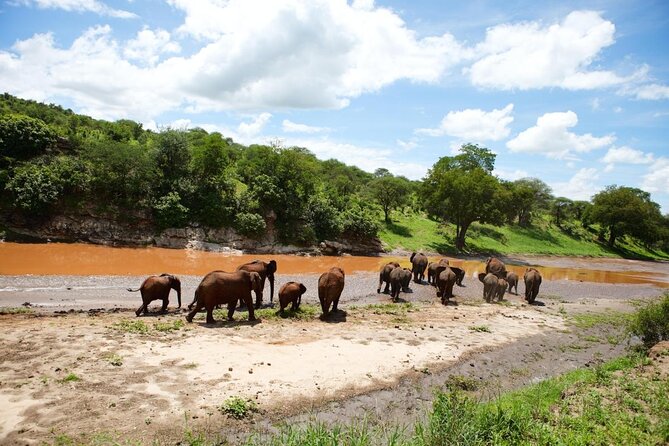
- A strong elephant day: Tarangire is especially good for large elephant herds, baobabs, swamps, and acacia woodland.
- Serengeti’s Seronera area: The central park zone has the Seronera River, which draws a broad range of wildlife.
- Camping is part of the value: Waterproof two-person tents, mosquito nets, camping equipment, and meals are included.
- Guides make the difference: Joseph, Pendael, Bakari, Erasto, Miraji, Waldo, and Mirage are among the guides associated with past departures, though your assigned guide can vary.
- The private label needs checking: The activity is presented as private, but some departures have involved shared vehicles or groups of up to 12 people.
Why this four-day route works
Northern Tanzania is not one single safari scene. Tarangire, Serengeti, and Ngorongoro sit in the same broad circuit, but each has its own character.
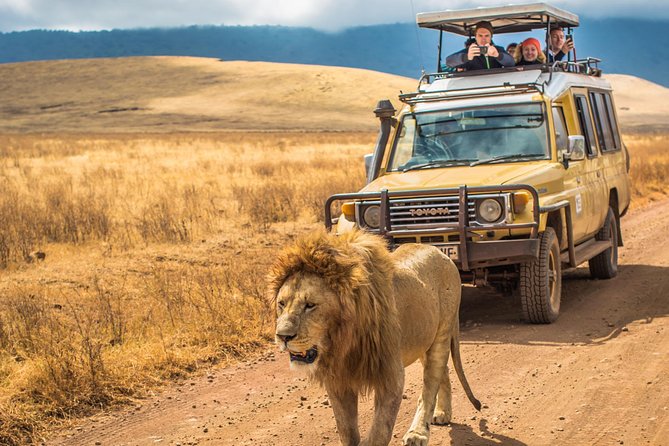
Tarangire is compact and wooded, with giant baobab trees and large swamp areas. Serengeti opens out into seemingly endless grassland. Ngorongoro is a contained wildlife basin with a permanent water supply and a high concentration of animals. By combining them, you get more than a checklist of parks. You see how animals use different habitats.
Four days is enough for a first safari if you accept early starts and long transfers. It is not enough for a leisurely stay in every park. You will spend meaningful time driving, especially on the route to Serengeti and back toward Arusha. That is the price of reaching the famous places on a short schedule.
The package includes three breakfasts, four lunches, and three dinners. All listed fees and taxes are included as well. Tips are not included, so plan to tip the guide and cook separately if their work meets your expectations.
More Serengeti Safaris in Arusha
- Balloon Safari & Bush Breakfast in Serengeti – Miracle Experience
★ 5.0 · 1,646 reviews - 3 Days Serengeti & Ngorongoro Group Camping Safari
★ 5.0 · 574 reviews - 5-Day Highlights mid-Range Crater, Serengeti, Tarangire
★ 5.0 · 296 reviews
Day one: elephants and baobabs in Tarangire
The first day begins with hotel pickup in Arusha and a drive to Tarangire National Park. The stated pickup time is 8:30 AM, followed by a full-day game drive and a picnic lunch.
Tarangire is a fine opening act because it offers wildlife without requiring the long push to the Serengeti. Its vegetation is mainly acacia woodland, with enormous baobab trees and wet areas in the south. During the dry season, the Tarangire River and swamps draw animals from surrounding areas.
This is the park where elephants are the main attraction. The area is known for some of the largest elephant herds in Africa, so you have a good chance of seeing family groups moving between feeding and watering areas. The wooded setting also gives the drive a different feel from the wide Serengeti plains.
Tarangire is home to several less common species, including greater kudu, fringe-eared oryx, and a few ashy starlings. No safari can promise a particular animal, but these species add a useful reason to pay attention beyond the famous five.
The picnic lunch is eaten during the park day, not at a restaurant. That keeps the schedule moving, but it also means you should be ready for a simple outdoor meal and a full day in the vehicle. The first day gives you an immediate wildlife experience, though the combination of driving and game viewing can feel tiring if you have just arrived in Tanzania.
Day two: crossing the highlands into the Serengeti
After breakfast, you drive through the high farmland around Karatu and the Ngorongoro Conservation Area before descending toward Serengeti National Park. This is one of the best scenic transitions on the route. The cultivated highlands give way to open country, and the scale of the view grows as you approach the park.
The destination is the Seronera area in central Serengeti. The Seronera River provides an important water source, so this part of the park attracts many kinds of wildlife. It is a sensible base for a short safari because you can look for predators, herbivores, and birds in one broad area rather than spending the entire afternoon reaching a distant corner.
You arrive in time for lunch, then take an afternoon game drive. That timing matters. You get your first proper Serengeti search on the same day, but you do not receive a full day in the park. The next morning adds another game drive before departure, which helps make up for the limited arrival afternoon.
The Serengeti is the best place on this itinerary to think big. The plains stretch toward the horizon, and animal sightings can feel widely spaced. At other moments, a river area or a recent sighting can bring several vehicles together. Your guide’s judgment matters here. Past departures have credited guides such as Pendael, Joseph, Bakari, and Erasto with spotting animals and explaining the surrounding plants and birds.
The Big Five are lion, leopard, rhinoceros, elephant, and African buffalo. You may see several of them, and some previous departures have reported seeing all five, but no responsible safari can guarantee that result. Leopards and rhinos are especially uncertain sightings. Go for the full setting and the chance to see them, not a promised scorecard.
Day three: one last Serengeti look, then Maasai country
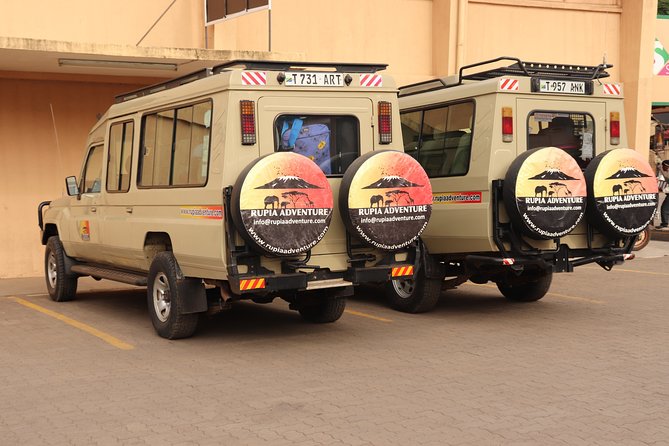
The day begins with an early breakfast and a final morning game drive in Serengeti. Early departures are useful because they give you one more chance to catch animals before leaving the central park area. They also make the day long, since you continue toward the Ngorongoro Conservation Area with a picnic lunch along the way.
Ngorongoro is not managed in the same way as a standard national park. The conservation area supports wildlife and local Maasai communities, including cattle grazing alongside indigenous animals. That shared use is one of the most important parts of the route because it shows that conservation here is tied to people, land use, and local authority, not just fences and wildlife viewing.
You should expect a transfer day with wildlife viewing along the way, rather than a full day inside one park. The drive gives you a chance to watch the scenery change from Serengeti plains toward the crater highlands, but the road time can be tiring.
Camping location is described as being at public campsites inside or outside the parks. The exact site matters because it affects how much driving you do at the start and end of each day. Ask for the planned campsite locations before departure, especially if you are sensitive to early starts or want a quieter night.
Same country, a completely different kind of safari:
- Tanzania Classic – 7 Days
★ 5.0 · 1,151 reviews - 4 Days Group Camping Safari
★ 5.0 · 1,101 reviews - 5 Days Group Camping Safari
★ 5.0 · 730 reviews - Materuni Waterfalls, coffee tour & Kikuletwa Hot Springs
★ 5.0 · 643 reviews
Day four: five hours on the crater floor
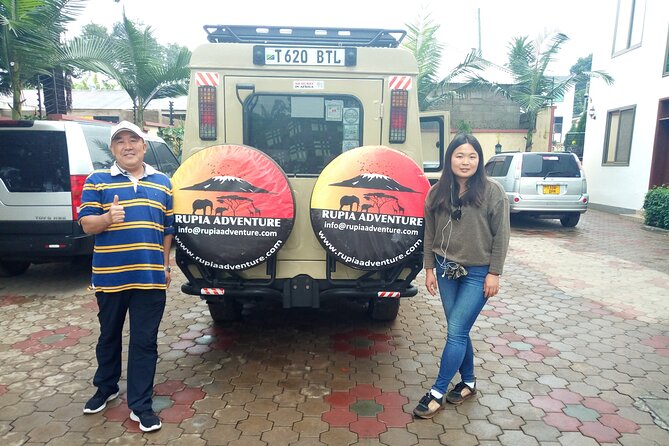
After breakfast, you descend into Ngorongoro Crater for about five hours of game driving. The crater is a dramatic setting: a broad enclosed basin with water and grazing areas that support an estimated 30,000 animals.
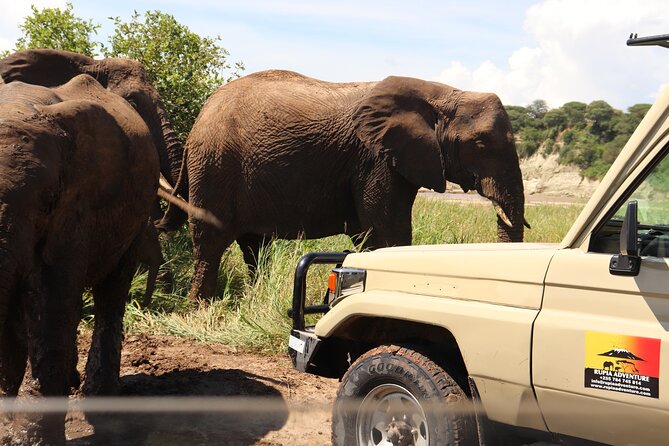
That concentration is what makes the crater so productive on a short visit. You might find wildebeest, zebra, buffalo, eland, warthog, hippo, and giant African elephants in the same general area. Predators include lions, hyenas, jackals, cheetahs, and the elusive leopard.
The crater is also one of the best places in Tanzania to hope for a black rhino sighting. The population is small, so this remains a matter of luck, but the crater provides habitat for some of Tanzania’s last remaining black rhinos.
You eat a picnic lunch on the crater floor before driving back to Arusha in the late afternoon. This final day has a clear advantage: five hours is enough time for a serious crater visit without adding another night to the trip. The disadvantage is the return drive afterward. If your hotel in Arusha is only a stopping point before another early activity, confirm the expected arrival time.
Camping, meals, and the practical side
The included accommodation uses waterproof two-person tents with mosquito nets. Camping equipment is included, and the description also refers to a small mattress setup. This is functional safari camping, not a lodge holiday.
I would choose this version if you want to spend more of your budget on park access and wildlife rather than rooms. It also suits you if you enjoy a straightforward outdoor trip and can handle basic facilities. If you want private bathrooms, fixed beds, or a more comfortable evening after long drives, ask about a lodge option. One past arrangement offered lodge accommodation for an added cost.
Meals are included throughout the four days: three breakfasts, four lunches, and three dinners. Lunch is generally a picnic on game-drive or transfer days. The cooking received repeated praise, with David named as a cook who prepared fresh, satisfying meals. Food quality can vary by crew, but having a dedicated cook is a real benefit on a camping safari.
Bring patience for dust, bumps, and changing road conditions. One account praised the fun despite very bumpy driving, while another described a vehicle that broke down repeatedly and criticized the logistics. That complaint is important, even though the overall rating is 4.9 from 28 ratings and 96 percent of recommenders approved the experience. Ask how the vehicle is maintained and what backup plan exists if it develops a problem.
How private is the safari?
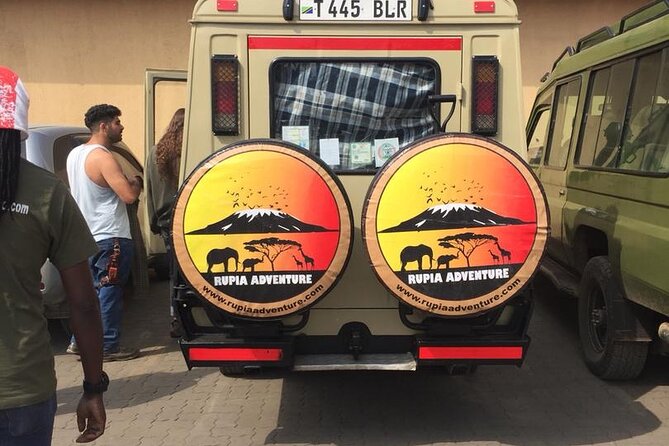
The activity is described as private, with only your group participating. That is appealing if you want to set the pace, ask many questions, or travel with family and friends.
Yet the operating details appear to vary. Some past arrangements involved a group of 12 in two safari vehicles, while another had one couple join another couple after the first park. This may reflect different booking types or changes made during individual trips, but you should not leave the point vague.
Before booking, get written confirmation on:
- The number of people in your vehicle
- Whether another party can join later
- The number of seats and window access
- The guide and cook assigned to your departure
- The exact camping or lodge plan
The guide is central to the experience. Past guide names include Joseph, Pendael, Bakari, Erasto, Miraji, Waldo, and Mirage. Joseph was praised for safe driving and persistent animal spotting, while Pendael was noted for explaining animals, birds, and trees. Miraji was also described as friendly and professional. These are useful signs, but the company may assign a different guide to you.
Is $1,500 per person a fair price?
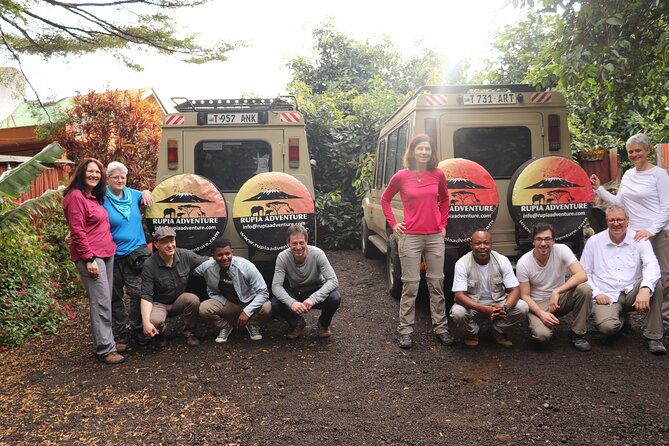
At $1,500 per person, this is not a cheap weekend outing. It covers four days, three major wildlife areas, park fees and taxes, camping equipment, accommodation, and all listed meals. For a private safari with a well-maintained vehicle and a genuinely exclusive group, that package can offer solid value.
The value weakens if the group is larger than expected or if vehicle problems cut into game-drive time. The long Serengeti transfer also means that not all four days are spent watching wildlife. You are paying for access to a large circuit, not four full days parked beside animals.
The camping format helps keep the cost below a comparable lodge safari. The company has also arranged lodge upgrades for an additional charge, so you have some flexibility if your priorities change. Since tips are excluded, add that to your trip budget.
I would compare the price against the exact inclusions, not just the headline number. Confirm the group size, vehicle condition, campsite locations, and any added charges before deciding.
Who will enjoy this safari most?
This trip suits a first-time safari visitor who wants the classic northern Tanzania route in a compact format. It is also a good fit for active couples, friends, and families who value wildlife and scenery more than hotel comfort.
You will likely enjoy it if you:
- Want to see Tarangire, Serengeti, and Ngorongoro in one trip
- Are happy with tent camping
- Can handle long drives and rough roads
- Like asking a guide about animals, plants, and birds
- Want meals and park fees bundled into one price
- Prefer a private booking, after confirming the group details
Think twice if you need a slow schedule, high-end accommodation, or guaranteed sightings of a particular animal. Four days moves quickly, and the final drive back to Arusha follows a demanding crater day.
Should you book it?
I would book this safari if your priority is seeing the best-known northern Tanzania parks on a practical camping budget. The route is well chosen, the crater visit is substantial, and Tarangire adds elephants and baobabs before the Serengeti scale takes over.
I would book only after clarifying the pickup time, private versus shared arrangements, campsite locations, and vehicle condition. Those details will shape your comfort more than the park names do. If the answers are clear and you are comfortable with basic camping, this is a strong four-day introduction to Tanzania’s wildlife.
FAQ
Where does the safari start?
The experience is based in Arusha, Tanzania, and hotel pickup is offered. The itinerary gives an 8:30 AM pickup time, while the meeting information lists 12:30 AM, so confirm the correct local pickup time before the trip.
How long does the safari last?
The safari lasts approximately four days. It begins with Tarangire National Park and ends with a late-afternoon drive back to Arusha after the Ngorongoro Crater visit.
Which parks and conservation areas are included?
The route includes Tarangire National Park, Serengeti National Park, the Ngorongoro Conservation Area, and Ngorongoro Crater.
Is the safari private?
It is described as a private activity for your group only. However, group arrangements have varied on past departures, so confirm whether your vehicle will remain exclusive and how many people will travel with you.
What accommodation is provided?
The camping option uses waterproof two-person tents with mosquito nets. Camping equipment is included, and public campsites may be located inside or outside the parks.
Are meals included?
Yes. The package includes three breakfasts, four lunches, and three dinners. Tips are not included.
How much time is spent in Ngorongoro Crater?
The fourth day includes about five hours of game driving inside the crater, followed by a picnic lunch on the crater floor and the drive back to Arusha.
Can I cancel for a full refund?
You can receive a full refund if you cancel at least three full days before the experience start time. Cancellations or changes made less than three full days in advance are not refunded or accepted, and the local start time controls the cutoff.
More Tarangire National Park Safaris in Arusha
- Private 6-Day Tarangire Manyara Crater and Serengeti with Mid-Range Lodges
★ 5.0 · 238 reviews - 4 Days Tarangire Serengeti Ngorongoro Crater
★ 5.0 · 117 reviews - 3 Days Tarangire, Ngorongoro & Lake Manyara Group Camping Safari
★ 5.0 · 102 reviews - Tarangire Day Tour
★ 5.0 · 95 reviews
More Ngorongoro Crater Tours in Arusha
- 5 Days Camping Tarangire, Serengeti & Ngorongoro crater & Visiting Maasai
★ 5.0 · 229 reviews - 4 Days Join Group tour Tarangire Serengeti and Ngorongoro crater
★ 5.0 · 219 reviews - 4-Day Safari from Arusha: Tarangire, Serengeti and Ngorongoro
★ 5.0 · 173 reviews - 2 Days Tarangire and Ngorongoro Group Camping Safari
★ 5.0 · 146 reviews
Just added around Arusha
- 8 Days Serengeti Migration safari★ 5.0 · 11 reviews
- tarangire, ngorongoro & lake manyara park 3 days private tour★ 5.0 · 11 reviews
- tarangire & ngorongoro 2 days tour★ 5.0 · 14 reviews
- Mt. Kilimanjaro: Shira plateau to Cathedral point 3872m Day hike★ 5.0 · 7 reviews
- serengeti, ngorongoro & tarangire 4 days private tour★ 5.0 · 18 reviews
- serengeti & ngorongoro 3 days private tour★ 5.0 · 15 reviews
- 2 Days Tanzania Midrange Group Join Safari★ 5.0 · 7 reviews
- climb the KILIMANJARO via Lemosho route★ 5.0 · 4 reviews
Serengeti Safaris, compared.

Serengeti Balloon Safari and authentic bush breakfast
Read our review →
3 Days Serengeti & Ngorongoro Group Camping Safari
Read our review →
5-Day Highlights mid-Range Crater, Serengeti, Tarangire
Read our review →


Private 6-Day Tarangire Manyara Crater and Serengeti with Mid-Range Lodges
Read our review →
5 Days Camping Tarangire, Serengeti & Ngorongoro crater & Visiting Maasai
Read our review →
4 Days Join Group tour Tarangire Serengeti and Ngorongoro crater
Read our review →Browse the lists this tour appears in