
Reviewed · KILIMANJARO COFFEE FARM TOURS
Organic Coffee Tour and Local Food Experience in Arusha
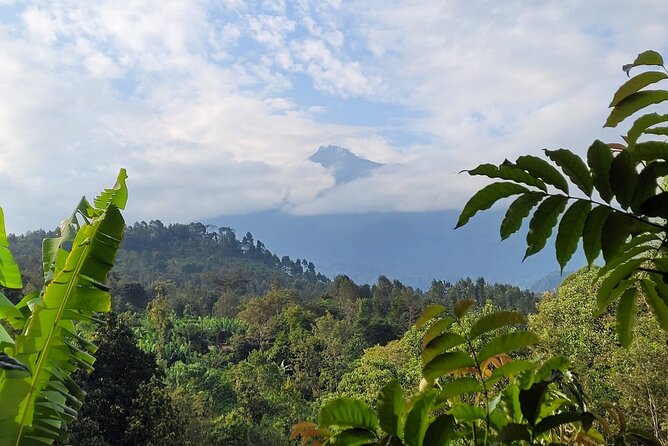
Coffee here is not served as a quick cup before sightseeing. You pick the berries, roast the beans, and prepare the coffee yourself, then drink it in a treehouse near Mount Meru. The setting is a small family farm in Ambureni village, where coffee plants grow beside bananas and jungle greenery.
I like the direct contact with local farming and the meal cooked over firewood and charcoal in clay pots. I also like that this is a private half-day visit, so your group can set its own pace and ask questions without being folded into a large crowd. The main drawback is transport: pickup is not included, and the stated private-transfer fee appears as both $40 and $50 in the tour details, so confirm the exact cost before booking.
Key points to know before you go
- Coffee from berry to cup: Pick beans, learn the production steps, roast them, and make your own drink.
- A family farm near Mount Meru: The visit takes place in Ambureni village, at a local property with coffee plants, bananas, and natural views.
- Food cooked the traditional way: Local mamas prepare Tanzanian dishes over firewood and charcoal, using clay pots made through pottery.
- Treehouse coffee stop: Your final cup is served in a treehouse, giving the tasting a memorable setting.
- A three-hour private outing: The activity starts at 1 p.m. on any day, and only your group takes part.
- Watch the transport cost: The meeting point is in Nkoanrua, and private pickup and drop-off cost extra.
A coffee lesson with dirt under your fingernails
The appeal of this Arusha coffee tour is its simple order of events. You begin at a working local farm, not a polished tasting room, and see coffee as an agricultural product before it reaches a grinder or breakfast table.
The farm sits in Ambureni village near Mount Meru. The property is described as a small garden of coffee trees and bananas, surrounded by calm natural scenery. That matters because this is not a broad plantation tour with rows stretching to the horizon. It is a closer look at coffee growing within a family setting.
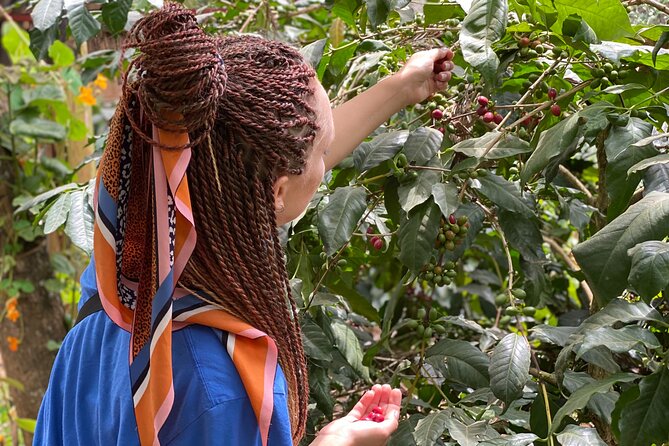
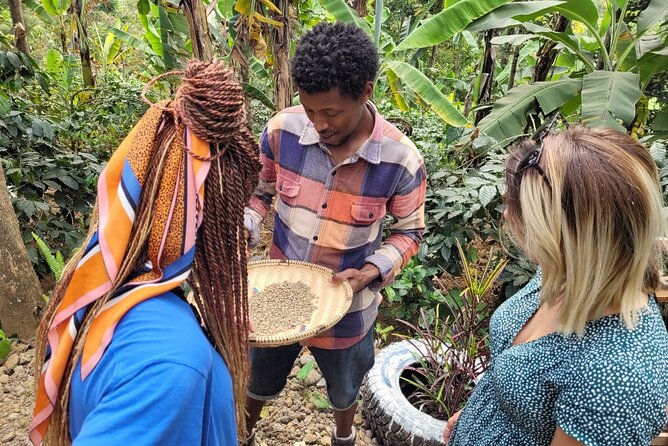
You’ll walk among the coffee plants and handpick coffee berries with the farmers. Your guide explains the production process and takes you through the work needed to turn dried beans into a drink. The pace is practical: look at the plants, handle the beans, and follow the stages rather than simply listening to a talk.
Cosmas is one guide associated with this experience, and one especially strong account praises his work during the coffee and food visit. Guide assignments can change, so treat Cosmas as a useful name to know, not a guarantee. The important point is that the activity is built around a local host who explains both coffee and village traditions.
More Kilimanjaro Coffee Farm Tours in Arusha
- Materuni Waterfalls, coffee tour & Kikuletwa Hot Springs
★ 5.0 · 643 reviews - Materuni waterfalls coffee tour & Chemka hot springs Day trip
★ 5.0 · 131 reviews - Maasai village visit, Materuni waterfalls & coffee experience
★ 4.5 · 95 reviews
From coffee berry to your own cup
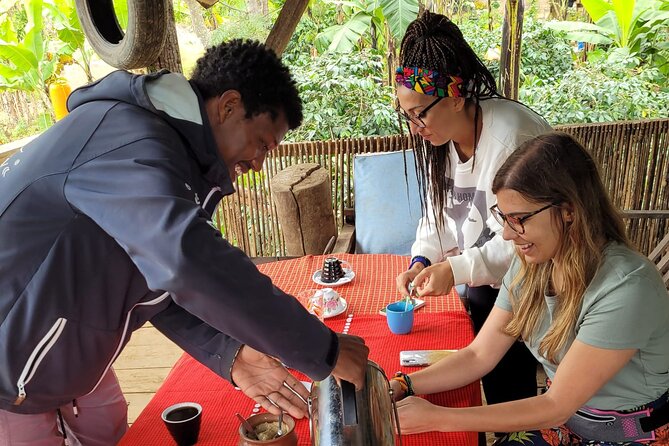
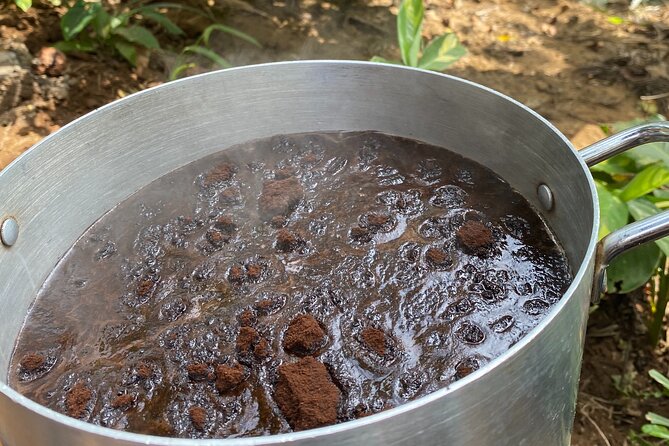
The coffee-making section is the heart of the tour. You pick the berries, see the beans prepared, and take part in roasting before making a cup for yourself. The details of each processing stage are not set out minute by minute, so you should expect a hands-on demonstration rather than a technical coffee-school course.
That distinction helps set the right expectations. If you already know a great deal about specialty coffee, the lesson may feel basic. If you want to understand how coffee moves from a plant to a drink, the order makes sense and gives the process a human scale.
You’ll taste coffee prepared by the farm team, along with the cup you make. Coffee and tea are included, and the tour presents the drink as both a product and a social ritual. In Tanzania, coffee production has an important place in local farming and the economy, and the visit connects that wider role to one family’s property.
The final tasting takes place in a treehouse. This is a particularly good touch. After working through the coffee process, you can sit with the finished drink and look out over the surrounding African nature. The treehouse also gives the tour a clear ending instead of leaving the coffee lesson hanging after the roasting.
Lunch cooked by local mamas
The full coffee and local food experience includes lunch. Local mamas prepare a range of traditional Tanzanian dishes over a bonfire, using firewood and charcoal. The food is cooked in clay pots made through pottery, which gives the meal a strong connection to household cooking and local craft.
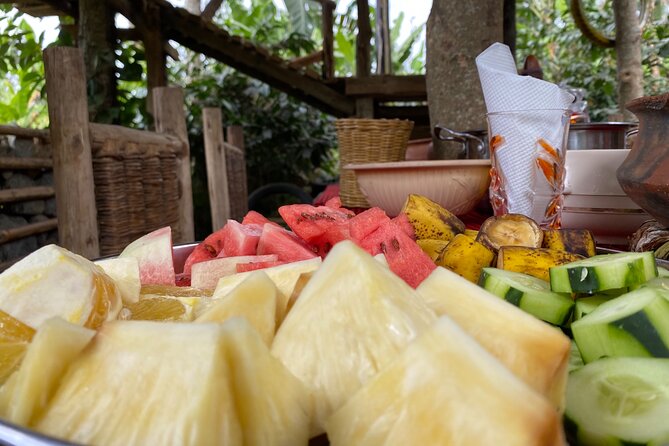
The exact menu is not fixed in the information provided, so do not book expecting one named dish. Instead, think of it as a tasting of several local foods. You may also receive handmade snacks such as peanut brittle, biscuits, and popcorn.
I like this part because the meal is not treated as an afterthought. Food gives you another way to understand daily life in the area, particularly the time and tools involved in cooking. Clay pots, charcoal, and open-fire preparation tell you more than a restaurant menu can.
There is also a practical point here. The tour begins at 1 p.m. and lasts about three hours, so the meal functions as a late lunch or substantial afternoon spread. If you have a strict dinner plan in Arusha, allow for the activity to run close to its stated duration. You may want a light meal earlier in the day, especially if you prefer not to wait until the afternoon for proper food.
Mount Meru views, birds, and blue monkeys
The natural setting adds much of the atmosphere. The farm is described as being among serene jungle, with views of African nature around the property. You may spot blue monkeys and different bird species in their natural habitat, but sightings are not guaranteed.
That wording matters. This is not a dedicated wildlife drive, and the main purpose is coffee and food. Bring your interest in nature, but do not choose this tour as a substitute for a safari or a formal birding trip.
The setting should appeal to you if you want a quieter outing away from Arusha’s streets. You get a look at a village near Mount Meru and spend time at a private family property rather than moving from one major attraction to another. The natural surroundings also make the coffee tasting feel less hurried.
The tour suits photographers and curious eaters, although the supplied details do not promise special photography equipment or a set wildlife walk. A phone or small camera should be enough for the views, farm plants, food, and treehouse, provided you respect the family’s property and ask before photographing people.
Same country, a completely different kind of safari:
- Balloon Safari & Bush Breakfast in Serengeti – Miracle Experience
★ 5.0 · 1,646 reviews - Tanzania Classic – 7 Days
★ 5.0 · 1,151 reviews - 4 Days Group Camping Safari
★ 5.0 · 1,101 reviews - 5 Days Group Camping Safari
★ 5.0 · 730 reviews
What the three hours probably feel like
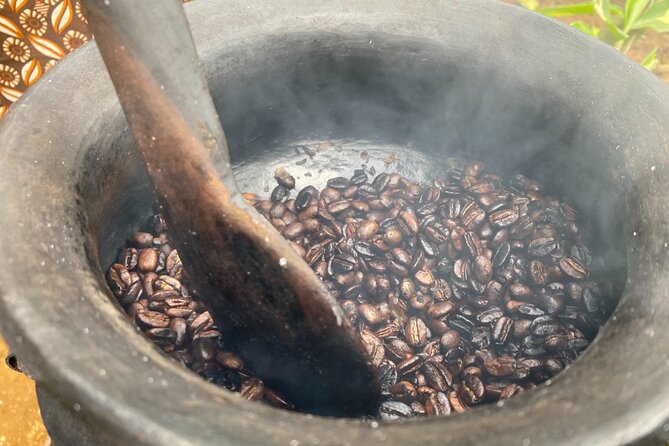
The advertised duration is about three hours. The activity starts at 1 p.m. on any day of the week, giving you a useful afternoon option between morning sightseeing and an evening meal.
The sequence is likely to feel like this:
- Arrival at the farm and an introduction to coffee growing in Tanzania
- A walk through the coffee plants and banana garden
- Handpicking coffee berries with the farmers
- Processing and roasting the beans
- Handmade snacks such as biscuits, peanut brittle, or popcorn
- Traditional food cooked in clay pots over firewood or charcoal
- Your own coffee, finished and served in the treehouse
The precise order may vary, particularly around the cooking and coffee preparation. The experience is private, so your group is not sharing the activity with unrelated participants. That gives the host room to explain a step again, answer questions, or let you spend a little longer with the food or coffee.
A private tour does not mean luxury. The setting is a local home and farm, and the strongest part of the visit is its ordinary, working character. If you need polished facilities, a rigid timetable, or a formal tasting format, this may not be your best choice.
Transport is the detail to settle first
The meeting point is listed as JQM2+5J5, Nkoanrua, Tanzania, and the activity ends back there. Pickup is offered, but private transportation is not included in the $45 per-person price.
The transfer information gives two different figures: one part says private transfer can be arranged for an additional $40, while another says private pickup and drop-off cost $50. The fee may also depend on your location. Confirm the current amount, the pickup area, and whether the price covers both directions before you commit.
This is the tour’s clearest value issue. At $45 per person, the coffee lesson, food, snacks, private format, and treehouse setting make the price reasonable if you can reach the meeting point easily. For one person or a couple staying far from Nkoanrua, adding private transport changes the calculation.
Do not assume that pickup comes with the advertised price simply because pickup is offered. It does not. A clear message to Furahia Cultural Tourism before the day of the tour can prevent an awkward surprise.
Who will get the most from this farm visit
I would choose this outing if you want contact with local life and prefer making something to merely looking at it. You take part in the coffee work, eat food prepared in a traditional way, and spend time with a local family near Mount Meru.
It is a good fit for:
- Coffee drinkers who want to understand the production process
- Couples and families seeking a private activity
- People with an afternoon free in Arusha
- Visitors interested in Tanzanian food and farming
- Anyone who values local hosting over a polished commercial attraction
- Those who can arrange their own way to Nkoanrua or accept the extra transfer cost
It may be less suitable if you want a large commercial plantation, a specialist coffee certification lesson, or a wildlife-focused outing. The coffee garden is small, and blue monkey or bird sightings are only possible extras.
Most participants can take part, and service animals are allowed. The tour requires good weather. If poor weather cancels the activity, you are offered another date or a full refund.
How good is the $45 value?
The base price is $45 per person. That includes coffee or tea, handmade snacks, and lunch if you book the full organic coffee and local food experience. It also covers the private activity and the guided farm visit.
The price feels fair because the day combines several separate elements: a coffee lesson, farm access, hands-on preparation, a local meal, snacks, and a scenic finishing point. You are not paying only for a cup of coffee. You are paying for time with the people who grow, prepare, and cook.
Still, value depends on transport. Add the private transfer fee and the total becomes noticeably higher. The tour provider also says tips are not included, so carry some extra cash if you want to thank the host or guide.
The high overall score of 4.9 from 29 ratings, with 97 percent recommending the activity, matches the tour’s strongest features: coffee made from start to finish, a generous meal, the treehouse, and personal hosting. One low rating focused on the transfer charge and felt the lesson was expensive for the small farm. That criticism is useful. Read the price as a farm visit and cultural meal, not as a major plantation tour.
Booking, cancellation, and practical planning
Confirmation is received at the time of booking. Free cancellation is available if you cancel at least 24 hours before the local start time. Cancellations or changes within 24 hours are not refunded or accepted.
Because weather can affect the visit, leave some flexibility in your Arusha schedule if possible. The farm setting, open-fire cooking, and natural paths are central to the activity, so poor weather can make the experience impractical.
Ask about the transfer fee before booking, especially since the details show both $40 and $50. Also confirm that you are booking the full version with local food if lunch is important to you. The included-lunch note applies to the full organic coffee tour and local food experience.
Should you book the Ambureni coffee tour?
Yes, if you want an easygoing, hands-on look at Tanzanian farm life. The best reason to book is the complete chain from coffee berry to cup, followed by a traditional meal and a final drink in the treehouse. The combination feels personal and specific to the Arusha area.
Book with care if transport is not settled. The base fare is clear, but the private-transfer amount is not fully consistent in the supplied details. If you can reach Nkoanrua without a costly add-on, this is a stronger value.
I would especially recommend it for a first visit to Arusha when you want more than a standard city stop. You’ll learn a little about coffee, eat food prepared by local mamas, and spend an afternoon in a family setting near Mount Meru. Just keep your expectations grounded: this is a small working farm, not a grand plantation or wildlife excursion.
FAQ
How long does the Organic Coffee Tour and Local Food Experience last?
The tour lasts approximately three hours.
What time does the tour start?
It is available any day of the week from 1 p.m.
Where does the tour begin?
The listed meeting point is JQM2+5J5 in Nkoanrua, Tanzania. The activity ends back at the meeting point.
Is transportation included in the $45 price?
No. Private transportation is not included. The details mention an additional private-transfer charge of $40 in one place and $50 in another, so confirm the current price with the provider.
What food is included?
The full tour includes lunch with different local foods cooked over firewood and charcoal in clay pots. Handmade snacks can include peanut brittle, biscuits, and popcorn.
Will I make my own coffee?
Yes. You can pick coffee berries, learn the preparation and roasting process, and make a cup to taste. The final coffee is enjoyed in the treehouse.
Is this a private tour?
Yes. Only your group participates in the activity.
What is the cancellation policy?
You can cancel at least 24 hours before the start time for a full refund. Cancellations and changes made within 24 hours are not accepted or refunded. If poor weather cancels the tour, you’ll be offered another date or a full refund.
More Dining Experiences in Arusha
- Zanzibar: Jozani Forest, Salaam Cave & The Rock Restaurant
★ 4.2 · 77 reviews - From Zanzibar: Starfish, Blue Lagoon, & The Rock Restaurant
★ 4.5 · 68 reviews - Jozani Forest, Kuza Cave, Paje Beach and The Rock Restaurant
★ 4.5 · 50 reviews - Zanzibar: Rock Restaurant and Cave Tour Visit
★ 4.5 · 50 reviews
More Coffee Experiences in Arusha
- Materuni Waterfalls & Coffee Tour from Moshi
★ 5.0 · 92 reviews - Arusha: Materuni Waterfalls, Coffee, and Hotsprings Tour
★ 4.8 · 78 reviews - Coffee tour and Buffet Lunch with Kingstone Asilia (Arusha)
★ 5.0 · 74 reviews - Materuni waterfalls,coffee tour & Kikuletwa(Chemka)Hot Springs
★ 5.0 · 49 reviews
Just added around Arusha
- 8 Days Serengeti Migration safari★ 5.0 · 11 reviews
- tarangire, ngorongoro & lake manyara park 3 days private tour★ 5.0 · 11 reviews
- tarangire & ngorongoro 2 days tour★ 5.0 · 14 reviews
- serengeti & ngorongoro 3 days private tour★ 5.0 · 15 reviews
- Mt. Kilimanjaro: Shira plateau to Cathedral point 3872m Day hike★ 5.0 · 7 reviews
- serengeti, ngorongoro & tarangire 4 days private tour★ 5.0 · 18 reviews
- 2 Days Tanzania Midrange Group Join Safari★ 5.0 · 7 reviews
- climb the KILIMANJARO via Lemosho route★ 5.0 · 4 reviews
Kilimanjaro Coffee Farm Tours, compared.
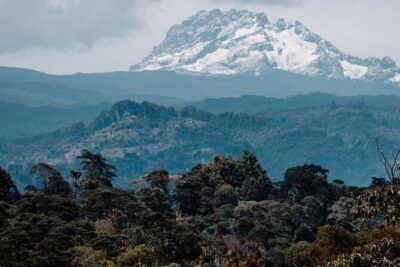
Materuni Waterfalls, coffee tour & Kikuletwa Hot Springs
Read our review →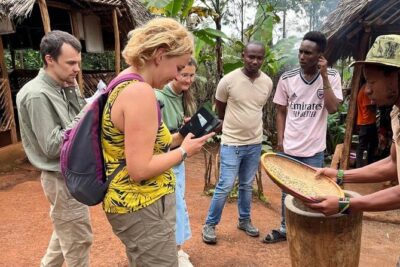
Materuni waterfalls coffee tour & Chemka hot springs Day trip
Read our review →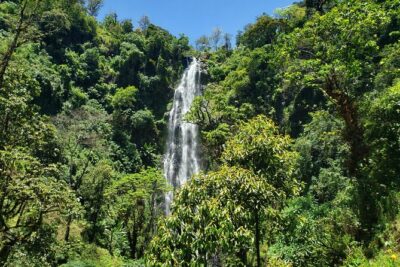
Materuni Waterfall, Coffee Tour and Picnic Hot Lunch
Read our review →
Maasai village visit, Materuni waterfalls & coffee experience
Read our review →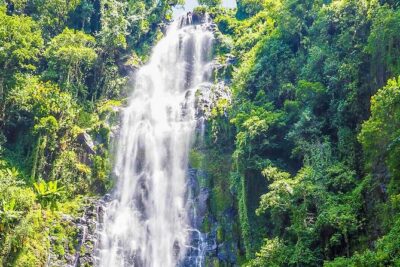
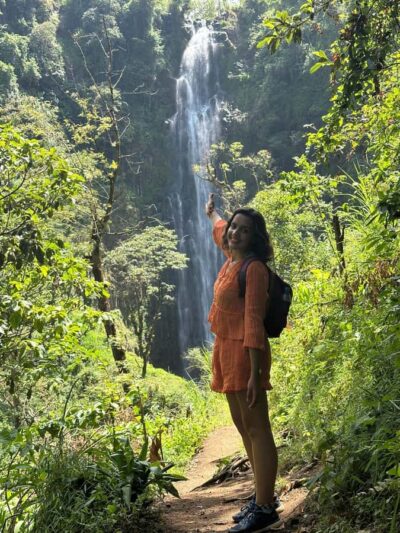
Arusha or Moshi : Hot Spring, Waterfall & Coffee Farm Tour
Read our review →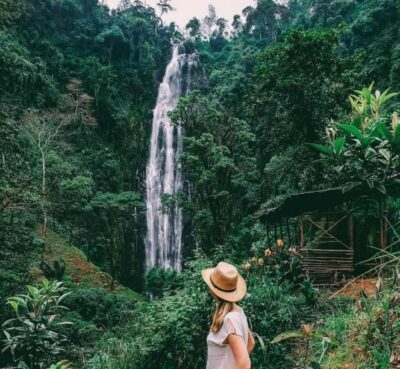
Materuni Waterfalls, Coffee, and Hotsprings Tour
Read our review →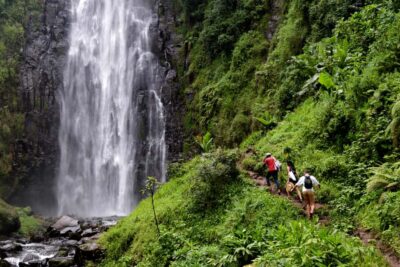
Materuni Waterfalls, Chemka Hot Springs, &/Or Coffee Tour
Read our review →Browse the lists this tour appears in