
Reviewed · KILIMANJARO COFFEE FARM TOURS
Private Meru Coffee Tour in Nkoaranga
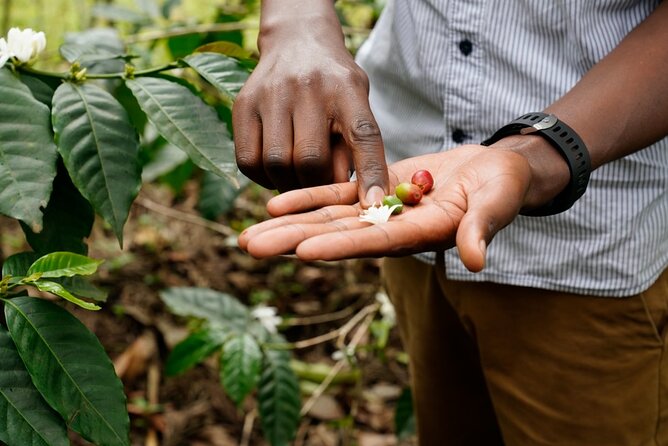
The best part of this private Meru coffee tour is that you do not simply watch a plantation demonstration. You pick red coffee berries, process them with traditional methods, grind and roast the beans, then drink the cup made from your own work. It is a compact, hands-on look at coffee in the foothills of Mount Meru.
I like two things especially. First, Reuben and Rachel connect the coffee to Meru traditions, local plants, and daily life. Second, your $35 fee supports The Small Things and its work with orphaned and vulnerable children and families. The main consideration is physical: you need to walk on uneven ground and climb several flights of stairs, and the coffee harvest can vary by season.
Key points to know before booking
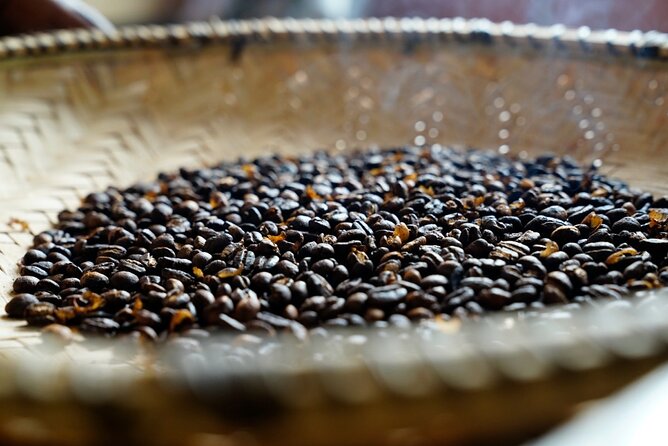
- Pick and process the berries yourself: The tour follows coffee from the bush through traditional processing, grinding, roasting, and brewing.
- Meet local guides Reuben and Rachel: Reuben can also help arrange pickup and drop-off if you do not have a car.
- Learn Meru coffee customs: The guide explains how coffee became an important crop in the area, along with information about local plants and Meru culture.
- Support The Small Things: Your visit helps fund work with vulnerable children and families, including the Happy Family Children Village.
- Allow two to three hours: The main coffee activity is listed at about two hours, with the full visit generally taking up to three hours.
- Expect a private visit: Only your group participates, and group discounts may be available.
Coffee begins in the foothills of Mount Meru
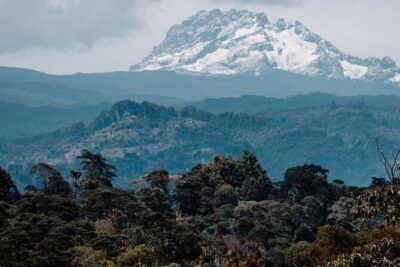
Nkoaranga sits in the Arusha area, near Mount Meru, where volcanic soil provides a fitting setting for a coffee lesson. The tour begins among coffee bushes planted in this soil, with the simple task of finding and harvesting fresh red berries.
That first step matters. Coffee is often presented as a finished drink, but here you see the fruit before it becomes a bean. You can handle the berries, notice their color, and understand that coffee production starts with careful picking rather than with a machine or a café grinder.
The exact amount of ripe coffee may depend on the season. The description promises fresh red berries, but you should not expect a massive commercial plantation or a full industrial tour. This is a smaller, personal visit focused on participation and local practice.
The coffee grown here includes Tanzanian peaberry beans, described as prized for their flavor. The tour gives you a useful chance to connect that reputation with the plant itself, rather than treating coffee as just a souvenir in a bag.
More Kilimanjaro Coffee Farm Tours in Arusha
- Materuni Waterfalls, coffee tour & Kikuletwa Hot Springs
★ 5.0 · 643 reviews - Materuni waterfalls coffee tour & Chemka hot springs Day trip
★ 5.0 · 131 reviews - Maasai village visit, Materuni waterfalls & coffee experience
★ 4.5 · 95 reviews
From red berry to usable bean
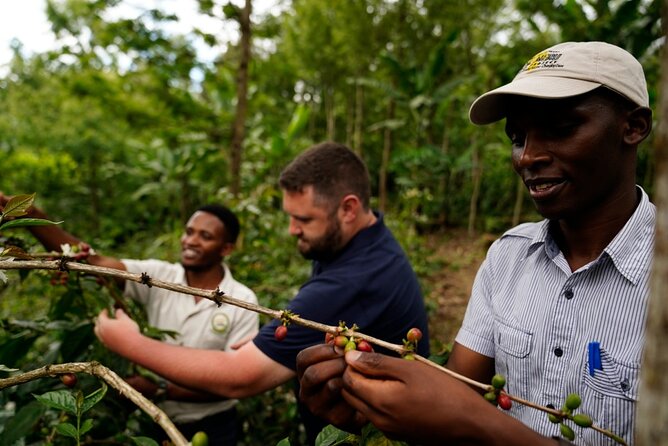
After harvesting, you help process the coffee. The work uses traditional methods, and the point is not simply to demonstrate each stage quickly. You get involved in the process and see how much effort comes before the drink reaches your cup.
Grinding and roasting are especially important parts of the visit. These steps received the strongest praise from the experience, and they are also where the activity becomes most memorable. You are not only hearing about coffee production. You are helping change the beans through heat and manual work.
Traditional roasting can also make the timing less predictable than a standard museum stop. The tour lasts about two to three hours, but the process may feel relaxed rather than tightly timed. If you have a safari departure or another appointment immediately afterward, leave a generous gap.
The hands-on format suits people who enjoy learning by doing. Children and adults can both find something to focus on, although the physical setting may not suit anyone who has difficulty with steps or rough paths.
Meru traditions give the coffee its meaning
Coffee is not treated as an isolated farm product. Reuben explains how it became a staple crop in the Meru area and places the drink within local traditions. He also shares information about the plants around you and his own Meru background.
That cultural detail is one of the reasons I would choose this visit over a standard tasting. You learn not only how beans are roasted, but why coffee matters in this particular part of Tanzania. The lesson remains informal and personal, rather than becoming a long academic talk.
A private booking helps here. Since only your group takes part, you can ask questions at your own pace and spend more time on the stages that interest you most. You are not trying to hear a guide over a large crowd or waiting for several other groups to finish.
The tradeoff is that a private tour depends more on the guide and the day’s conditions. Reuben has been praised for explaining both coffee and local culture, and Rachel also leads the activity. Still, this is a community-based visit, not a polished factory attraction with a large staff and fixed production line.
The final reward is a cup you helped make
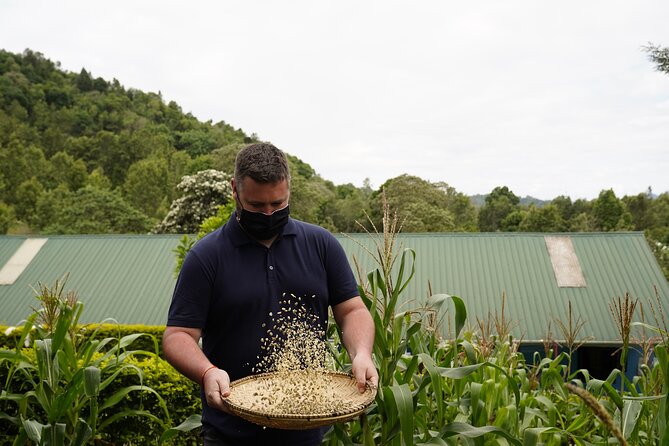
Once the beans have been processed, ground, and roasted, you brew and taste the coffee. This final cup gives the earlier work a clear purpose. You can compare the finished drink with the raw berries you handled at the beginning.
Coffee and tea are included, along with bottled water and snacks. That makes the short tour easier to fit into a morning or afternoon, though lunch is not part of the standard package. Lunch can be provided if you select that option, so check the booking choice carefully if you want more than a light snack.
The tasting is likely to appeal most to people who care about the process as much as the flavor. If you only want a quick coffee stop, the picking, roasting, and brewing may feel longer than necessary. If you enjoy knowing how food and drink are made, the sequence gives the visit real substance.
You can also buy freshly roasted coffee to take home or give as a gift. This is a practical souvenir because it connects directly to the place you visited, and buying it gives you a way to continue supporting the local project after the tour.
Same country, a completely different kind of safari:
- Balloon Safari & Bush Breakfast in Serengeti – Miracle Experience
★ 5.0 · 1,646 reviews - Tanzania Classic – 7 Days
★ 5.0 · 1,151 reviews - 4 Days Group Camping Safari
★ 5.0 · 1,101 reviews - 5 Days Group Camping Safari
★ 5.0 · 730 reviews
The Small Things links coffee with community work
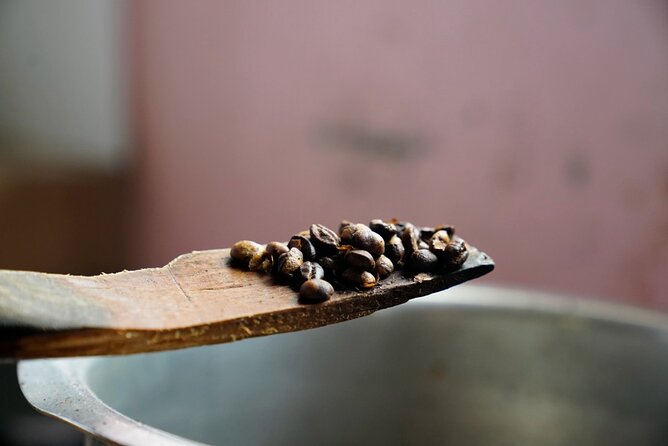
The tour is operated by The Small Things, an organization that supports orphaned and vulnerable children and families in the Meru region. Your booking contributes to that work, which gives the activity a wider purpose beyond a farm visit.
You may also have the chance to meet children living at the Happy Family Children Village, a project connected with The Small Things. The supplied details do not set out a guaranteed meeting as a separate part of every itinerary, so treat this as a possible addition rather than the main reason to book.
I appreciate that the social purpose is tied to an activity with its own value. You are not being asked to make a donation in exchange for a short photo opportunity. You are paying for a real coffee lesson, and part of that payment supports children and families in the area.
Keep the focus respectful. The coffee production is the main experience, while the organization’s work provides important context. A good visit should leave you with a better understanding of both the crop and the local project, not the feeling that children are being presented as an attraction.
Why $35 can be good value
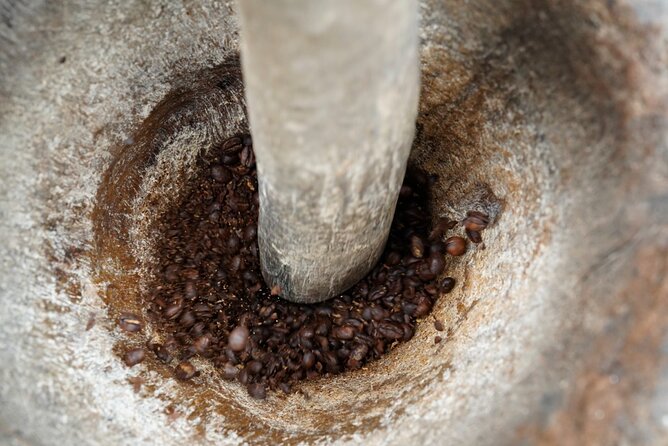
At $35 per person, this tour sits at a reasonable price for a private activity lasting roughly two to three hours. You receive a guide, coffee or tea, snacks, bottled water, a full production demonstration with your participation, and a tasting at the end.
The private format is the key value point. If you are traveling as a couple, family, or small group, you avoid joining strangers and can ask questions freely. Group discounts may make the price more attractive for a larger party, though the exact discount is not provided.
The fee also supports The Small Things, which adds social value that a basic plantation tasting may not offer. I would not choose it solely because of that mission, but it strengthens the case when the coffee activity already matches your interests.
Transportation is not listed as a standard inclusion. However, Reuben has arranged pickup and drop-off for people without a car, so you can ask about transport when booking rather than assuming it is included. That detail may affect the total cost and the ease of reaching Nkoaranga from Arusha.
Timing, access, and what to bring
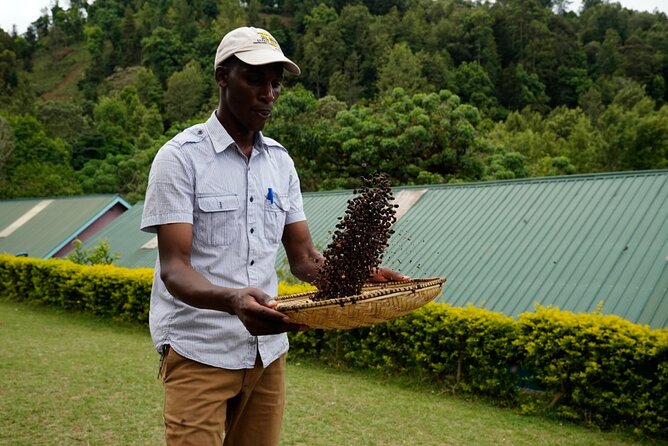
The coffee activity itself is listed at two hours, while the overall experience is described as two to three hours. Plan for the longer estimate, especially if you want time for questions, tasting, buying roasted coffee, or learning about the community work.
You need to walk on uneven ground and climb several flights of stairs. Wear shoes that are secure and comfortable, and avoid treating this as a purely seated tasting. The tour may suit most people, but it is not the right choice if steps or rough paths are a serious problem.
Service animals are allowed, and most people can participate. Since the tour requires good weather, a storm or other poor conditions can lead to a new date or a full refund.
Bring an interest in coffee, a little patience, and room in your schedule. You do not need to know anything about roasting before you arrive. The value comes from taking part and asking questions, not from showing up with specialist knowledge.
Who will enjoy this private Nkoaranga visit
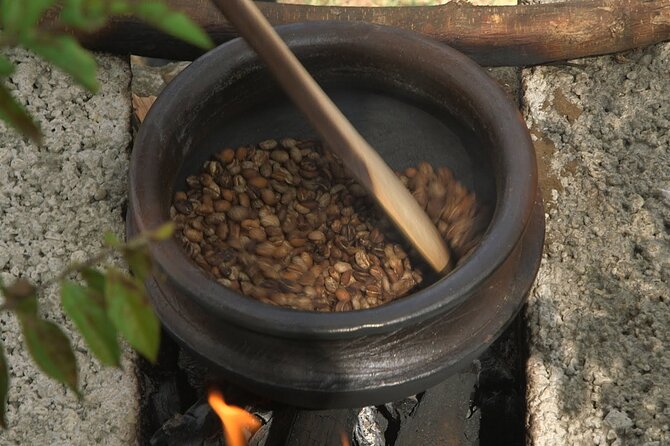
I would recommend the tour to coffee drinkers who want more than a tasting. It also suits people looking for a smaller cultural activity around Arusha, especially if they want contact with a local organization rather than a large commercial attraction.
Families may enjoy the hands-on stages, though parents should consider the stairs and uneven ground. Couples and small groups can make good use of the private format, particularly if they want to set their own pace.
The experience also works well for anyone interested in responsible tourism. You can learn a practical skill, buy locally roasted coffee, and support an organization working with vulnerable children and families. That is a more meaningful souvenir than another hurried stop at a shop.
I would think twice if your schedule is packed, you dislike physical activity, or you expect a large plantation with rows of crops and industrial equipment. The tour is personal and traditional. Its appeal is the connection between people, place, coffee, and community, not scale.
Booking and cancellation advice
Confirmation is provided when you book, and the tour is available as a mobile ticket. Free cancellation applies if you cancel at least 24 hours before the local start time, giving you some flexibility while planning your Arusha days.
Cancellations or changes made less than 24 hours before the start are not accepted for a refund. Since bad weather can affect the activity, keep some flexibility in your schedule if possible. If the provider cancels because of weather, you can choose another date or receive a full refund.
Ask about pickup, lunch, and any group discount before finalizing your plans. Those items can change the practical value of the $35 price, especially if you need transport from Arusha or want a larger meal.
Should you book the Meru coffee tour?
Book it if you want to work with the coffee yourself, learn about Meru traditions, and support The Small Things at the same time. Reuben and Rachel give the experience a personal face, and the chance to roast, grind, and brew your own cup is more engaging than simply touring a farm.
The strongest reasons to go are the private setting, the traditional production process, and the link to the Happy Family Children Village and wider community work. Ask about transportation if you do not have a car, and allow three hours rather than trying to squeeze it between tight plans.
Skip it if you want a quick, polished tasting or cannot manage stairs and uneven ground. For everyone else, this is a fairly priced, useful stop near Arusha that turns an everyday drink into a lesson in Meru culture and local enterprise.
FAQ
How long does the Private Meru Coffee Tour take?
The experience lasts about two to three hours. The main coffee activity is listed at two hours, but you should allow up to three hours for the full visit.
How much does the tour cost?
The listed price is $35 per person. Group discounts may be available, but the exact discount is not specified.
Is this a private tour?
Yes. Only your group participates in the activity.
Who leads the coffee tour?
The guides named for this experience are Reuben and Rachel. Reuben can also arrange transportation for you if you do not have a car, but transportation is not listed as a standard inclusion.
What will I do during the coffee experience?
You will harvest red coffee berries, process them using traditional methods, grind and roast the beans, and brew a cup of coffee. You will also learn about Meru coffee traditions and how coffee became a staple crop in the region.
Are food and drinks included?
Snacks, coffee or tea, and bottled water are included. Lunch is not included unless you select the option that provides it.
Can I buy coffee to take home?
Yes. Freshly roasted coffee is available to take home or give as a gift.
Is the tour suitable for everyone?
Most people can participate, and service animals are allowed. You must be able to walk on uneven ground and climb several flights of stairs. The activity also requires good weather.
More Coffee Experiences in Arusha
- Materuni Waterfalls & Coffee Tour from Moshi
★ 5.0 · 92 reviews - Arusha: Materuni Waterfalls, Coffee, and Hotsprings Tour
★ 4.8 · 78 reviews - Coffee tour and Buffet Lunch with Kingstone Asilia (Arusha)
★ 5.0 · 74 reviews - Materuni waterfalls,coffee tour & Kikuletwa(Chemka)Hot Springs
★ 5.0 · 49 reviews
Just added around Arusha
- 8 Days Serengeti Migration safari★ 5.0 · 11 reviews
- tarangire, ngorongoro & lake manyara park 3 days private tour★ 5.0 · 11 reviews
- tarangire & ngorongoro 2 days tour★ 5.0 · 14 reviews
- Mt. Kilimanjaro: Shira plateau to Cathedral point 3872m Day hike★ 5.0 · 7 reviews
- serengeti, ngorongoro & tarangire 4 days private tour★ 5.0 · 18 reviews
- serengeti & ngorongoro 3 days private tour★ 5.0 · 15 reviews
- 2 Days Tanzania Midrange Group Join Safari★ 5.0 · 7 reviews
- climb the KILIMANJARO via Lemosho route★ 5.0 · 4 reviews
Kilimanjaro Coffee Farm Tours, compared.
Materuni Waterfalls, coffee tour & Kikuletwa Hot Springs
Read our review →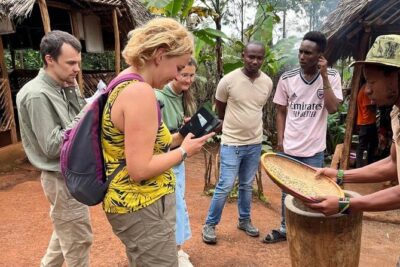
Materuni waterfalls coffee tour & Chemka hot springs Day trip
Read our review →
Materuni Waterfall, Coffee Tour and Picnic Hot Lunch
Read our review →
Maasai village visit, Materuni waterfalls & coffee experience
Read our review →
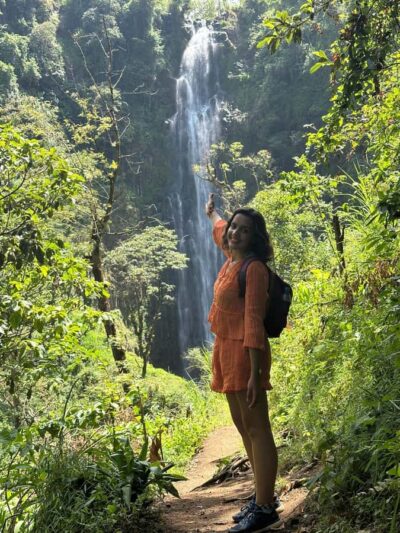
Arusha or Moshi : Hot Spring, Waterfall & Coffee Farm Tour
Read our review →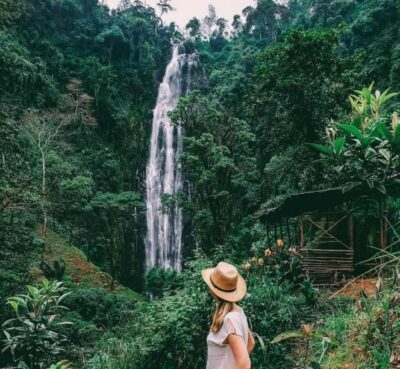
Materuni Waterfalls, Coffee, and Hotsprings Tour
Read our review →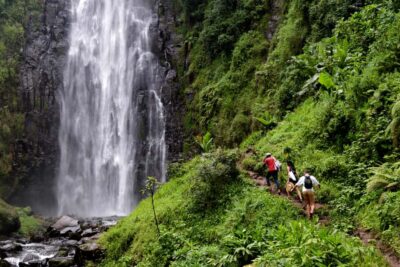
Materuni Waterfalls, Chemka Hot Springs, &/Or Coffee Tour
Read our review →Browse the lists this tour appears in