
Reviewed · 4-DAY EXPERIENCES
4 Day: Astonishing Group Safari
This four-day safari packs Tanzania’s biggest wildlife names into one ambitious route: Lake Manyara, Serengeti, and Ngorongoro Crater. You travel in a four-wheel-drive jeep with a pop-up roof and space for up to six people, then spend two days focused on the Serengeti.
I like the small group size, which makes it easier to share animal sightings without filling every seat in a large vehicle. I also like the simple pricing: park fees, meals, drinks, camping or lodge arrangements, a guide, and airport pickup are included. The main drawback is the pace. Long drives and early starts leave little room for rest, and the final day tries to connect the Serengeti with Ngorongoro Crater.
Key points to know before booking
- Up to six people: The group limit keeps the safari more personal than a large coach-style outing.
- Three major wildlife areas: The route covers Lake Manyara, Serengeti National Park, and Ngorongoro Crater.
- Two Serengeti days: You get a full day in the park rather than only passing through on the way to another stop.
- Meals are covered: The package includes four breakfasts, four lunches, three dinners, plus drinks.
- Pop-up-roof safari vehicle: The 4×4 is set up for wildlife viewing and photography from a raised position.
- Airport pickup and drop-off: Transfers are included, which is useful if you are arriving in Arusha for a short safari.
What $1,054 buys you on this Tanzania safari
The listed price is $1,054 per person. For a four-day safari, that is not a casual budget outing, but the value depends on how much you would otherwise need to arrange yourself.
This price includes all fees and taxes, a professional driver-guide, the safari jeep, meals, drinks, and airport pickup and drop-off. It also includes four breakfasts, four lunches, and three dinners. You are not paying separately for the major park access costs, which can make a large difference in Tanzania.
You still need to budget for international flights, visa fees, travel insurance, personal items, and tips for the safari driver, guide, and chef. Those extras are normal for this kind of trip, but they should be part of your real budget.
The strongest value here is the route. In four days, you reach three of northern Tanzania’s best-known wildlife areas without needing to organize multiple transfers, park entries, meals, and vehicle arrangements yourself. The tradeoff is that you spend a fair amount of time on the road. If you want a slower safari with long mornings at camp and extra time in each park, you will likely need a longer itinerary.
A few more Arusha trips to weigh up
- Balloon Safari & Bush Breakfast in Serengeti – Miracle Experience
★ 5.0 · 1,646 reviews - 4 Days Group Camping Safari
★ 5.0 · 1,101 reviews - 5 Days Group Camping Safari
★ 5.0 · 730 reviews
Day 1: Lake Manyara beneath the Rift Valley escarpment
Pickup is scheduled for 8 a.m. from your hotel in Arusha. The drive takes you across the Great Rift Valley before the game drive begins at Lake Manyara National Park.
The park is relatively small, covering about 205 square miles, but it packs several different settings into a short visit. The park is known for acacia woodland, large fig trees, mahogany trees, and a growing population of baboons and blue monkeys. You may also see giraffes, elephants, impalas, and large herds of buffalo.
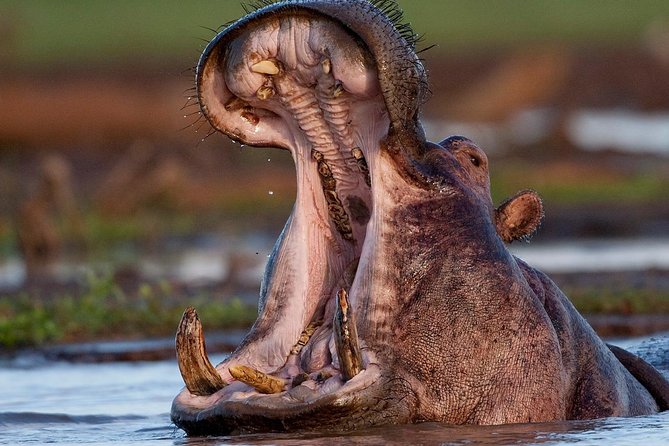
Lake Manyara itself adds another reason to keep your camera ready. Hippos live in the lake, and the water gives the game drive a different feel from the open grasslands you will see later in the Serengeti. The combination of trees, water, and the Rift Valley scenery makes this a good opening day for a first safari.
The published schedule allows about six hours at the stop. That is enough for a useful game drive, but not enough to explore every corner of the park. You should think of Lake Manyara as an introduction to northern Tanzania rather than the main event.
There is one point to confirm before you pay. The overall description refers to Lake Manyara National Park or Tarangire National Park, while the day-by-day plan specifically names Lake Manyara. Ask which park is included on your departure date. These are different parks with different scenery and wildlife patterns, so clarity matters.
Day 2: The long road into the Serengeti
After an early breakfast, you head toward Serengeti National Park. The drive is long, but the changing views are part of the experience. As you move into the park, the trees thin out and the open plains begin to stretch toward the horizon.
The Serengeti covers about 6,900 square miles, or 18,000 square kilometers. Its local name refers to endless plains, and you quickly understand why. Distances can be hard to judge when there are few buildings or roads to break up the view.
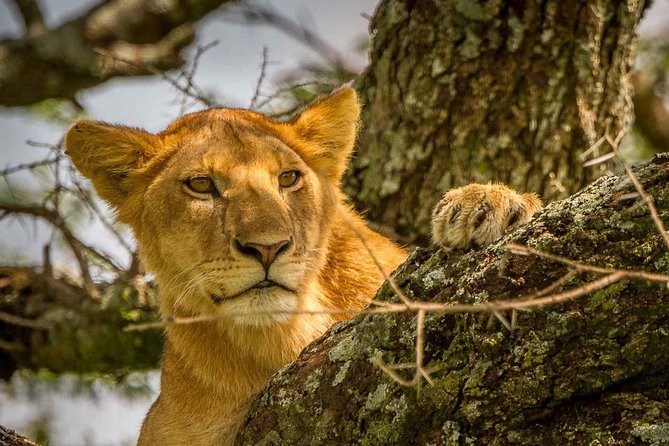
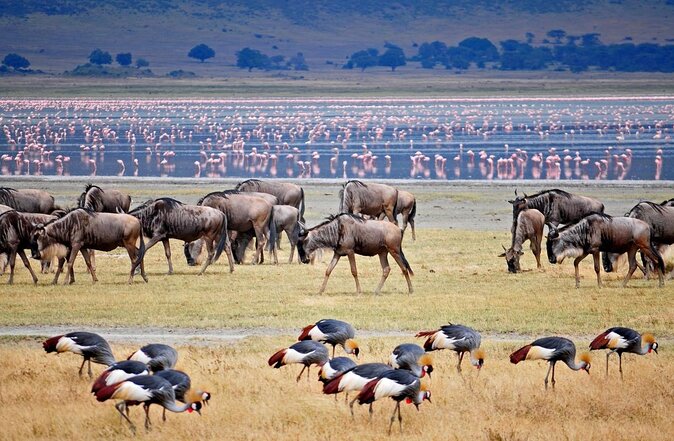
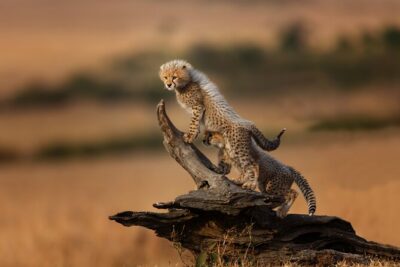
This is the park associated with the Great Migration, with about two million wildebeests, hundreds of thousands of zebras, and many antelope species. The Serengeti is also a major place to look for lions, leopards, cheetahs, and other large predators.
Still, a careful expectation is important. The migration is seasonal and constantly moving. The tour gives you access to the Serengeti, but it cannot promise a particular herd location or a specific animal sighting. Wildlife watching always depends on timing, weather, and chance.
The schedule lists about six hours at the stop, but the day also includes the long journey from the Lake Manyara area into the Serengeti. This makes Day 2 a demanding travel day. You will want an early start, patience, and realistic expectations about how much time is spent driving compared with watching animals.
You stay overnight at the Seronera campsite after dinner. Seronera is a useful base because it places you inside the central Serengeti area for the next day rather than requiring another long approach from outside the park.
Day 3: Your most flexible day in the Serengeti
Day 3 is the heart of the safari. You have a full day in the Serengeti, and the schedule can be shaped around your preferences after discussion with the guide.
One option is a morning game drive, followed by lunch and a rest at the camp or lodge, then an afternoon game drive. This works well if you want a break from the vehicle and prefer to see the park at two different times of day.
The other option is a full-day game drive with a picnic lunch. That gives you more time to cover ground and respond to wildlife sightings as they develop. It also means more hours in the jeep, so it is worth being honest about your energy level.
The guide discusses the day’s timing with you on safari. That flexibility is useful because the best plan depends on what you have already seen, how far you are from the camp, and what sort of experience you want. You might prefer to focus on big cats, search for elephants and buffalo, or simply spend time watching the plains.
The full day also helps balance the compressed route. Day 2 gives you an impressive arrival, but Day 3 is where you can settle into the Serengeti’s scale. You are not limited to a quick stop and a few roadside sightings.
After the game drive, you return to Seronera campsite for dinner and another night. Communal dining is part of the camping setup. A standard shared table can make dinner a social part of the safari, with people comparing the day’s sightings and photographs. That is a pleasant fit for anyone who likes meeting new companions, though less ideal if you want a private, quiet camp routine.
Food is a strong part of the package. The safari cook prepares the included meals, and the feedback about the food is particularly positive. One practical note is that safari food tends to be straightforward rather than elaborate. You are paying for convenience and a hot meal in remote surroundings, not a restaurant menu.
Same country, a completely different kind of safari:
- Tanzania Classic – 7 Days
★ 5.0 · 1,151 reviews - Materuni Waterfalls, coffee tour & Kikuletwa Hot Springs
★ 5.0 · 643 reviews - 3 Days Serengeti & Ngorongoro Group Camping Safari
★ 5.0 · 574 reviews - 7-Day Premium Luxury Tanzania Safari All-Inclusive
★ 5.0 · 426 reviews
Day 4: Sunrise in the Serengeti, then Ngorongoro Crater
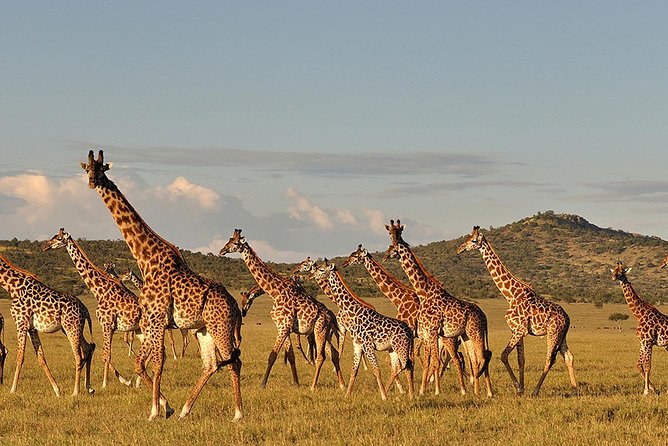
The final day begins early. The suggested plan is an early-morning game drive, when animals are often more active and the rising sun creates a memorable setting across the plains.
You then return to camp or lodge for brunch before continuing toward Ngorongoro Crater. This sequence gives you one last chance to see the Serengeti before shifting to a very different setting.
Ngorongoro Crater is about 102 square miles across, with walls roughly 2,000 feet high. The enclosed setting makes it feel unlike the open Serengeti. Water, swamps, grassland, and a soda lake support a wide range of East African wildlife in a relatively compact area.
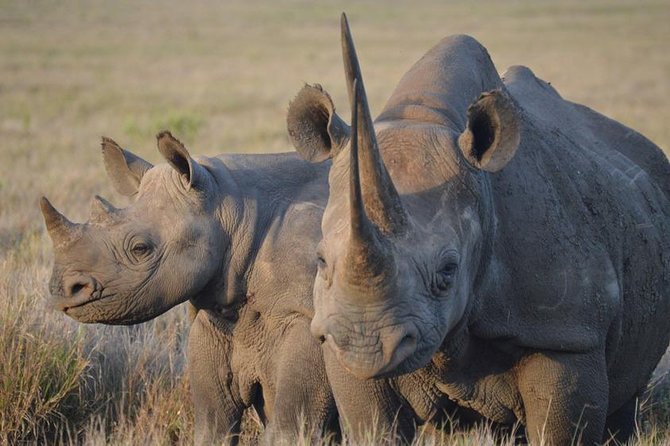
The crater is also one of the rare places in East Africa where you might see a black rhinoceros. A rhino sighting is never guaranteed, and it may be from a distance, but the possibility adds real weight to this final stop. Lions, elephants, buffalo, hippos, and other wildlife may also be present.
The schedule describes about six hours for the stop. What it does not spell out is the exact timing of the transfer from the Serengeti to the crater, or where the final overnight takes place. Ask the operator to confirm the day’s driving plan, the crater visit timing, and the exact end point before departure.
This is the tour’s biggest logistical challenge. You get a sunrise drive in the Serengeti and a visit to Ngorongoro Crater in the same day, but the combination leaves little spare time. If your priority is seeing both areas on a short trip, that is a fair trade. If you dislike long transfers, consider adding another day.
Life inside the six-seat safari jeep
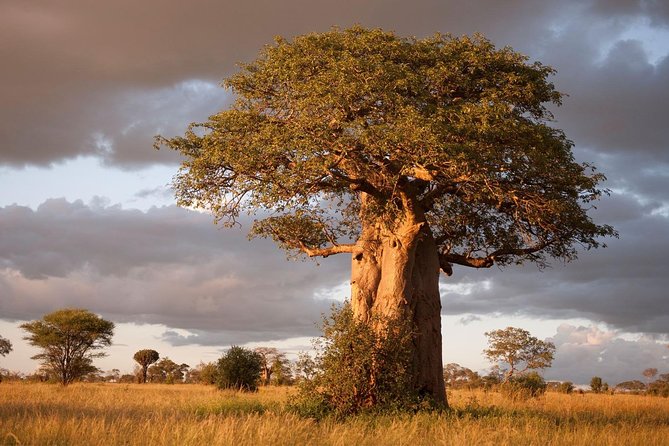
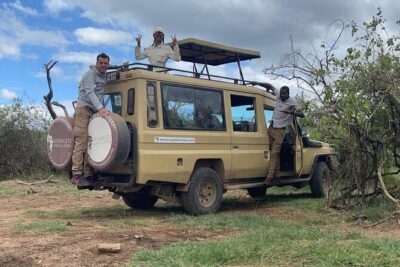
The vehicle is a 4×4 safari jeep with a pop-up roof and six window seats. The raised roof is important. It lets you watch animals from a better angle and take photographs without viewing everything through glass.
With a maximum of six people, the vehicle should feel less crowded than a larger group setup. You still share space, so patience and courtesy matter. One person may want to stop for a lion while another is ready for lunch or a restroom break. The small group limit gives you a better chance of discussing those choices with the guide.
A professional driver-guide leads the trip. No individual guide name is provided, so you should not book this expecting a particular person. The guide is also the person who helps set the timing on Day 3, making communication important.
The group format can be a real plus if you are traveling alone or as a couple. It lowers the cost compared with a private safari and gives you company at meals and during long drives. The downside is that you have less control than you would in a private vehicle.
Meals, camping, and the social side
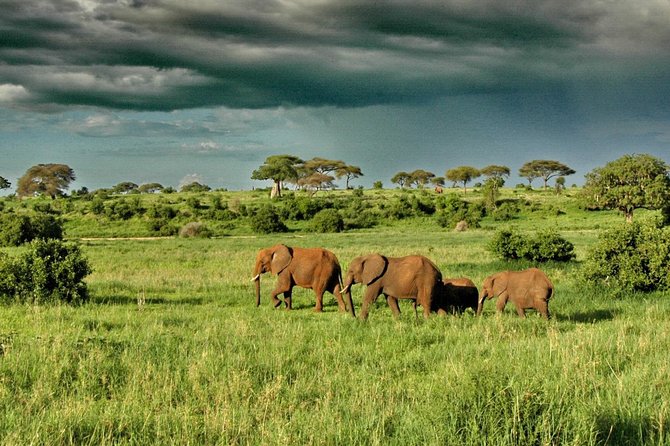
The package includes meals and drinks throughout the trip. There are four breakfasts, four lunches, and three dinners. That covers the core safari schedule, including the early starts and full-day drives.
The camping arrangement includes a Seronera campsite overnight after Day 2 and Day 3. The itinerary also refers to camps or lodges, so confirm the exact accommodation style before booking if sleeping arrangements are important to you.
The social side can be one of the better parts of this trip. Shared dining tables create an easy way to meet people from other countries and compare notes at the end of the day. One couple described the dining tent and communal table as a favorite part of their stay.
The food also received strong praise. The chef was credited with preparing tasty meals, and one report described the cooking as a highlight. That matters on a four-day route, since you will be away from town and eating what the safari team provides.
Organization deserves a little attention. A positive experience is possible, but one account pointed to an organizational issue. That does not erase the strong reports about the guide, chef, and communication, but it is a reason to confirm pickup time, the park chosen for Day 1, sleeping arrangements, and the final-day route in advance.
Who should book this four-day safari?
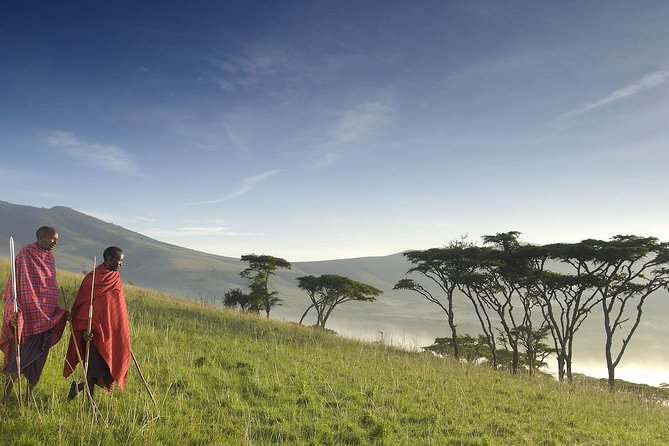
I would point this safari toward you if you have limited time in Tanzania and want the country’s most famous parks in one compact trip. It also suits couples and solo visitors who like meeting people, want a lower-cost group arrangement, and are comfortable with early mornings and long drives.
The route works especially well if your priorities include big cats, the open Serengeti, a chance to see rhinos, and the famous scenery of Ngorongoro Crater. The small group and included meals make the planning easier.
I would be more cautious if you want a slow, private trip or if you need generous rest periods. Four days is enough to sample these parks, but it is not enough to experience every part of them at an easy pace.
Free cancellation is available if you cancel at least 24 hours before the local start time. Changes made inside that window are not accepted, and poor weather can lead to a new date or a full refund. Most people can participate, but the supplied information does not give specific accessibility details, so ask before booking if you have mobility concerns.
Should you book it?
Book this safari if your main goal is maximum wildlife variety in four days. The route gives you Lake Manyara, two Serengeti days, an early Serengeti drive, and Ngorongoro Crater, while covering the major park costs, meals, guiding, transport, and airport transfers.
Before paying, confirm the Day 1 park, accommodation type, and exact Day 4 schedule. If those details suit you, the $1,054 price offers a practical way to see northern Tanzania without building the trip yourself. Just arrive ready for early breakfasts, long roads, shared space, and a busy final day.
FAQ
Where does the safari start?
The safari starts in Arusha, Tanzania, with pickup scheduled for 8 a.m.
Does the tour provide airport pickup and drop-off?
Yes. Free pickup and drop-off at the airport are included.
How many people can join the group?
The group has a maximum of six travelers.
Which national parks are included?
The day-by-day plan includes Lake Manyara National Park, Serengeti National Park, and Ngorongoro Crater. The general tour description also mentions Tarangire as an alternative to Lake Manyara, so confirm the Day 1 park before booking.
How many days are spent in the Serengeti?
The itinerary includes travel and a game drive in the Serengeti on Day 2, then a full day in the Serengeti on Day 3, followed by an early-morning drive on Day 4.
Are meals included?
Yes. The package includes meals and drinks, with four breakfasts, four lunches, and three dinners listed.
Is the safari vehicle suitable for wildlife viewing?
Yes. Transport is provided in a 4×4 safari jeep with a pop-up roof and six window seats.
What is not included in the price?
International flights, tips for the safari driver, guide, and chef, personal items, travel insurance, and visa fees are not included.
Just added around Arusha
- 8 Days Serengeti Migration safari★ 5.0 · 11 reviews
- tarangire, ngorongoro & lake manyara park 3 days private tour★ 5.0 · 11 reviews
- tarangire & ngorongoro 2 days tour★ 5.0 · 14 reviews
- Mt. Kilimanjaro: Shira plateau to Cathedral point 3872m Day hike★ 5.0 · 7 reviews
- serengeti, ngorongoro & tarangire 4 days private tour★ 5.0 · 18 reviews
- serengeti & ngorongoro 3 days private tour★ 5.0 · 15 reviews
- climb the KILIMANJARO via Lemosho route★ 5.0 · 4 reviews
- 2 Days Tanzania Midrange Group Join Safari★ 5.0 · 7 reviews
4-Day Experiences, compared.


4 Days Join Group tour Tarangire Serengeti and Ngorongoro crater
Read our review →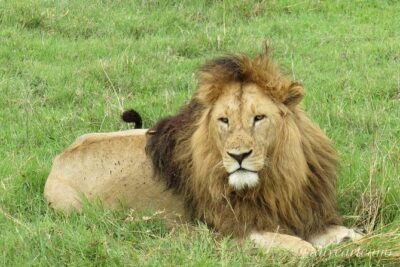
4-Day Safari from Arusha: Tarangire, Serengeti and Ngorongoro
Read our review →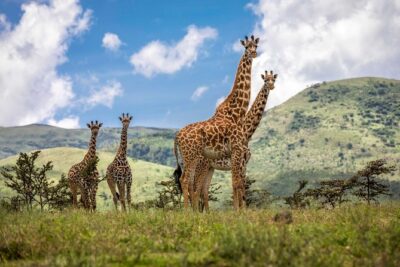
4 Days Tarangire, Serengeti and Ngorongoro Mid-Range Group Safari
Read our review →
4 Days Tanzania Lodge Safari With Two Nights at Serengeti
Read our review →
Browse the lists this tour appears in