
Reviewed · SERENGETI SAFARIS
7-Day Group Camping Tarangire/Serengeti/Ngorongoro/lake Manyara
The main draw here is variety. In one week, you move from Tarangire’s giant baobabs and elephant herds to the wide Serengeti, the wildlife-packed Ngorongoro Crater, and flamingo-lined Lake Manyara. The route gives you a proper taste of northern Tanzania rather than keeping you in one park.
I like two things right away: the long Serengeti stay gives you several chances to find wildlife, and the included meals and camping keep the price reasonable for a seven-day safari. Guides such as Jacob and Mohamed have been praised for spotting animals and positioning the vehicle well.
The main caution is the pace. Several days involve long drives, early breakfasts, and basic camping, and the migration timing in the description is not fully consistent. The trip is promoted for October through December, while another part says the best river-crossing period is July through October. Ask for the exact route and expected migration position before paying.
Key points to know before booking
- Four major wildlife areas in seven days: Tarangire, Serengeti, Ngorongoro, and Lake Manyara each offer a different setting and animal mix.
- Three nights in the Serengeti: You get more than a quick pass through the park, with time for central and northern areas.
- A real camping safari: Your cook prepares breakfast, lunch, and dinner, while you stay in group campsites rather than luxury lodges throughout the route.
- A strong chance of classic safari animals: The itinerary focuses on elephants, lions, leopards, rhinos, cheetahs, flamingos, and wildebeest.
- Practical extras are included: Airport transfers, two Arusha hotel nights, meals, park fees, and a 4×4 safari vehicle are part of the package.
- Confirm the group setup: The tour is described as group camping, but the booking information also calls it a private activity for only your group.
What the $1,790 price really covers
At $1,790 per person, this is not a cheap day trip, but it is a fair price for a week-long northern Tanzania safari if you use the included services. The package covers park fees, airport transfers in both directions, two nights in Arusha, seven breakfasts, seven lunches, seven dinners, and transport in an extended 4×4 vehicle with a pop-up roof.
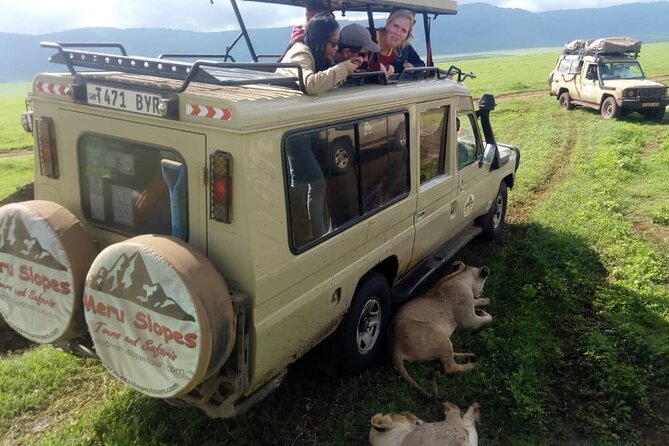
That last detail matters. The pop-up roof lets you stand or sit upright for a better view during game drives, while the 4×4 design is suited to rough park roads. You are not paying extra each day for entry fees or meals, which makes the total easier to plan.
The price is best understood as a camping safari with practical comforts, not a lodge safari. You should expect a more basic night-by-night setup than you would receive at a permanent lodge. In return, you spend more of your budget on time inside the parks, especially the Serengeti.
Tips for the safari guide and cook are not included. You should set aside money for gratuities, since the guide and cook have a large effect on how smoothly the week runs. The tour has received a 5-star rating from 12 published ratings, with 100 percent recommending it, but the rating alone should not replace a careful look at the camping style and schedule.
More Lake Manyara Safaris in Arusha
- Private 6-Day Tarangire Manyara Crater and Serengeti with Mid-Range Lodges
★ 5.0 · 238 reviews - 3 Days Tarangire, Ngorongoro & Lake Manyara Group Camping Safari
★ 5.0 · 102 reviews - 3 Days Private Safari – manyara, Ngorongoro & Tarangire
★ 5.0 · 94 reviews
Day 1: elephants and baobabs in Tarangire
Pickup from your Arusha hotel is scheduled for around 8:00 a.m., followed by a drive of about three hours to Tarangire National Park. The park lies roughly 115 kilometers from Arusha and covers about 2,800 square kilometers.
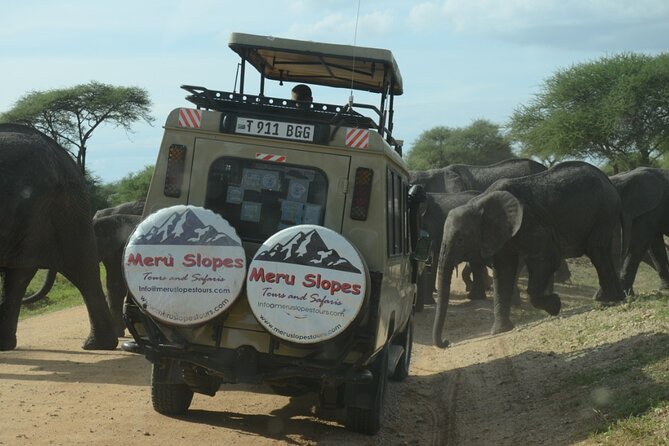
Tarangire is a good first park because it looks and feels different from the Serengeti. The Tarangire River gives animals a dependable water source, and large elephant herds are one of the park’s main attractions. You will also look for lions, leopards, pythons that climb trees, and the park’s remarkable baobabs.
The day includes a full game drive, so you get a substantial introduction to safari viewing rather than only a short afternoon visit. The timing also means you will be out for much of the day before driving to Jambo Lodge for dinner and the night.
The drawback is the first long transfer. A three-hour road journey followed by a full game drive can feel tiring, especially if you arrived in Tanzania shortly before the tour. The included Arusha night before the safari is useful here, giving you a place to sleep and get ready before departure.
Day 2: the road from the Rift Valley to central Serengeti
After breakfast, you pack your luggage into the safari vehicle and begin the trip toward Serengeti National Park. Lunch is eaten in the vehicle, and the route includes views of the Rift Valley and Ngorongoro Crater before you reach the Serengeti at about 3:00 p.m.
This is a transit day, but it is not empty time. The views help explain how the northern circuit fits together, and the first approach to the Serengeti is part of the pleasure. An evening game drive in central Serengeti gives you a chance to see the park in softer light and watch the sunset before dinner.
You spend the night at Seronera campsite inside the park. That location is valuable because it reduces the need to leave the Serengeti at the end of the day. You can spend more time looking for wildlife instead of commuting to accommodation outside the park.
Plan for roughly ten hours on the move. Lunch in the jeep is practical rather than leisurely, and luggage remains part of your daily routine. Pack a small day bag with water, sunscreen, a camera, and a warm layer so you do not have to search through larger bags during the drive.
Days 3 and 4: two full days in the Serengeti
The itinerary gives you two major Serengeti days after arrival, plus the evening drive on Day 2 and a morning drive on Day 5. This is the heart of the safari.
Day 3 begins with breakfast before a game drive toward northern Serengeti. The guide will search areas connected with the wildebeest migration and other wildlife. The route points toward the Mara River and Kogatende, known for dramatic crossings when the herds are in the north.
This is where expectations need careful handling. A river crossing is a natural event, not a scheduled show. The supplied timing says crossings at Kogatende begin in July, with July through October described as the strongest period. It also notes that the herds can cross back and forth, following rain and fresh grass. That means even the right month does not guarantee a crossing at the exact place or hour you visit.
Day 4 continues with a full game drive in the Serengeti. The guide will adjust the route to follow current animal movement, which is more useful than treating the printed plan as fixed. The migration is described as strongest from June through September, while calving is associated with January through March. The tour’s headline also identifies October through December as its migration season, so you should confirm whether your departure date is aimed at northern movement, return movement, or general Serengeti wildlife.
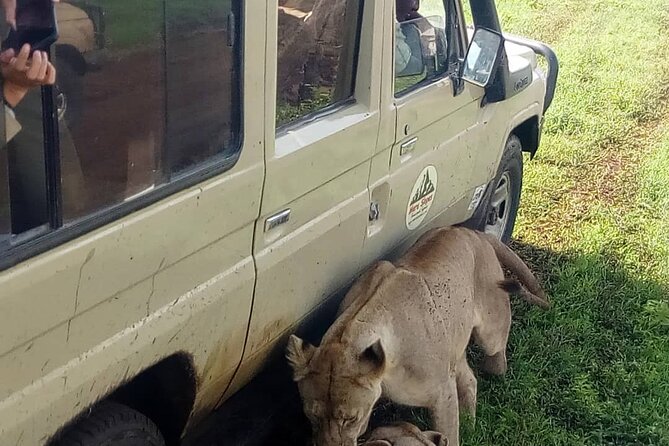
The Serengeti is not only about wildebeest. You may see lions, leopards, cheetahs, elephants, and many other animals. One of the strongest practical advantages here is the driver’s skill. Mohamed is specifically praised for reaching good viewing spots in the vast park, while Jacob is praised for an eagle eye and strong animal knowledge. Guides can change from departure to departure, but asking who will lead your trip is sensible.
The two full days are excellent for wildlife time, though they are also demanding. Each is listed at about ten hours. You will spend much of the day seated in the vehicle on uneven roads, waiting, watching, and moving on when the guide decides the moment has passed.
More Serengeti Safaris in Arusha
- Balloon Safari & Bush Breakfast in Serengeti – Miracle Experience
★ 5.0 · 1,646 reviews - 3 Days Serengeti & Ngorongoro Group Camping Safari
★ 5.0 · 574 reviews - 5-Day Highlights mid-Range Crater, Serengeti, Tarangire
★ 5.0 · 296 reviews - 3-Day Classic Serengeti Safari
★ 5.0 · 263 reviews
Day 5: sunrise, one last Serengeti drive, and Ngorongoro
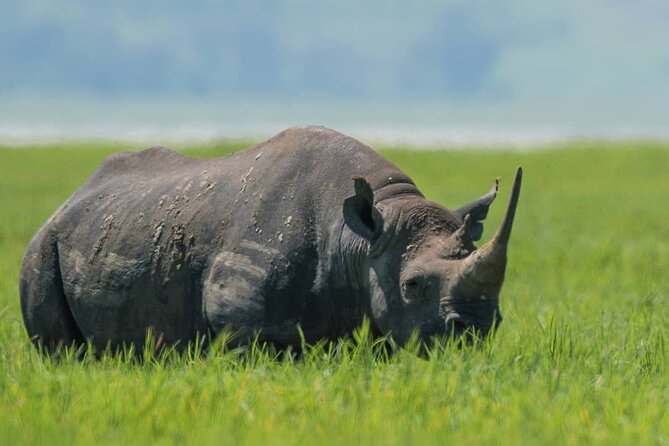
Day 5 starts around 5:45 a.m. with an early breakfast and sunrise inside the Serengeti. You then continue a morning game drive until about 11:30 a.m., return to camp for a hot lunch, pack your belongings, and set off toward Ngorongoro.
This is a satisfying final Serengeti morning because animals are often active early in the day, and the sunrise gives the drive a clear sense of occasion. After lunch, you continue with a game drive while heading toward Simba campsite near Ngorongoro for dinner and the night.
The day lasts about nine hours, so it is another full day rather than a simple transfer. The early start can be hard after several camping nights, but it gives you a better chance of seeing the park during the cooler morning hours.
Your bags must be packed into the vehicle again after lunch. That repeated routine is part of the camping style. If you prefer unpacking once and staying put, a lodge-based itinerary would be more comfortable, but it would usually cost more.
Day 6: descending into Ngorongoro Crater
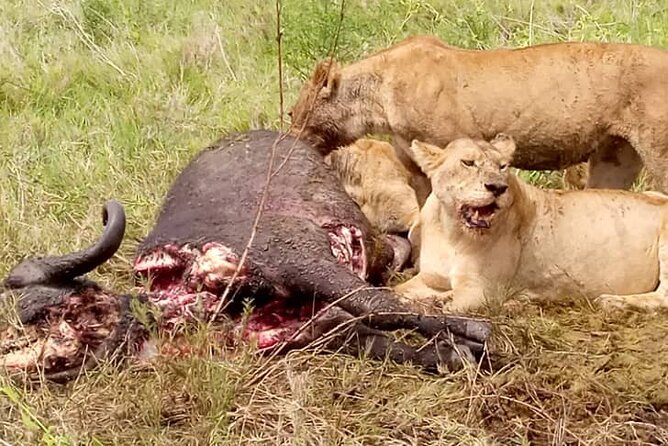
You rise around 5:30 a.m. for breakfast before descending into Ngorongoro Crater. The crater floor is one of the most concentrated wildlife areas on this route, and the day’s main goal is to search for the Big Five, including the black rhino.
You can also expect birdlife and concentrations of flamingos. Lunch is served inside the crater during the game drive, so you remain close to the scenery and animals instead of leaving the area for a separate meal.
The crater drive lasts about six to seven hours before you ascend. The walls and enclosed setting make Ngorongoro feel different from the open Serengeti. Wildlife viewing can be especially rewarding here because animals are gathered in a smaller area, though the number of vehicles and the fixed descent and ascent route can make the day feel busier.
After the crater, the plan includes a walking tour in Mto wa Mbu village. You can see banana plantations, learn about daily life, and taste local food. This is an important change of pace after several days focused almost entirely on animals. It also gives you a closer look at the communities that live beside Tanzania’s major park areas.
The night is at Jambo Lodge. Since the day begins early and combines a crater drive with a village visit, you may appreciate having a lodge night rather than another campsite.
Day 7: Lake Manyara and the return to Arusha
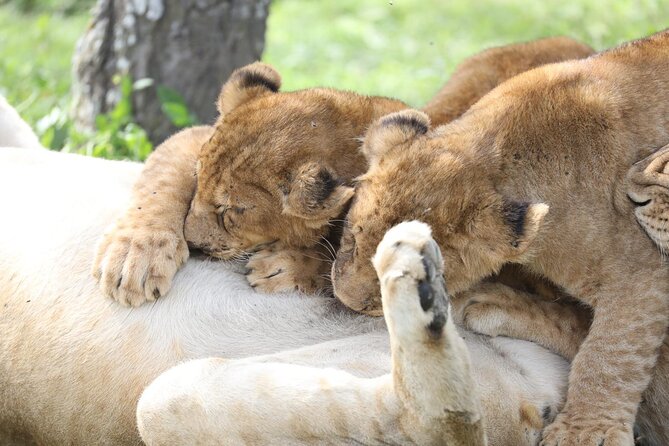
After breakfast, you head to Lake Manyara National Park for a full-day game drive. The park is associated with tree-climbing lions, flamingos attracted by algae in the lake, and a hot spring.
The setting offers a final contrast with the Serengeti and Ngorongoro. Instead of spending the whole day on broad open plains, you look for animals around the lake and wooded areas. Flamingos can add color to the water, while the hot spring gives the day a natural feature beyond wildlife watching.
The itinerary also includes a visit to a Maasai boma. You can learn about Maasai culture, traditions, and daily life before driving back to Arusha for dinner and the final night.
This is a full ending, but it is also a demanding one. You still have an eight-hour day after six early starts and several long drives. If your departure flight is soon after the safari, use the included Arusha night after the tour as a buffer rather than scheduling an immediate airport departure.
Camping, food, and the safari vehicle
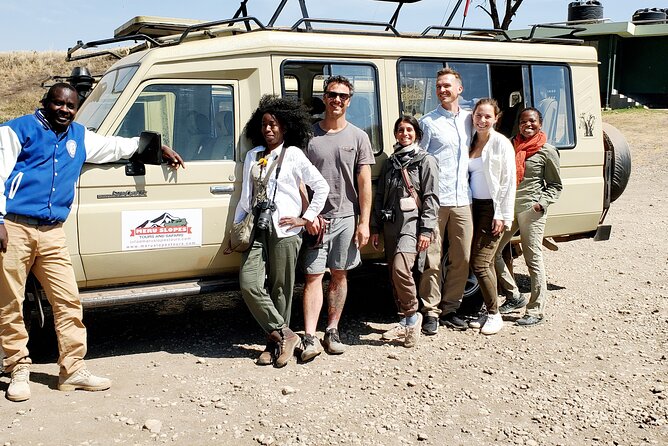
Meals are included every day, with seven breakfasts, seven lunches, and seven dinners. The cook is an important part of the setup. Salim, described by returning clients as the stomach engineer, prepared fresh meals and even offered natural medicine when someone felt unwell. Gadi is also named as a cook and supplier on one shared safari.
You should still ask what camping equipment is supplied and what you need to bring, since the package information does not give a full packing list. It confirms group camping, but it does not spell out tent size, washroom arrangements, or shower facilities.
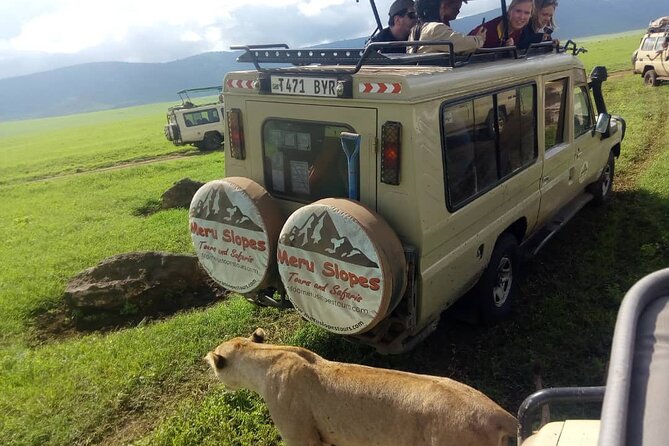
The extended 4×4 vehicle has a pop-up roof for game viewing. A small group can make a big difference when you want a clear view of a lion or a leopard. The booking information describes the activity as private for your group, while the tour title and trip details describe group camping. Get the final passenger count in writing before booking.
The people who shape the week
A safari guide is more than a driver. The guide chooses routes, reads animal behavior, explains the ecosystem, and decides how long to stay at a sighting. The strongest praise attached to this trip focuses on that role.
Jacob is noted for spotting animals and explaining what you are seeing. Mohamed is praised for placing the vehicle in the right area at the right moment in the Serengeti. Nuru led a shared trip with a couple and a solo participant, creating a close group atmosphere. Freddy is identified as an experienced English and Spanish-speaking guide.
These names are useful when you contact the operator, but they should not be treated as a guarantee that one particular guide will be assigned. Ask about language, group size, and the guide’s experience with the migration if those points matter to you.
Who should book this safari?
I would choose this trip if you want a broad northern Tanzania route and prefer spending money on park time rather than high-end lodging. It suits you if you can handle early starts, long drives, shared routines, and basic camping.
It also works well for a first safari. The route covers four famous areas, meals are arranged, airport transfers are included, and you do not need to organize separate transport between parks.
I would think twice if you want a slow, private holiday with late mornings and permanent beds. The schedule is packed, the Serengeti days are long, and migration sightings depend on weather and animal movement.
The route can also be adjusted. One booking was changed to remove Lake Manyara and add another Serengeti day. If the migration is your top goal, ask if a similar change is possible for your dates.
Should you book it?
Book this safari if you want a week of serious wildlife viewing, a broad route, and a reasonable all-in price. Tarangire’s elephants, Serengeti’s migration country, Ngorongoro’s crater floor, and Lake Manyara’s flamingos give you four distinct chapters in one trip.
Before committing, confirm three things: the exact migration dates and route, the number of people in the vehicle, and what the camping setup includes. If those details suit you, the combination of long Serengeti access, included meals, skilled guide options, and airport transfers makes this a strong value for an active safari.
Cancellation is free up to 24 hours before the scheduled start time. If poor weather cancels the experience, you can be offered another date or a full refund.
FAQ
Where does the safari start?
The safari starts in Arusha, with pickup from an Arusha hotel scheduled for around 7:30 or 8:00 a.m. The information also says transfers are included in both directions between the international airport and Arusha.
Which parks and areas does the tour visit?
The route includes Tarangire National Park, Serengeti National Park, the Ngorongoro Conservation Area and Crater, and Lake Manyara National Park. It also includes a walking tour in Mto wa Mbu village and a visit to a Maasai boma.
Is camping included?
Yes. Group camping quarters are included, with campsites in or near the parks. The supplied details do not specify every camping facility, so ask what tents, bedding, showers, and washrooms are provided.
Are meals included?
Yes. The package includes seven breakfasts, seven lunches, and seven dinners. Tips and gratuities for the guide and cook are not included.
Is airport transportation included?
Yes. Transfers in both directions between the international airport and Arusha are included, along with two nights of accommodation in Arusha, one before and one after the safari.
When can I see the wildebeest migration?
The information gives several periods. The experience is promoted from October through December, July through October is described as the best period for Mara River crossings, June through September is described as the strongest general migration period, and January through March is associated with calving. Confirm the expected herd location for your specific dates.
Is this a private tour or a group safari?
The experience is described as group camping and also as a private activity for only your group. Because those descriptions differ, confirm the final group size and vehicle arrangement before booking.
More Tarangire National Park Safaris in Arusha
- 4 Days Tarangire Serengeti Ngorongoro Crater
★ 5.0 · 117 reviews - Tarangire Day Tour
★ 5.0 · 95 reviews - 5 Days Tanzania Group Joining Safari, Tarangire/Serengeti/Ngorongoro Crater
★ 5.0 · 85 reviews - 4 Days Tarangire, Serengeti and Ngorongoro Mid-Range Group Safari
★ 5.0 · 84 reviews
More Ngorongoro Crater Tours in Arusha
- 5 Days Camping Tarangire, Serengeti & Ngorongoro crater & Visiting Maasai
★ 5.0 · 229 reviews - 4 Days Join Group tour Tarangire Serengeti and Ngorongoro crater
★ 5.0 · 219 reviews - 4-Day Safari from Arusha: Tarangire, Serengeti and Ngorongoro
★ 5.0 · 173 reviews - 2 Days Tarangire and Ngorongoro Group Camping Safari
★ 5.0 · 146 reviews
Just added around Arusha
- 8 Days Serengeti Migration safari★ 5.0 · 11 reviews
- tarangire, ngorongoro & lake manyara park 3 days private tour★ 5.0 · 11 reviews
- tarangire & ngorongoro 2 days tour★ 5.0 · 14 reviews
- Mt. Kilimanjaro: Shira plateau to Cathedral point 3872m Day hike★ 5.0 · 7 reviews
- serengeti, ngorongoro & tarangire 4 days private tour★ 5.0 · 18 reviews
- serengeti & ngorongoro 3 days private tour★ 5.0 · 15 reviews
- 2 Days Tanzania Midrange Group Join Safari★ 5.0 · 7 reviews
- climb the KILIMANJARO via Lemosho route★ 5.0 · 4 reviews
Serengeti Safaris, compared.

Serengeti Balloon Safari and authentic bush breakfast
Read our review →
3 Days Serengeti & Ngorongoro Group Camping Safari
Read our review →
5-Day Highlights mid-Range Crater, Serengeti, Tarangire
Read our review →


Private 6-Day Tarangire Manyara Crater and Serengeti with Mid-Range Lodges
Read our review →
5 Days Camping Tarangire, Serengeti & Ngorongoro crater & Visiting Maasai
Read our review →