
Reviewed · 6-DAY EXPERIENCES
6 Days – Best of Nothern Parks Safari
Tarangire’s giant baobabs and elephant herds provide a memorable opening, but the real prize is the run of Serengeti and Ngorongoro that follows. You get two full wildlife days in the Serengeti, then a crater descent where black rhino may appear among one of East Africa’s densest concentrations of animals.
I like the small private format, capped at six people, and I like the flexible game-drive planning, which lets you choose between a full-day picnic outing or a morning drive followed by rest. The main caution is value: at $3,100 per person, you should confirm the exact lodges and what meals are covered, since only breakfast is clearly listed and accommodation depends on vacancies.
Key points to know before booking
- Four major wildlife areas: Tarangire, Serengeti, Ngorongoro Crater, and Lake Manyara are packed into six days.
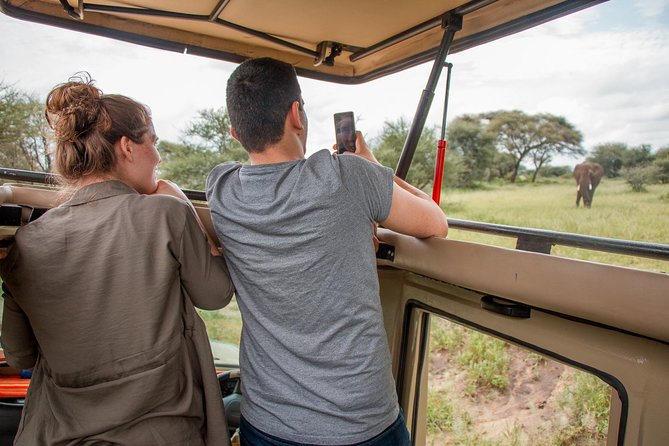
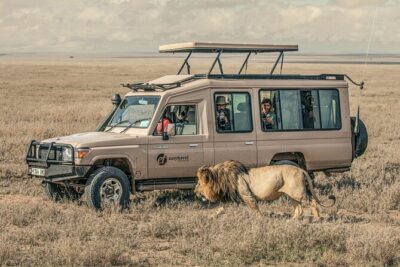
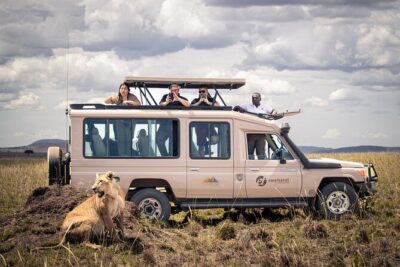
- Private transport for up to six: You avoid a large coach, though the vehicle is not listed as air-conditioned and has no restroom onboard.
- Two Serengeti days: This gives you better odds of seeing predators and lets you set a more relaxed pace.
- Early starts matter: Sunrise drives in the Serengeti and an early crater descent are central to the experience.
- Accommodation depends on availability: Lodges are provided according to vacancies, so ask for names and room standards before paying.
- Gifton is the main contact: He arranged trips on short notice, helped with budgets, checked in daily, and handled airport pickup in at least one reported booking.
Why this six-day route works
Northern Tanzania is not one single safari setting. The parks change quickly, and that variety is one of the strongest reasons to choose this route.
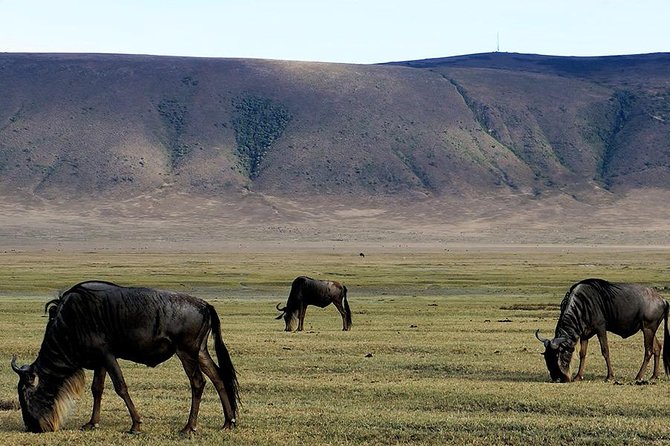
Tarangire gives you dry-country scenery, huge baobabs, elephants, and shrinking lagoons. The Serengeti opens into broad plains and brings the best chance of seeing lions, cheetahs, leopards, wildebeest, and zebra. Ngorongoro compresses wildlife into a dramatic crater, while Lake Manyara adds Rift Valley views and an impressive bird count.
The schedule is busy, but it is not just a string of quick stops. You spend a full day in the Serengeti, then return there for an early drive before heading toward Ngorongoro. That middle stretch gives the trip its best rhythm: arrive, search, pause, and search again.
The tradeoff is road time. Northern Tanzania’s parks are spread out, and getting from one to another takes much of the day. You will see a great deal, but this is not a slow one-park safari with long afternoons at camp.
A few more Arusha trips to weigh up
- Balloon Safari & Bush Breakfast in Serengeti – Miracle Experience
★ 5.0 · 1,646 reviews - 4 Days Group Camping Safari
★ 5.0 · 1,101 reviews - 5 Days Group Camping Safari
★ 5.0 · 730 reviews
Tarangire: elephants, baobabs, and a strong first day
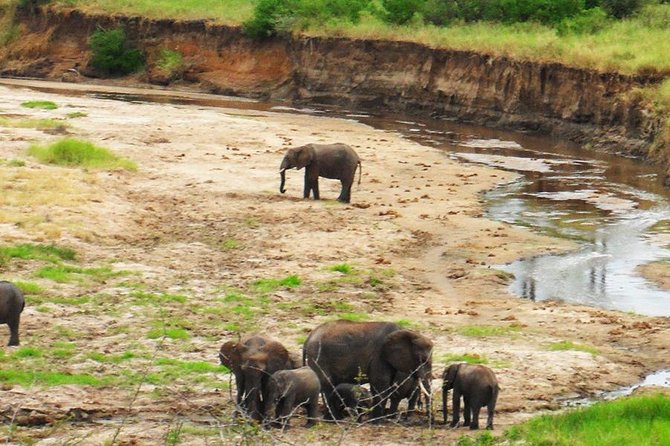
Your pickup begins in the morning from your hotel in Arusha. The first major stop is Tarangire National Park, known for its large baobab trees and substantial elephant herds.
The park’s sparse vegetation makes animal spotting easier in some places. During dry periods, elephants may gather around riverbeds and search for underground water. Wildebeest, zebra, and buffalo can also collect near the remaining lagoons, giving you a useful mix of large mammals right at the start.
The picnic area has an observatory with views toward the river and surrounding wildlife. That is more than a lunch break. It gives you a chance to watch the area from one place, and the itinerary notes a good possibility of seeing predator activity while you eat.
An afternoon game drive continues before you reach your accommodation. This is a full opening day, so you should be ready for an early start and several hours in the vehicle. Still, Tarangire is a smart first park because the scenery differs from the Serengeti and the elephant viewing can be excellent.
Two days in the Serengeti for better wildlife odds
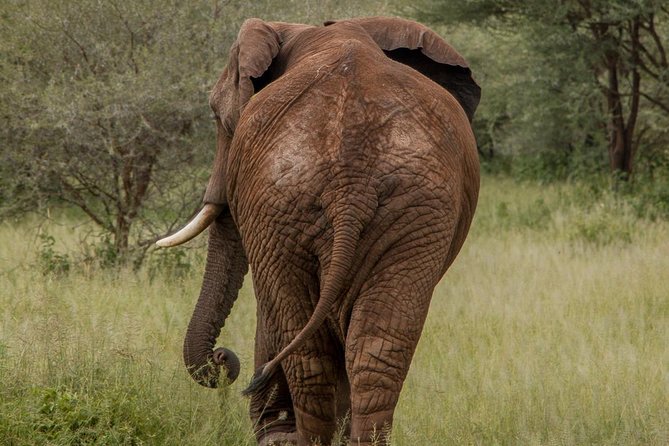
Day two takes you to the Serengeti, one of Africa’s best-known wildlife parks. Its fame comes partly from the annual movement of wildebeest and zebra, but the park is valuable even when the herds are elsewhere.
The broad plains support lions, cheetahs, leopards, and other predators. The exact sightings depend on season, animal movement, and your guide’s decisions, so no responsible safari operator can promise a particular animal. The route gives you a good amount of time, though, and that matters more than a single lucky drive.
The first Serengeti day is also a long transfer day. You are not simply arriving at a lodge and resting. You are driving into one of Tanzania’s largest protected areas, with wildlife viewing forming part of the journey. If you dislike long road days, ask how much time will be spent driving and how much will be used for game viewing.
A flexible Serengeti day that lets you set the pace
The full third day is the trip’s breathing space. Your guide discusses the schedule with you each day, including wake-up times and game-drive timing. You can choose a morning drive, return to camp for lunch and rest, then go out again in the afternoon.
The other option is a full-day outing with a picnic lunch. I prefer having both choices. A full day in the field gives you more time to cover ground and follow sightings, while a split day works better if you want a shower, a proper pause, or a chance to enjoy camp.
This flexibility is especially useful for mixed groups. One person may want to chase every possible wildlife sighting, while another may value a slower morning. With no more than six people, those conversations should be easier than in a large shared vehicle.
Your guide’s judgment will shape this day. Ask what is active, where the road conditions are manageable, and how far you need to drive for particular sightings. The best plan is not always the longest one.
Same country, a completely different kind of safari:
- Tanzania Classic – 7 Days
★ 5.0 · 1,151 reviews - Materuni Waterfalls, coffee tour & Kikuletwa Hot Springs
★ 5.0 · 643 reviews - 3 Days Serengeti & Ngorongoro Group Camping Safari
★ 5.0 · 574 reviews - 7-Day Premium Luxury Tanzania Safari All-Inclusive
★ 5.0 · 426 reviews
Sunrise in the Serengeti, then the Ngorongoro highlands
Day four begins early, and that is a good idea. Animals are often more active in the cooler morning, and the sunrise across the Serengeti can be one of the visual highlights of the trip.
After the drive, you return to camp for brunch before continuing toward Ngorongoro. This combination gives you both a prime wildlife period and a proper meal afterward. It also keeps the day from becoming one long stretch in the vehicle.
The change in scenery is part of the appeal. You leave the open Serengeti plains and move toward the high walls of the Ngorongoro Crater. The crater covers about 102 square miles and has walls around 2,000 feet high, creating a huge natural enclosure.
Ngorongoro is often described as a place where many East African species live close together. It is also one of the rare places in the region where you may see the endangered black rhino. The possibility is real, but a sighting is never guaranteed, so treat it as a bonus rather than a promise.
Accommodation near Ngorongoro can be a highlight, but the exact lodge depends on vacancies. Before booking, ask for the planned property, the room type, and how far it is from the crater descent. Those details affect how early you must rise and how much time you spend on the road.
The crater floor: one of Africa’s most concentrated wildlife settings
Day five starts with an early descent down the crater walls. The drive to the floor is a dramatic part of the day, and the enclosed setting makes Ngorongoro feel different from the open Serengeti.
The crater’s grasslands, water sources, and enclosed geography can bring many animals into a relatively compact area. You may see large herbivores, predators, and perhaps rhino during the game drive. The setting itself is a major attraction: high walls rise around the floor, while the road carries you through a natural bowl filled with wildlife.
An early start helps you make the most of the day. It also means this is not a restful morning. If you want time to sleep late at camp, this route may feel demanding. If you want the best chance of seeing animals while the day is cool, the early departure is worth it.
The crater is a strong fit for a first safari because it offers a concentrated wildlife experience without requiring as much searching as the open plains. The downside is that its popularity can make the experience feel less secluded than remote parts of the Serengeti. The route still earns its place because the scenery and wildlife setting are so distinct.
Lake Manyara: Rift Valley views and more than 400 bird species
The final park is Lake Manyara National Park, located within the Great Rift Valley. The park is known for its soda-ash lake, tree-climbing lions, and broad birdlife.
The lake shores can attract pink flamingos, and the park supports more than 400 bird species, including waterfowl and migratory birds. If you enjoy birds, this stop adds something that the big-mammal focus of the Serengeti and Ngorongoro may not provide.
Lake Manyara is also a useful final contrast. Instead of endless plains or a crater floor, you get a lake setting and Rift Valley scenery. Tree-climbing lions are one of the park’s signature possibilities, but, like a rhino sighting, they should not be treated as a guarantee.
After the park, you drive back to Arusha, ending the service there. The final day combines another game drive with a return transfer, so your arrival time depends on the day’s conditions and the distance covered.
What the $3,100 price includes, and what it does not
At $3,100 per person, this is not a budget safari in absolute terms. It is described as a pocket-friendly package, but you should judge the price against the private format, park access, transport, and length of the route.
The listed inclusions are:
- Private transportation
- All fees and taxes
- Accommodation as set by the itinerary
- Six breakfasts
A private vehicle for a maximum of six can be good value if you want control over the daily schedule. You are also covering four major wildlife areas, park charges, and several nights of accommodation. Those costs add up quickly in Tanzania.
The unclear parts need attention. Lunch and dinner are not listed among the inclusions, and the accommodation is subject to lodge vacancies. The vehicle is not listed as air-conditioned, and there is no restroom onboard. None of these points automatically ruins the trip, but each can affect comfort and the final budget.
Ask these questions before booking:
- Which lodges are planned for each night?
- Are lunch, dinner, drinks, and picnic meals extra?
- What type of vehicle is used?
- How many nights are included?
- Are there additional charges for airport pickup or other transfers?
The strongest value comes if you want a private safari with a compact group and a ready-made route. If you are comparing it with a group camping trip, confirm exactly what camping safari means here, since the accommodation description also refers to lodges.
Transport, group size, and daily comfort
The small group limit is one of the practical advantages. With up to six people, you have a better chance of discussing when to stop, how long to watch an animal, and whether to split the Serengeti day into morning and afternoon drives.
Private transportation also means the vehicle is for your party rather than a large shared group. But the details matter. Air conditioning is not included, and there is no restroom onboard. You should be comfortable with long drives and plan bathroom breaks around park facilities and meal stops.
The experience includes pickup in Arusha. A past arrangement also included airport pickup through Gifton, but you should confirm that service directly for your own booking rather than assume it is part of the $3,100 package.
The company’s main organizer, Gifton, is praised for arranging trips on short notice, working within a budget, checking in each day, and helping with practical details. That hands-on contact is useful when plans change or you need clarity about the next day.
The accommodation question deserves a direct answer
Accommodation is described as lodges depending on vacancies, while the wider package also uses the word camping. That wording is important. A lodge-based safari and a tented camping safari offer different levels of comfort, privacy, and meal arrangements.
Do not rely on a general promise of a nice camp. Ask for the names of the properties before you commit. You want to know if the rooms are inside the parks, near the gates, or farther away, since location can change the length of your morning drive.
Six breakfasts are listed, which suggests breakfast is covered throughout the six-day schedule. Other meals are not listed, so budget for them unless the operator confirms otherwise. This is one of the clearest ways to avoid an unpleasant surprise.
Who this safari suits best
I would recommend this route to someone visiting northern Tanzania for the first time who wants the major parks in one organized trip. It suits you if you want elephants, big cats, crater scenery, birds, and a chance at rhino without arranging separate transport and park entries.
It also fits people who value some control over the schedule. The full Serengeti day can be active or relaxed, and the group size is limited. Families and small private parties may appreciate that flexibility, though the long drives and early starts require patience.
This is less suitable if you want luxury transport, guaranteed air conditioning, a restroom onboard, or a slow itinerary with few transfers. It may also feel expensive if you are comfortable arranging shared transport and basic accommodation yourself.
Free cancellation is available up to 24 hours before the start time for a full refund. Changes or cancellations inside that 24-hour window are not accepted for a refund, and poor weather may lead to a different date or full refund.
Should you book the six-day Northern Parks safari?
Book it if your priority is coverage and wildlife variety. Tarangire, two Serengeti days, Ngorongoro, and Lake Manyara give you a strong northern Tanzania route, while private transport and a six-person limit keep the experience personal.
Before paying, get the lodging names, meal plan, vehicle details, and any airport transfer costs in writing. If those answers match your expectations, the trip offers a well-focused way to see Tanzania’s best-known parks in six days.
If you need a spacious, air-conditioned vehicle or want every meal included, compare other packages first. For a first safari with a flexible guide, a compact group, and a serious concentration of wildlife, this one is worth close consideration.
FAQ
Where does the safari begin and end?
The safari begins with pickup from your hotel in Arusha and ends with a drive back to Arusha after visiting Lake Manyara National Park.
How long is the safari?
The experience lasts approximately six days.
Which parks are included?
The route includes Tarangire National Park, Serengeti National Park, Ngorongoro Crater, and Lake Manyara National Park.
How many people can join the tour?
The maximum group size is six people.
Is accommodation included?
Yes, accommodation is included according to the itinerary, but the specific lodges depend on vacancies.
Are meals included?
Six breakfasts are listed as included. Lunches, dinners, and other meals are not specifically listed, so confirm those costs before booking.
Is there air conditioning or a restroom in the vehicle?
Air conditioning is not included, and there is no restroom onboard.
Just added around Arusha
- 8 Days Serengeti Migration safari★ 5.0 · 11 reviews
- tarangire, ngorongoro & lake manyara park 3 days private tour★ 5.0 · 11 reviews
- tarangire & ngorongoro 2 days tour★ 5.0 · 14 reviews
- Mt. Kilimanjaro: Shira plateau to Cathedral point 3872m Day hike★ 5.0 · 7 reviews
- serengeti, ngorongoro & tarangire 4 days private tour★ 5.0 · 18 reviews
- serengeti & ngorongoro 3 days private tour★ 5.0 · 15 reviews
- 2 Days Tanzania Midrange Group Join Safari★ 5.0 · 7 reviews
- climb the KILIMANJARO via Lemosho route★ 5.0 · 4 reviews
6-Day Experiences, compared.

Private 6-Day Tarangire Manyara Crater and Serengeti with Mid-Range Lodges
Read our review →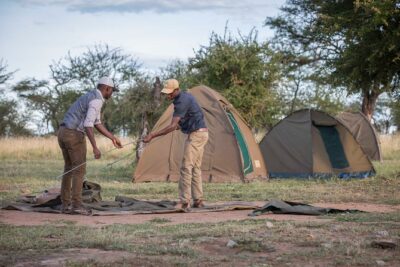



Browse the lists this tour appears in