
Reviewed · SERENGETI SAFARIS
5 Days Camping Tarangire, Serengeti & Ngorongoro crater & Visiting Maasai
Tarangire’s elephant herds, the Serengeti’s open plains, and Ngorongoro Crater’s dense wildlife make this five-day trip a fine introduction to northern Tanzania. I especially like the private vehicle, which lets you ask questions and spend more time where the animals are, and the full-board setup, which keeps costs under control. You also get nights before and after the safari, a useful touch when arriving in Arusha.
The trade-off is comfort. This is a real camping safari, not a tented lodge holiday. Campsite toilets can be basic, and one or two past trips had serious complaints about food, hygiene, and site conditions. Confirm the pickup time, sleeping arrangements, and campsite standard before paying.
Key points to know before booking
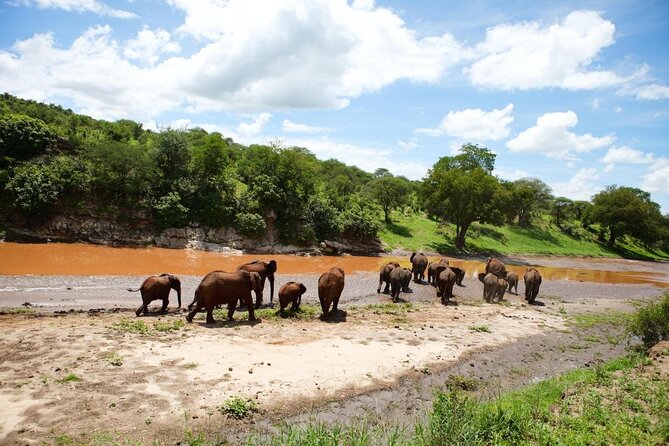
- Tarangire comes first: Expect a full game drive among elephants, baobabs, lions, giraffes, and perhaps tree-climbing pythons.
- Serengeti gets the most time: Two nights and long drives give you a better chance of finding predators and, in the right season, the wildebeest migration.
- Ngorongoro is a wildlife powerhouse: The crater’s enclosed setting often allows you to see many species in a single morning.
- The guide matters greatly: Samwel, Samuel, Douglas, Jacob, and Johnson are names connected with strong guiding experiences, but your assigned team may differ.
- Camping keeps the price reasonable: At $1,254 per person, the package includes meals, water, park fees, accommodation, and Wi-Fi in the safari vehicle.
- Mto wa Mbu adds local life: The final stop includes banana plantations with more than 30 varieties and a community guide.
Why this five-day route works
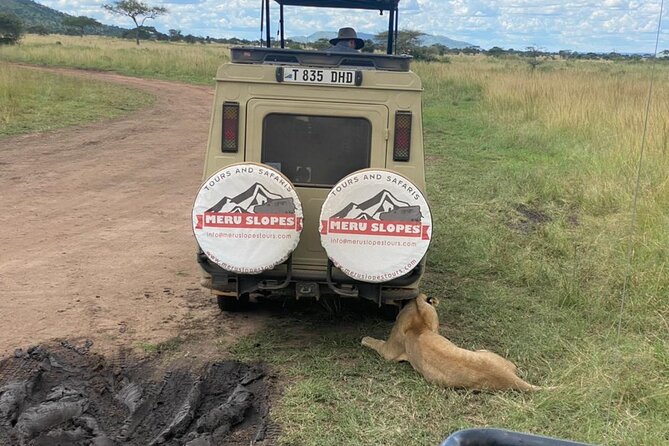
This route covers Tanzania’s three best-known wildlife areas in a short stretch. You move from Tarangire’s dry woodland and baobabs to the open Serengeti, then into the bowl of Ngorongoro Crater. Each park has a different feel, so the journey does not become one long repetition of the same animals.
I like the way the route balances time in the parks with practical overnight stops. The night before and the night after the safari are included, which reduces the usual scramble of finding a room around your departure and return. The package also includes breakfast, lunch, and dinner for five days, unlimited drinking water, and Wi-Fi inside the safari jeep.
The price is strong for a private safari with park fees and full meals included. You are not paying only for transport and game drives, then adding food and permits later. Still, the word camping matters here. Basic public facilities and variable campsite conditions are part of the bargain.
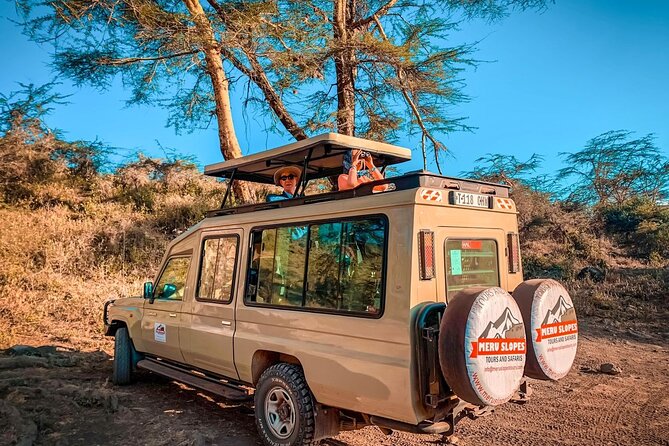
The vehicle carries no more than six participants, and the tour is described as private. That means more room for questions and a better chance of agreeing on how long to watch an animal. It does not mean a luxury vehicle or lodge-level service.
More Serengeti Safaris in Arusha
- Balloon Safari & Bush Breakfast in Serengeti – Miracle Experience
★ 5.0 · 1,646 reviews - 3 Days Serengeti & Ngorongoro Group Camping Safari
★ 5.0 · 574 reviews - 5-Day Highlights mid-Range Crater, Serengeti, Tarangire
★ 5.0 · 296 reviews
Day 1: Elephants and baobabs in Tarangire
The first morning begins in Arusha, with the stated pickup time listed as 8:00 a.m. in the daily plan, while the general meeting information gives 9:00 a.m. Confirm this directly before departure. Tarangire is about 115 kilometers from Arusha, and the drive is expected to take roughly three hours.
You spend the day on a game drive in Tarangire National Park, which covers about 2,800 square kilometers. The Tarangire River gives the park its name and draws animals to its water, especially during dry periods. Elephants are the headline sight here, often seen in notable numbers, but the park also offers lions, leopards, giraffes, zebras, and many other species.
The scenery is just as important as the animal count. Large baobab trees give the park its unmistakable shape, and the combination of dry woodland, river country, and open areas makes each turn feel different. You may also see pythons climbing trees, an unusual sight that gives Tarangire a character of its own.
After about eight hours in the park, you drive to Jambo Lodge for dinner and the night. The wording of this trip calls the experience camping, yet the first night is described at a lodge. Ask the operator to explain exactly which nights are in tents and which are in lodge rooms, especially if you are traveling with a friend and want separate sleeping spaces.
Day 2: Crossing the highlands into the Serengeti
After breakfast, you travel through the farmland around Karatu and the Ngorongoro Conservation Area before descending toward the Serengeti. This is a long transfer, but it is not empty travel. The highland setting changes gradually, and then the open Serengeti begins to stretch toward the horizon.
The destination is the Seronera area in central Serengeti. Its river provides a steady water source, so it attracts a broad mix of wildlife. You may see lions, elephants, zebras, wildebeest, giraffes, hippos, and many birds, with the exact sightings shaped by the season and the animals’ movements.
The plan allows about nine hours for the day, including the journey and an afternoon game drive until sunset. Arriving around lunchtime gives you a useful first look at the park, though the long road from Arusha and the highland route can make this a tiring day.
The central Serengeti is a sensible base for a short safari because it offers access to many species. The limitation is distance. If the wildebeest are far north or far south, you will not automatically see the migration from Seronera. A good guide can adjust the search area, but no route can promise a particular animal or event.
Day 3: A full day searching the Serengeti
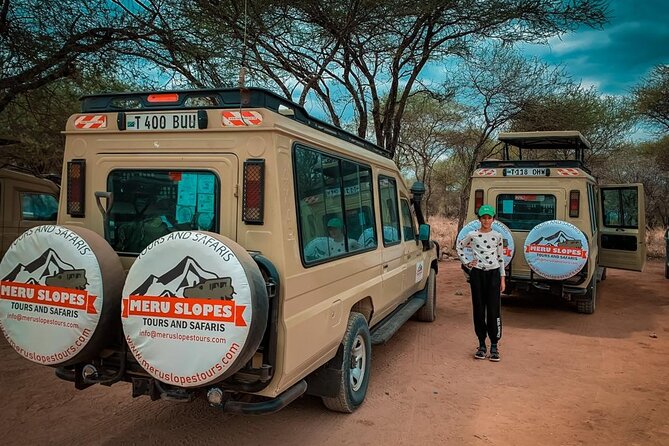
Day three is the trip’s main wildlife day. You rise early, eat breakfast, and spend the full day on game drives in the Serengeti. The schedule allows roughly ten hours, giving your guide time to check key areas rather than rushing from one sighting to the next.
This is where a private guide can make a real difference. Guides such as Samwel, Samuel, Douglas, Jacob, and Johnson have been praised for patient driving, clear explanations, and knowing where to look for animals. Your assigned guide may be someone else, but it is worth asking questions and explaining which animals matter most to you.
The tour places special attention on the Great Migration. The timing changes each year, so there is no fixed guarantee. June through September is described as the best period for seeing major migration activity, while January through March is the calving season. From July through September, the route may reach northern Serengeti for a chance to see wildebeest crossing the Mara River.
That last sight is never automatic. The herds follow rain and grazing, and the crossing itself can happen quickly or not at all during your visit. The wider point is that the Serengeti remains worthwhile outside the migration season, with resident wildlife and predator sightings providing the main appeal.
You return to camp for dinner and another night. At this point, camping comfort becomes important. Past trips have included praise for cooks such as Saleem and Johanna, with good meals helping make long days easier. Other accounts describe poor campsite toilets and concerns about food and cleanliness, so ask how meals are prepared and what facilities are used at each site.
Same country, a completely different kind of safari:
- Tanzania Classic – 7 Days
★ 5.0 · 1,151 reviews - 4 Days Group Camping Safari
★ 5.0 · 1,101 reviews - 5 Days Group Camping Safari
★ 5.0 · 730 reviews - Materuni Waterfalls, coffee tour & Kikuletwa Hot Springs
★ 5.0 · 643 reviews
Day 4: Sunrise game drive and the road to Ngorongoro
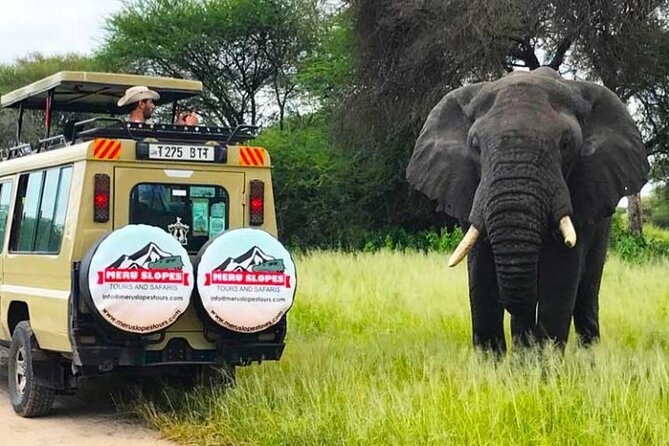
The fourth day starts at about 5:45 a.m. with an early breakfast. The reward is a sunrise game drive in the Serengeti, when the light is soft and animals may be active before the heat of the day.
You continue driving until about 11:30 a.m., then return to camp for a hot lunch and time to pack the vehicle. After lunch, the route includes more Serengeti game viewing while you head toward Ngorongoro Crater. This creates another long day, listed at roughly ten hours.
The benefit is extra time in the Serengeti instead of treating it as a quick pass-through. The cost is a demanding schedule of early starts, bumpy roads, and long hours in the vehicle. If you sleep poorly in tents, this is the point when fatigue may catch up with you.
The night is planned at Simba Campsite near the crater, with dinner and overnight accommodation. The name signals a more basic stop than a lodge. Bring patience for shared facilities, and confirm the tent, bedding, and bathroom arrangements if comfort is a major concern.
Day 5: Into Ngorongoro Crater
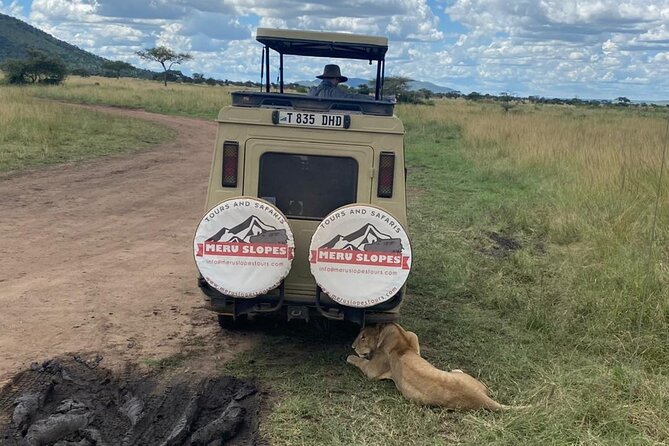
Early risers get the best chance to see sunrise from the crater rim. After breakfast, you take the steep track down into Ngorongoro Crater, a UNESCO World Heritage site and one of the most unusual wildlife settings in Tanzania.
The crater is about 610 meters deep and covers roughly 260 square kilometers. Its enclosed floor supports an estimated 25,000 animals, which is why a single morning can produce a long list of sightings. Wildebeest, zebras, gazelles, elephants, and hippos are possible, along with more than 500 bird species in the area.
The endangered black rhino is also present, although seeing one requires luck and careful scanning. Your guide’s ability to explain animal behavior and spot movement in the grass can improve the experience, but the crater is not a zoo. Animals move where they choose, and sightings cannot be promised.
The crater drive lasts about eight hours, including the descent, game viewing, lunch, and climb back up the steep walls. The views from the rim are striking, but the track can be rough. You should expect dust, jolts, and a full day outdoors.
Mto wa Mbu adds a human side
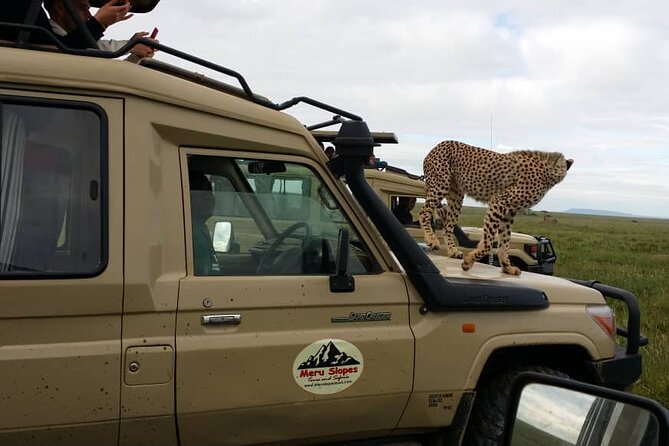
After Ngorongoro, the route continues to Mto wa Mbu for a short community visit before returning to Arusha for the night. A local guide leads the visit and explains social and economic life in the area.
The visit begins in banana plantations, where more than 30 varieties are grown by the community. That detail gives the stop a clear focus rather than making it a vague village walk. You can ask questions along the way and take photographs, while learning how farming fits into local life.
The wider tour description also includes a visit with Maasai people. The supplied schedule gives the detailed community visit at Mto wa Mbu, so confirm how the Maasai portion is arranged, how long it lasts, and whether it is part of the same stop or an additional activity.
I like having this local element after four days focused mainly on wildlife. It reminds you that northern Tanzania is not only a collection of parks. The stop is short, though, so treat it as an introduction rather than a full cultural program.
Camping, food, and daily comfort
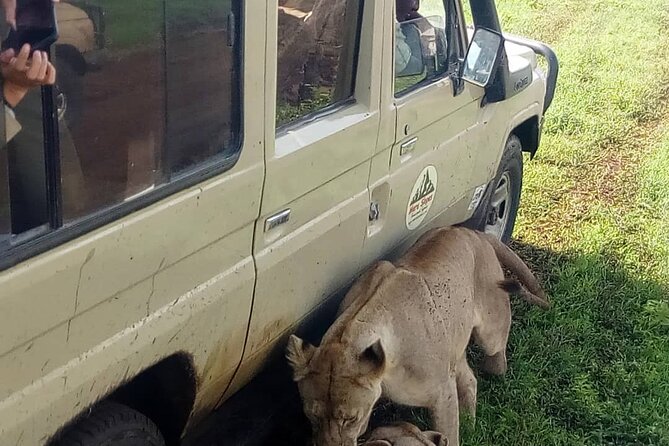
Camping is the central practical question. The experience includes accommodation before and after the safari, but the park nights use campsites, including Simba Campsite. Conditions can vary, and past accounts range from clean, acceptable facilities to serious complaints about toilets and hygiene.
The included cook is an important part of the trip. Names connected with especially strong experiences include Saleem and Johanna, and good cooking can be a major comfort after ten hours in a vehicle. Vegetarian meals are available, but you must request that option when booking.
Unlimited drinking water is included, which removes one common safari expense. Dinner, breakfast, and lunch are also included for five days. Flights and tips are not included, so budget for those separately.
Wi-Fi is listed inside the safari jeep. Treat it as a useful extra rather than the main reason to choose the trip. The real value lies in the park access, meals, water, guide, and vehicle.
The guide can shape the whole safari
The strongest part of this experience is likely to be the guide-driver. Good guides explain the ecosystem, identify birds and animals, watch the road, and respond to your requests without turning every stop into a rushed photo opportunity.
Samwel is praised for patience and clear explanations, while Samuel is associated with strong animal knowledge and careful driving. Douglas is noted for finding animals and explaining what you are seeing. Johnson is also connected with professional service and a willingness to respond to requests. These names help you understand the standard of guiding you can hope for, but they are not a promise that one particular person will lead your trip.
A private trip gives you more say than a large group departure. With a maximum of six people, you can discuss the pace, meal timing, and animals you want to seek. Still, you should agree on expectations before leaving Arusha, particularly around migration routes and campsite comfort.
Is $1,254 per person good value?
For five days, $1,254 per person is a sensible price for a private safari that includes park fees, transport, a guide, a cook, accommodation before and after, three meals daily, water, and Wi-Fi in the vehicle. Tarangire, Serengeti, and Ngorongoro are not low-cost destinations once entry fees and vehicle costs are added.
The value is strongest if you want major parks without paying lodge prices. The price is less attractive if you expect private bathrooms, polished camps, or short driving days. You are paying for access to famous parks and a full schedule, not for a soft bed every night.
The 99 percent recommendation rate and 4.9 rating from 230 ratings suggest that most bookings have gone well. At the same time, the low ratings point to a real issue: campsite standards and health conditions may not be consistent. Ask for the names of the camps, the type of tents, and the toilet arrangements before booking.
Who should book this safari?
I would choose this trip if you want a compact first safari, care more about wildlife than luxury, and are comfortable with early mornings and long drives. It suits couples, friends, and families who want a private vehicle and can manage basic camping.
It is also a good choice if you want the three headline destinations in one trip. The Serengeti gets two days, Ngorongoro gets a focused final morning, and Tarangire provides a different setting with elephants and baobabs.
I would hesitate if you need reliable comfort, have strict dietary or medical needs that require careful food control, or dislike shared campsite bathrooms. In that case, ask about a lodge upgrade or choose a longer trip with fewer transfers.
Book at least several weeks ahead if possible. The average booking lead time is about 75 days, which suggests that popular dates can fill well in advance, especially during the June to September migration period.
Should you book it?
Book this safari if your priority is seeing Tanzania’s major wildlife parks at a controlled price and you accept the rough edges of camping. The route is ambitious but rewarding, with elephants in Tarangire, broad Serengeti game drives, crater wildlife, and a final look at daily life in Mto wa Mbu.
Before confirming, get clear answers about the 8:00 or 9:00 a.m. pickup, the exact sleeping arrangements, campsite toilets, food preparation, and whether the Maasai visit is separate from Mto wa Mbu. If those details suit you, the package offers a strong mix of wildlife, local culture, and practical value.
FAQ
Where does the safari begin?
The safari begins in Arusha, Tanzania, with pickup offered from an Arusha hotel.
How long does the experience last?
The safari lasts five days, approximately, and includes accommodation before and after the safari.
Which national parks and protected areas are included?
The route visits Tarangire National Park, Serengeti National Park, the Ngorongoro Conservation Area, and Ngorongoro Crater.
Is the safari private?
Yes. The experience is described as a private tour, with a maximum of six participants.
What is the listed price?
The listed price is $1,254 per person.
Are meals included?
Yes. Breakfast, lunch, and dinner are included for five days.
Is drinking water provided?
Yes. Unlimited drinking water is included during the safari.
Is Wi-Fi available?
Wi-Fi is listed as available inside the safari jeep during the tour.
Can I request vegetarian food?
Yes. A vegetarian option is available, but you should advise the operator when booking.
What is the cancellation policy?
You can cancel for a full refund if you cancel at least 24 hours before the experience start time. Cancellations or changes made less than 24 hours before the start are not accepted for a refund.
More Tarangire National Park Safaris in Arusha
- Private 6-Day Tarangire Manyara Crater and Serengeti with Mid-Range Lodges
★ 5.0 · 238 reviews - 3 Days Tarangire, Ngorongoro & Lake Manyara Group Camping Safari
★ 5.0 · 102 reviews - Tarangire Day Tour
★ 5.0 · 95 reviews - 3 Days Private Safari – manyara, Ngorongoro & Tarangire
★ 5.0 · 94 reviews
More Ngorongoro Crater Tours in Arusha
- 4 Days Join Group tour Tarangire Serengeti and Ngorongoro crater
★ 5.0 · 219 reviews - 4-Day Safari from Arusha: Tarangire, Serengeti and Ngorongoro
★ 5.0 · 173 reviews - 2 Days Tarangire and Ngorongoro Group Camping Safari
★ 5.0 · 146 reviews - 4 Days Tarangire Serengeti Ngorongoro Crater
★ 5.0 · 117 reviews
Just added around Arusha
- 8 Days Serengeti Migration safari★ 5.0 · 11 reviews
- tarangire, ngorongoro & lake manyara park 3 days private tour★ 5.0 · 11 reviews
- tarangire & ngorongoro 2 days tour★ 5.0 · 14 reviews
- Mt. Kilimanjaro: Shira plateau to Cathedral point 3872m Day hike★ 5.0 · 7 reviews
- serengeti, ngorongoro & tarangire 4 days private tour★ 5.0 · 18 reviews
- serengeti & ngorongoro 3 days private tour★ 5.0 · 15 reviews
- climb the KILIMANJARO via Lemosho route★ 5.0 · 4 reviews
- 2 Days Tanzania Midrange Group Join Safari★ 5.0 · 7 reviews
Serengeti Safaris, compared.

Serengeti Balloon Safari and authentic bush breakfast
Read our review →
3 Days Serengeti & Ngorongoro Group Camping Safari
Read our review →
5-Day Highlights mid-Range Crater, Serengeti, Tarangire
Read our review →


Private 6-Day Tarangire Manyara Crater and Serengeti with Mid-Range Lodges
Read our review →
4 Days Join Group tour Tarangire Serengeti and Ngorongoro crater
Read our review →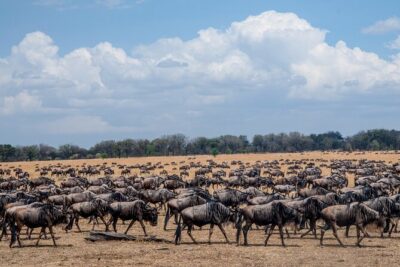
10-Day Serengeti Wildebeest Migration Safari from Arusha
Read our review →Browse the lists this tour appears in