
Reviewed · 5-DAY EXPERIENCES
5 Days Tanzania Safari Great Wildebeest Migration
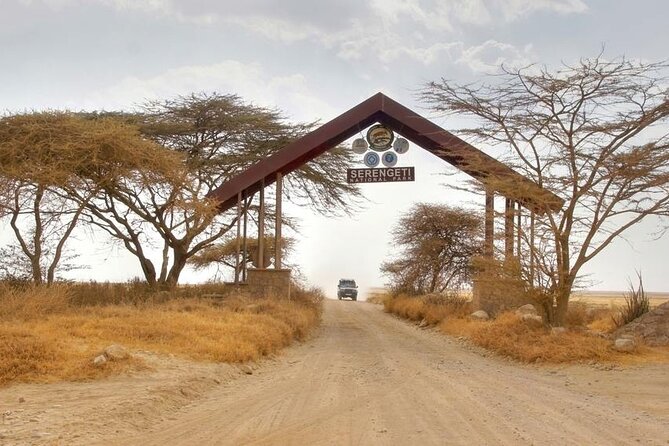
The main draw here is the chance to follow the Great Wildebeest Migration through northern Tanzania, with time in Tarangire, three days connected to the Serengeti, and a final game drive inside Ngorongoro Crater. You are not simply ticking off one park. You are moving through several very different wildlife areas.
I like the strong mix of places and the practical all-in price. Park fees, camping equipment, meals, drinking water, a sleeping bag, and a private guide are included. I also like the early start on the Serengeti, when you can search for animals before returning to camp for a proper breakfast.
The tradeoff is the pace. You will spend many hours on rough roads, including up to five hours reaching the Serengeti on Day 2. The northern Serengeti and Mara River search also depend on timing and animal movement, so a migration sighting is the goal, not a guarantee.
Key points to know before booking
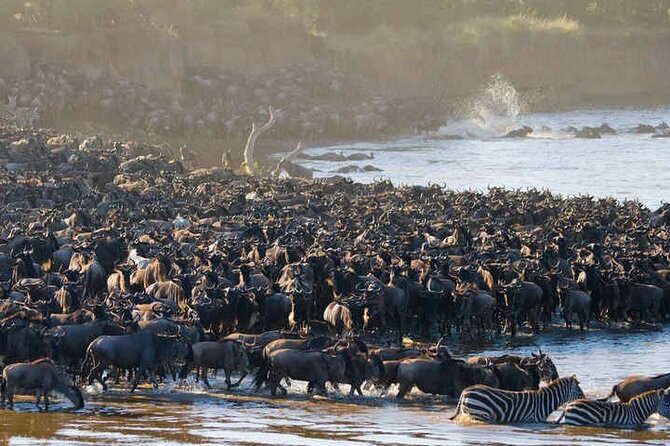
- Migration focus: Days 3 and 4 take you toward northern Serengeti and the Mara River in search of the moving herds.
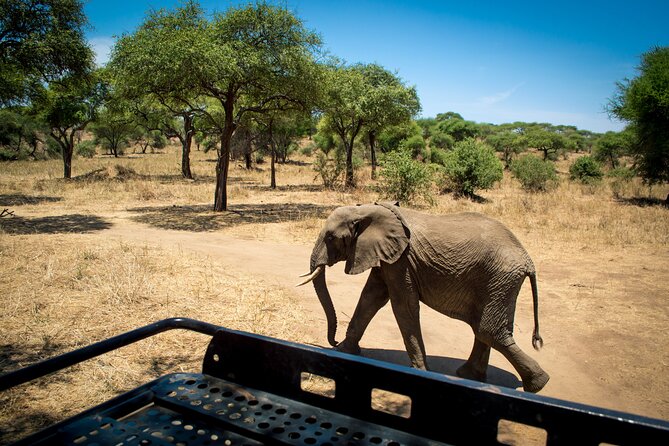
- Three major parks: You visit Tarangire, Serengeti National Park, and Ngorongoro Crater in five days.
- Private travel: Only your group participates, with an English, Spanish, or French-speaking driver-guide.
- Camping included: Campsite accommodation, camping equipment, a sleeping bag, meals, and drinking water are covered.
- Early mornings matter: Day 3 begins around 6:30 am after coffee, tea, and snacks, followed by a full breakfast back at camp.
- Good value with long road time: The $1,990 price includes major safari costs, but the schedule is active and driving-heavy.
A five-day route built around the migration
This safari starts and ends in Arusha, and the route is designed to combine a migration search with two reliable year-round wildlife areas. Tarangire opens the trip, the Serengeti gets the most time, and Ngorongoro provides the final wildlife day.
That order makes sense for a short safari. You get an immediate park visit on the first day, then spend three days connected to the Serengeti before finishing at the crater. The route is not leisurely, but it gives you a broad look at northern Tanzania without adding extra days.
The private format is important. You are traveling only with your own group, rather than being placed with strangers. That can make early departures, meal timing, and stops easier to manage. It also means your guide is working around your group’s needs, within the limits of the park schedule and road distances.
A few more Arusha trips to weigh up
- Balloon Safari & Bush Breakfast in Serengeti – Miracle Experience
★ 5.0 · 1,646 reviews - 4 Days Group Camping Safari
★ 5.0 · 1,101 reviews - 5 Days Group Camping Safari
★ 5.0 · 730 reviews
Day 1: Tarangire and its big baobabs
You leave Arusha at 8:00 am for Tarangire National Park. The drive to the entrance takes about two to two and a half hours, covering roughly 120 kilometers.
At the gate, you have about ten minutes for a restroom stop while your guide completes the park formalities. Then you begin morning and afternoon game drives, with lunch included during the park visit. The day lasts about seven hours before you leave for the campsite, dinner, and overnight stay.
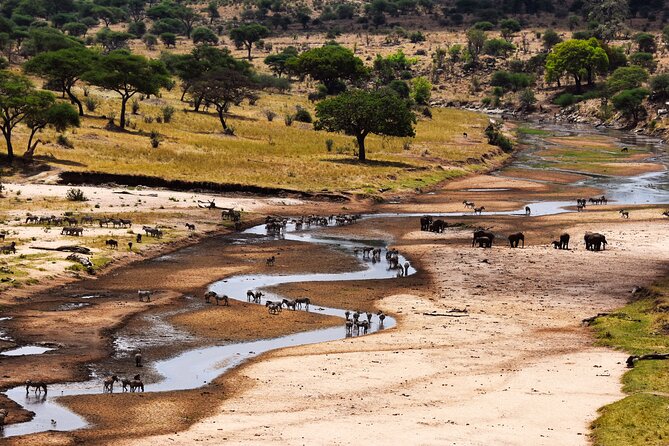
Tarangire is a good first stop because it gives you a full safari day without the long approach needed for the Serengeti. The park is known for its large elephants and striking baobab trees, although this tour information does not promise any particular animal sighting. You should treat the day as a chance to settle into the rhythm of game viewing, not as a preview of the migration itself.
The drawback is that this first day still involves a fair amount of driving and a full park schedule. If you arrive in Arusha after a long international flight, the 8:00 am departure may feel early. Plan to be rested before the tour begins.
Day 2: Crossing toward the Serengeti
Day 2 starts after a hot breakfast. The drive to the Serengeti entrance takes about four and a half to five hours over approximately 250 kilometers.
The road passes through the Ngorongoro Conservation Area. Along the way, you have a chance to see views of Ngorongoro Crater before reaching Naabi Gate, one of the main entrances to the Serengeti. This is a scenic transit day, but it is also the hardest driving day of the trip.
After lunch, you begin an afternoon game drive in the Serengeti, continuing until evening before heading to camp for dinner and the night. The day is listed at about seven hours, though road conditions and stops can affect the actual timing.
I appreciate that the tour does not use the entire day simply to transfer you from one park to another. The en-route drive through the conservation area gives you a first look at Ngorongoro, and the afternoon Serengeti drive gets you into the park before dark.
Still, keep your expectations realistic. You will not spend five uninterrupted hours looking for wildlife. Much of Day 2 is road travel, and the route may feel tiring if you prefer slow, relaxed safaris. The benefit is that you reach the Serengeti with two full park days still ahead.
Day 3: An early search near the Mara River
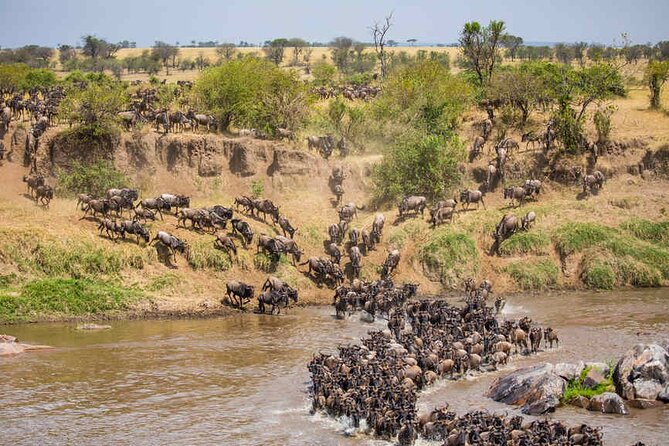
Day 3 is the most migration-focused part of the trip. You begin around 6:30 am after a simple breakfast of coffee, tea, and snacks, then continue the morning game drive until roughly 10:00 am.
You return to camp for a full breakfast before setting out again. The rest of the day takes you north through the Serengeti in pursuit of the migrating animals, with the Mara River as the main target. You return to camp in the evening for dinner and another night.
This split breakfast schedule is a sensible safari idea. Animals are often more active in the cooler early hours, and you do not have to wait for a full meal before leaving. Once the first drive is finished, you can eat properly and continue with the day.
The Mara River is one of the most famous places connected with the migration. Large herds may gather in the wider area at suitable times, but their exact position changes constantly. The tour is built to search for them, not to promise a river crossing or a specific number of animals.
That uncertainty is part of the experience, but it matters when you compare this trip with a fixed sightseeing tour. You are following nature’s timetable. Your guide can look for the herds, but no operator can control where the animals are on a particular date.
The day lasts about eight hours, making it the longest scheduled game-drive day. Bring patience, sun protection, and enough interest in ordinary Serengeti wildlife to enjoy the hours when the migration is not in view.
Same country, a completely different kind of safari:
- Tanzania Classic – 7 Days
★ 5.0 · 1,151 reviews - Materuni Waterfalls, coffee tour & Kikuletwa Hot Springs
★ 5.0 · 643 reviews - 3 Days Serengeti & Ngorongoro Group Camping Safari
★ 5.0 · 574 reviews - 7-Day Premium Luxury Tanzania Safari All-Inclusive
★ 5.0 · 426 reviews
Day 4: From northern Serengeti back toward Ngorongoro
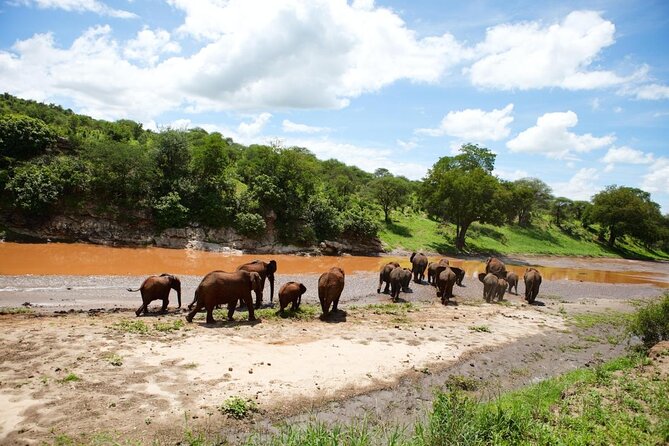
The fourth day continues with game drives in northern Serengeti before turning back toward central Serengeti. In the afternoon, you head toward the Ngorongoro Conservation Area and overnight at Simba Campsite, a few hundred meters from the crater rim.
This day gives you one last chance to search the northern Serengeti before leaving the migration zone. It also breaks up the return journey, rather than forcing you to travel all the way from northern Serengeti to Arusha in one stretch.
The location near the crater rim is useful for the next morning. You do not have to make the entire approach from central Serengeti before descending into Ngorongoro. You sleep close to the final park visit, although campsite accommodation is basic by nature.
This is also where the itinerary can feel compressed. You are moving from the north to central Serengeti and then toward Ngorongoro in one day. If you want several days in one region, or time for quiet camp mornings, a longer safari would suit you better.
Day 5: Ngorongoro Crater and the return to Arusha
After an early breakfast, you descend into Ngorongoro Crater for a game drive with a picnic lunch. The crater floor has permanent water and grazing supplies, so wildlife remains in the area throughout the year.
That makes Ngorongoro a strong final stop. The migration is seasonal and mobile, but the crater offers dependable game viewing in every season. You can spend the morning looking for resident wildlife before the afternoon drive back to Arusha.
The crater is also a change of scale from the Serengeti. Instead of following animals across a wide open route, you are viewing wildlife within a dramatic natural bowl. The World Heritage Site setting adds to the day, but the value is practical too: this is the tour’s most reliable wildlife stop if the migration has moved elsewhere.
The scheduled day lasts about six hours. Since you have already spent several days on the road, the shorter final day is welcome. The return to Arusha comes in the afternoon, and the activity ends back at the original meeting point.
Camping, meals, and what the price covers
The listed price is $1,990 per person. That is a substantial sum, but the package includes the major costs that can quickly add up on safari:
- Park fees
- All listed activities
- Campsite accommodation
- Camping equipment
- Sleeping bag
- Professional driver-guide
- Meals and drinking water
- Five breakfasts
- Five lunches
- Four dinners
The value depends on what kind of safari you want. If you are happy with camping and want a private five-day route through three major wildlife areas, the inclusions make the price easier to justify. You are not paying separately for park entry, a safari cook, camping gear, or most meals.
The package does not include international flights, visas, personal expenses, or tips for the driver-guide and safari cook. Set aside money for those items before you compare the total cost with other tours.
The accommodation style deserves careful thought. Campsite nights keep the price below many lodge-based safaris, but they also mean fewer comforts and less privacy than a permanent lodge. The supplied sleeping bag helps, and camping equipment is included, but you should choose this trip because you are comfortable with a basic outdoor setup.
The guide and the private group format
A professional guide is included, with English, Spanish, or French available. No individual guide name is supplied, so you should confirm your preferred language and the guide arrangements before paying.
A private trip gives you control over the group itself. Only your party participates, which is helpful if you want to set the pace, make reasonable photo stops, or keep the early morning routine simple.
The team also includes a safari cook, and the food is covered throughout the trip. The strongest practical praise attached to this safari concerns the organization, kindness of the team, and quality of the meals. That matters on a camping route, where good food and dependable daily routines make a real difference.
You should still ask any questions about the vehicle, campsite setup, and exact accommodation before departure. Those details are not specified here, and they can shape your comfort more than the park names do.
Who will get the most from this safari
I would recommend this trip to you if you want a focused first safari and place a high value on seeing several famous areas in a short period. It is especially suited to people who want the Great Migration to guide the route, but also want Tarangire and Ngorongoro as dependable additions.
It also fits couples and small private groups who prefer not to share a vehicle with other parties. The available French and Spanish guiding may be useful if English is not your first language.
You may want a longer or slower safari if you dislike long drives, want more time at camp, or care more about comfort than coverage. The trip includes long road sections, early starts, and a moving target in the Serengeti. A five-day schedule can show you a lot, but it cannot remove the uncertainty of wildlife or the distances between parks.
Timing, cancellation, and practical details
Pickup is offered from Arusha, and the tour ends back at the meeting point. Confirmation is provided at booking, and the activity is marked as suitable for most participants. Service animals are allowed, and the starting point is near public transportation.
You can cancel for a full refund up to 24 hours before the local start time. Cancellations within 24 hours are not refunded, and changes inside that period are not accepted.
Because the itinerary begins early and includes several long drives, arrive in Arusha with enough time to rest and prepare. Confirm your pickup time, language preference, personal packing needs, and any dietary questions before the first morning.
Should you book this safari?
Book it if you want a private, camping-based safari that combines the migration search with Tarangire and Ngorongoro, and you accept that the best wildlife moments cannot be scheduled. The included park fees, food, equipment, water, and guide make the $1,990 price easier to assess, especially for a group that values a private vehicle and a single organized package.
Think twice if you want luxury lodging, short transfer times, or a guaranteed Mara River crossing. This is an active route with a clear payoff: broad access to northern Tanzania and a serious attempt to find the migrating herds. For the right person, that balance of ambition, value, and uncertainty is exactly what makes a safari feel real.
FAQ
Where does the safari start and end?
The safari starts in Arusha, Tanzania, and ends back at the original meeting point in Arusha.
How long is the safari?
The activity lasts approximately five days and includes four nights of accommodation.
Which parks and protected areas are included?
The route includes Tarangire National Park, Serengeti National Park, the Ngorongoro Conservation Area, and Ngorongoro Crater.
Is the safari private?
Yes. Only your group participates in the activity.
Is pickup offered?
Yes, pickup is offered. The stated starting location is Arusha.
What languages are available for the guide?
The professional driver-guide is available in English, Spanish, or French.
Is camping equipment included?
Yes. Camping equipment and a sleeping bag are included in the package.
Are meals and drinking water included?
Yes. The package includes drinking water, five breakfasts, five lunches, and four dinners.
Are park fees included?
Park fees are included. Admission for the Ngorongoro Crater day is specifically listed as included.
What is not included in the price?
International flights, visas, personal expenses, and tips for the driver-guide and safari cook are not included.
Just added around Arusha
- 8 Days Serengeti Migration safari★ 5.0 · 11 reviews
- tarangire, ngorongoro & lake manyara park 3 days private tour★ 5.0 · 11 reviews
- tarangire & ngorongoro 2 days tour★ 5.0 · 14 reviews
- serengeti, ngorongoro & tarangire 4 days private tour★ 5.0 · 18 reviews
- serengeti & ngorongoro 3 days private tour★ 5.0 · 15 reviews
- Mt. Kilimanjaro: Shira plateau to Cathedral point 3872m Day hike★ 5.0 · 7 reviews
- 2 Days Tanzania Midrange Group Join Safari★ 5.0 · 7 reviews
- climb the KILIMANJARO via Lemosho route★ 5.0 · 4 reviews
5-Day Experiences, compared.


5-Day Highlights mid-Range Crater, Serengeti, Tarangire
Read our review →
5 Days Camping Tarangire, Serengeti & Ngorongoro crater & Visiting Maasai
Read our review →
5-Day Private Northern Tanzania Safari from Arusha
Read our review →
5 Days Best of Tanzania Luxury Safari Northern Circuit
Read our review →
5-Day Private midrange Tour in Arusha with Airport Pickup
Read our review →Browse the lists this tour appears in