
Reviewed · SERENGETI SAFARIS
4 Days Tarangire, Serengeti, Ngorongoro Mid-range Safari
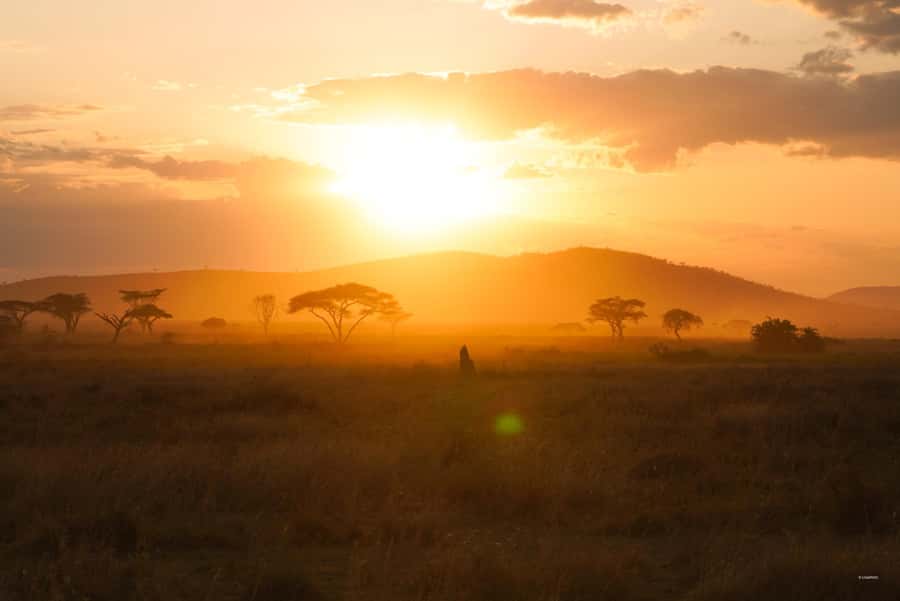
Tarangire gives you elephants under baobab trees, Serengeti opens into huge predator country, and Ngorongoro packs an astonishing amount of wildlife into one volcanic bowl. This four-day route covers three of northern Tanzania’s essential safari areas without asking you to sleep in a basic campsite.
I like the small-group limit of six, since fewer people usually means a better view from the vehicle and less time sorting out group logistics. I also like the practical mix of game drives and comfortable accommodation, including lodges and, depending on the arrangement, tented camps with meals included. Guide Damian is praised for being attentive and for keeping the trip running smoothly.
The trade-off is mileage. You cover a lot of ground in four days, so some stretches are spent in the safari vehicle rather than watching animals. The 10-kilogram luggage limit also takes discipline, and early starts plus cool nights near 5°C call for sensible packing.
Key points to know before booking
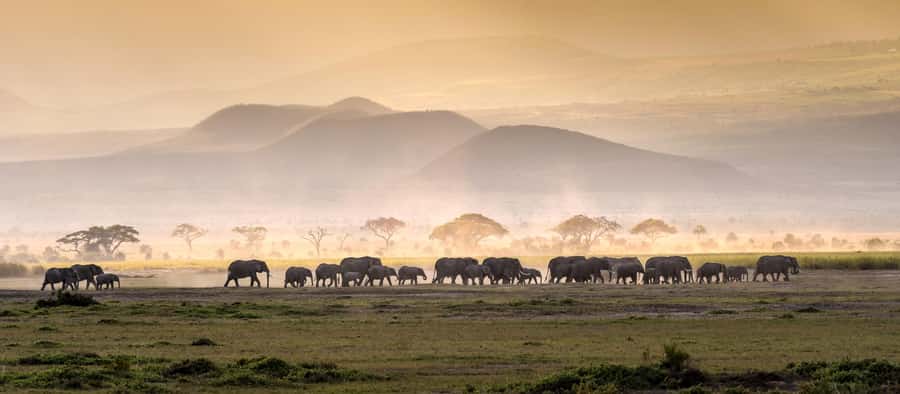
- Tarangire begins with elephants and baobabs: The park gives you a strong first safari day, with morning and afternoon wildlife viewing.
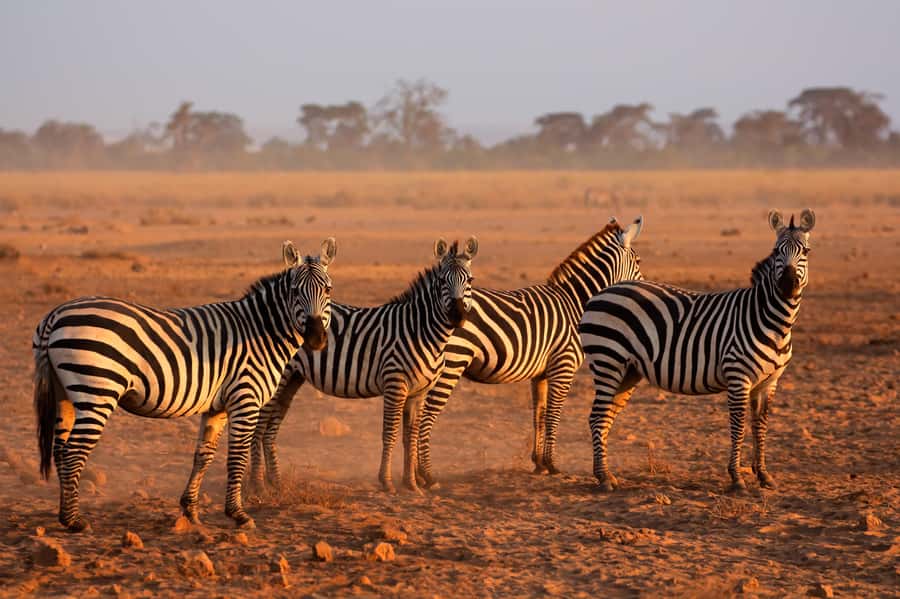
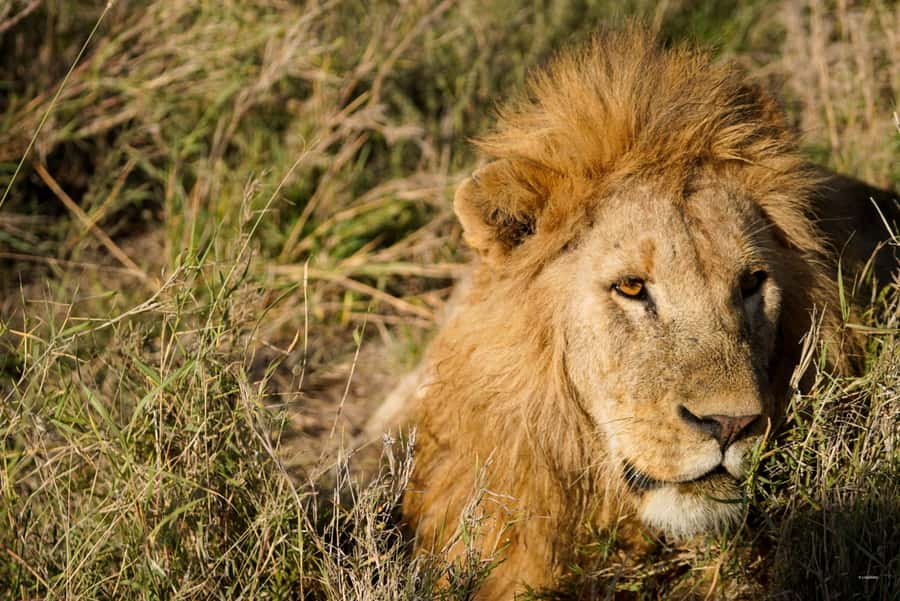
- Serengeti is the main predator stage: Lions, cheetahs, zebras, and many other animals may appear across the open plains.
- Ngorongoro offers compact wildlife viewing: The crater is a UNESCO World Heritage site and a strong place to look for the Big Five.
- Small groups keep the trip personal: The vehicle is limited to six participants, with an English-speaking guide.
- Accommodation is comfortable but varied: Expect lodge stays, with the possibility of tented camps rather than one identical standard every night.
- Pack light and warm: Duffel bags, neutral clothing, a jacket, socks, mosquito repellent, and binoculars are practical choices.
Three great parks in four days
This safari works because each park brings a different setting. Tarangire is known for elephant herds and baobab trees. Serengeti gives you broad plains and classic predator country. Ngorongoro offers a contained crater where wildlife viewing can feel especially concentrated.
You start and finish in Arusha, which makes the route fairly easy to add to a larger Tanzania holiday. The schedule is busy, but it avoids trying to squeeze in extra parks that would make the journey even more rushed.
The trip price is $1,800 per person. That includes a 4×4 safari vehicle, an English-speaking guide, park entrance fees, mineral water, accommodation, and meals during the safari. International and domestic flights, visas, and travel insurance are separate, so add those costs before setting your budget.
For a private luxury safari, this is not the product. For a four-day trip covering three major wildlife areas with park fees and lodging included, the price can make sense, especially if you value a small group and a dedicated safari vehicle. The real question is not simply the daily cost. It is how much you value seeing Tarangire, Serengeti, and Ngorongoro in one short journey.
More Serengeti Safaris in Arusha
- Balloon Safari & Bush Breakfast in Serengeti – Miracle Experience
★ 5.0 · 1,646 reviews - 3 Days Serengeti & Ngorongoro Group Camping Safari
★ 5.0 · 574 reviews - 5-Day Highlights mid-Range Crater, Serengeti, Tarangire
★ 5.0 · 296 reviews
Day 1: Arusha to Tarangire’s baobab country
The first morning starts early in Arusha. A company representative meets you at your accommodation reception with a sign bearing your name, followed by a short introduction before you set off.
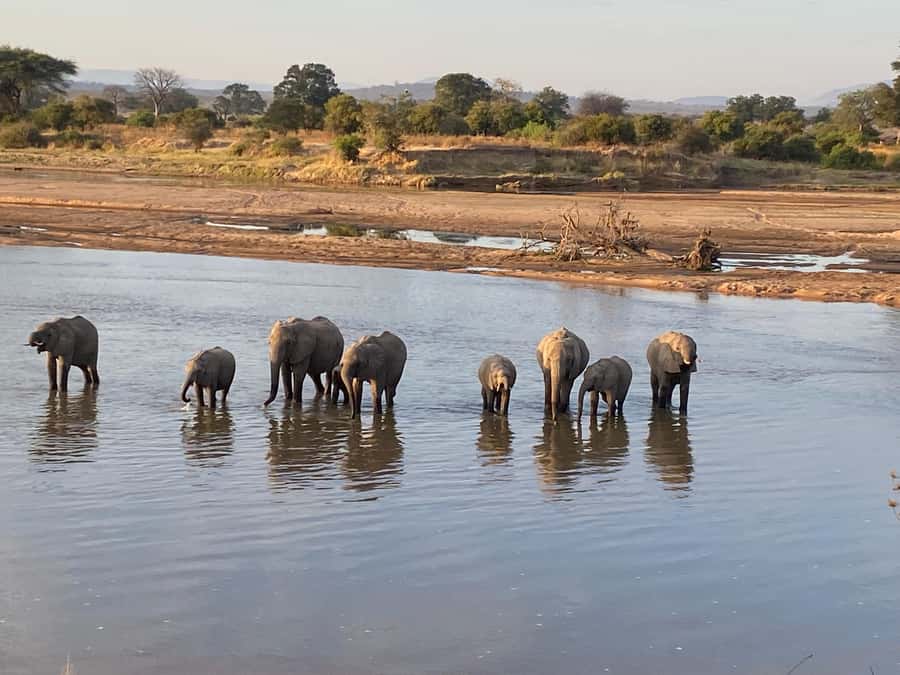
Tarangire is a good opening park because it gives you a clear sense of what northern Tanzania does well. The park is especially known for large elephant herds and its sculptural baobab trees. Those trees give the scenery a strong character, and they make even a quiet stretch of road feel unmistakably African.
You have a game drive on arrival, lunch in the park, and another game drive in the afternoon. That split matters. The morning gives you the cooler part of the day, while the afternoon adds another chance to find animals after lunch.
You might see elephants, along with other wildlife associated with the park, but no safari can promise a particular sighting. The value here is the range of time spent in the park, rather than a quick pass through it.
After the afternoon drive, you go to your accommodation and have time to relax. A lodge gives you a more settled evening than a basic camping setup, though the exact property can vary. Meals are included, and mineral water is provided during the safari.
Day 2: The long road from Tarangire to Serengeti
After breakfast, you travel toward Serengeti National Park. This is one of the days when you need to accept the rhythm of a real safari: wildlife viewing is the reward, but reaching the next park takes time.
The route gives you changing views of Tanzania’s countryside before you enter Serengeti. Exact drive times are not provided, so you should not expect a tightly timed transfer. Road conditions, park entry procedures, and animal sightings can all affect the day.
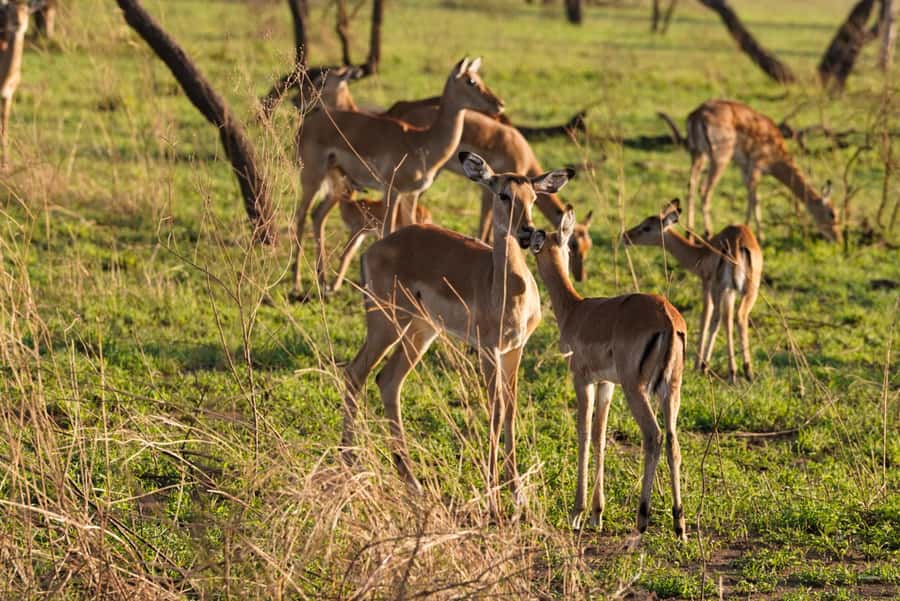
An afternoon game drive begins after arrival. Serengeti is famous for open plains, but the experience is not only about scenery. The broad views help you scan for movement, and the area is known for lions, cheetahs, zebras, and many other animals.
The guide’s role matters here. A good guide helps you read the scene, choose where to pause, and keep an eye on what is happening beyond the nearest animal. Your guide speaks English, and the small group allows questions without turning every stop into a committee meeting.
You spend the night in the park in comfortable accommodation. The arrangements may include a lodge or tented camp. A tented camp is not the same as a hotel room, so ask for the exact accommodation names and facilities before you pay if room style is important to you.
Day 3: Sunrise in Serengeti, then up to Karatu
Day three starts early with a sunrise game drive. This is one of the best uses of your limited time because the plains are waking up, and predators may still be active after the night.
You will need warm layers for this drive. Nighttime temperatures can fall to around 5°C, and an open safari vehicle can feel colder before the sun is up. A sweater, jacket, and socks are not optional luxuries here. They are sensible equipment.
After the morning viewing and lunch, you travel toward the Ngorongoro Highlands and the Karatu area. This transfer takes you away from the Serengeti plains and prepares you for the crater visit the next day.
Day three is less about checking off another park and more about positioning you well for Ngorongoro. That overnight stop is useful because you do not have to make the full return to Arusha after leaving Serengeti before visiting the crater.
It is also the day when the pace may catch up with you. You have already had an early start, long drives, and several game drives. I would keep the evening quiet, eat well, and prepare your clothes and camera gear for the crater.
Same country, a completely different kind of safari:
- Tanzania Classic – 7 Days
★ 5.0 · 1,151 reviews - 4 Days Group Camping Safari
★ 5.0 · 1,101 reviews - 5 Days Group Camping Safari
★ 5.0 · 730 reviews - Materuni Waterfalls, coffee tour & Kikuletwa Hot Springs
★ 5.0 · 643 reviews
Day 4: Ngorongoro Crater and the return to Arusha
The final day takes you into Ngorongoro Crater for a game drive. The crater is a UNESCO World Heritage site, and its enclosed volcanic setting makes it different from the large open areas of Serengeti and Tarangire.
Ngorongoro is known for a high concentration of wildlife and offers the chance to look for the Big Five. The crater is not a guaranteed checklist, but it gives you a strong final morning because animals can be easier to seek within a defined area than across enormous open plains.
You spend the morning viewing wildlife before returning to the crater rim. From there, the vehicle continues to Arusha, with arrival expected in the afternoon.
This final transfer means the four-day schedule can work well for visitors with limited time. It also means the day is not a leisurely finish. You will already have been out for a morning drive, then face the road back to Arusha. If you want a slow final day, add a separate night in Arusha rather than expecting the safari itself to provide one.
What the 4×4 and small group mean for you
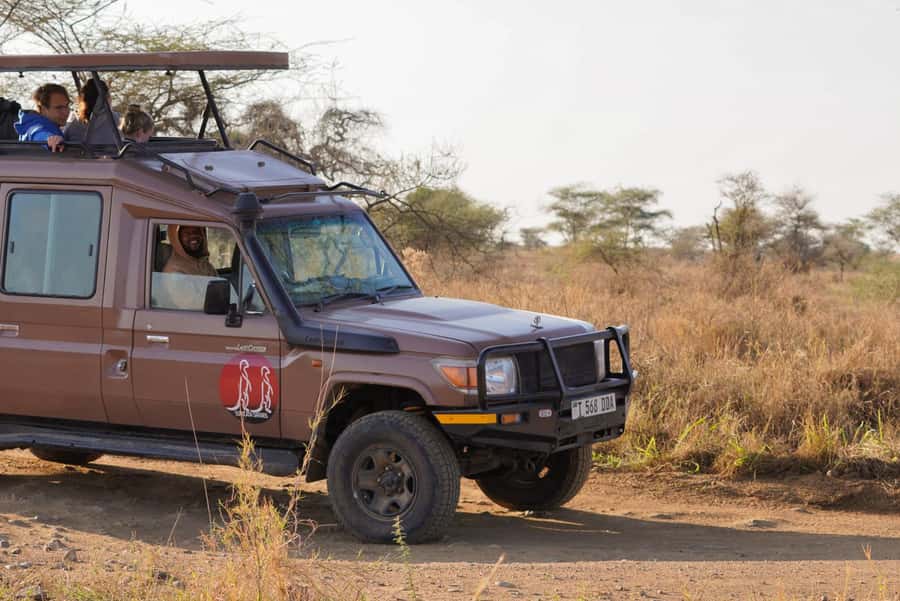
The safari uses a 4×4 vehicle, which is the right basic format for these parks. You are there for animal viewing, not just transport, so vehicle comfort and visibility matter.
The group is limited to six participants. That is small enough to feel more personal while still spreading the cost of the vehicle and guide across several people. It can also help when you need to leave early, stop for a sighting, or ask the guide about animal behavior.
The vehicle includes mineral water, but you should still bring personal essentials such as sunscreen, a hat, and any medication you need. Binoculars are particularly useful. The guide has one pair available to share, but sharing a single pair is less convenient than bringing your own.
The tour is in English. If you want a guide in another language, this activity does not list that option.
Lodges, tented camps, and the comfort level
This is described as a mid-range safari, so think comfort with a practical edge rather than full luxury. Accommodation and meals are included, and the stay can combine a superb lodge with two tented camps.
That mix may be a strength if you want more than a standard hotel experience. Sleeping in a safari tent can keep you closer to the sound and feel of the bush, while a lodge can provide a more conventional place to rest.
It may also be a drawback if you need identical room standards every night. Ask the operator for the confirmed accommodation plan, especially if you have mobility needs, strong preferences about bathrooms, or concerns about tented lodging.
Food is included throughout the safari. One of the strongest practical signs from the available experience is that the vehicle was described as clean, the hotels were well chosen, and the food was good. Those details matter more than glossy promises when you are spending long days on the road.
Packing for cold mornings and a 10-kilogram limit
The luggage limit is 10 kilograms per person. Pack a soft duffel bag rather than a hard suitcase, since flexible luggage is recommended and easier to handle in a safari vehicle.
You can leave extra luggage in your hotel’s storage room. That is helpful if you are carrying a larger suitcase for the rest of your Tanzania trip. Keep the safari bag focused on what you need for four days.
Bring:
- Neutral clothing in white, beige, or green
- A warm sweater and jacket
- Socks for cold sunrise drives
- Mosquito repellent with a high mint concentration
- Sunscreen and a hat
- Personal medicines
- A camera and spare batteries
- Binoculars if you own them
Bright colors are not allowed, and you must not feed or touch animals. Drones are also not permitted. These rules protect wildlife and keep the vehicle experience controlled.
The guide and service make a real difference
A safari can look perfect on paper and still disappoint if the guide is careless or the vehicle is poorly managed. Here, the service record points in the right direction.
Guide Damian is specifically praised for being attentive, while the operating company is described as warm, serious, and reliable. Timings were respected, and the vehicle was kept in good condition. Those are exactly the details I would want on a safari with several transfers.
There was also help when unexpected problems came up. That matters because safari schedules are exposed to road delays, changing animal movements, weather, and other small surprises. You should still expect some flexibility, but responsive staff can prevent a small issue from becoming a ruined day.
The experience carries a 4.7 rating from three reviews, with comments especially favorable about organization, accommodation, food, vehicle condition, and guide care. That is a small sample, so I would treat it as encouraging rather than final proof. The practical pattern is clear, though: service appears to be one of the strongest parts of the package.
Who should book this safari
I would consider this tour a good fit if you want the classic northern Tanzania route but have only four days. It suits first-time safari visitors who want the major names, a guide, meals, park fees, and accommodation arranged in one package.
It also suits couples, friends, and solo visitors who prefer a small group to a private vehicle price. The small-group cap gives you personal service without making the trip as expensive as a fully private safari.
You should think twice if you dislike early mornings, long vehicle transfers, or changing accommodation styles. This is an active itinerary. It is not designed for sleeping late, spending a whole afternoon at one lodge, or avoiding road travel.
The activity is not suitable for wheelchair users, babies under one year, or people over 95. The luggage limit and cold morning conditions also make it less suitable if you need to travel with a large amount of equipment.
Cancellation is free up to 24 hours before the activity for a full refund, and you can reserve now and pay later. Those terms make the booking easier to hold while your wider Tanzania plans take shape, but you should still confirm the starting time and accommodation details before departure.
Should you book the $1,800 safari?
Book it if your priority is seeing Tarangire, Serengeti, and Ngorongoro in a compact, well-organized trip. The included park fees, meals, mineral water, 4×4 transport, guide, and accommodation give the price real substance, and the small group improves the value.
I would not book it if you want a slow safari or a guaranteed luxury standard. Four days is enough for a strong introduction, but it leaves little spare time when roads or wildlife sightings run long.
For most visitors with limited time, this is a sensible northern Tanzania plan. Pack light, bring warm layers, ask for the confirmed camps and lodges, and accept that the road between parks is part of the experience. If those conditions suit you, this safari offers a practical route through three of Tanzania’s most important wildlife areas.
FAQ
How long is the safari?
The safari lasts four days and starts and ends in Arusha.
Which parks are included?
The route includes Tarangire National Park, Serengeti National Park, and Ngorongoro Crater.
Is transportation included?
Yes. Transportation is provided in a 4×4 safari vehicle.
Is a guide included?
Yes. An English-speaking professional guide accompanies the safari.
How many people are in the group?
The group is limited to six participants.
What should I pack for the safari?
Pack neutral-colored clothing, a warm sweater, socks, a jacket, mosquito repellent with a high mint concentration, and a duffel bag. The luggage limit is 10 kilograms per person.
More Tarangire National Park Safaris in Arusha
- Private 6-Day Tarangire Manyara Crater and Serengeti with Mid-Range Lodges
★ 5.0 · 238 reviews - 4 Days Tarangire Serengeti Ngorongoro Crater
★ 5.0 · 117 reviews - 3 Days Tarangire, Ngorongoro & Lake Manyara Group Camping Safari
★ 5.0 · 102 reviews - Tarangire Day Tour
★ 5.0 · 95 reviews
More Ngorongoro Crater Tours in Arusha
- 5 Days Camping Tarangire, Serengeti & Ngorongoro crater & Visiting Maasai
★ 5.0 · 229 reviews - 4 Days Join Group tour Tarangire Serengeti and Ngorongoro crater
★ 5.0 · 219 reviews - 4-Day Safari from Arusha: Tarangire, Serengeti and Ngorongoro
★ 5.0 · 173 reviews - 2 Days Tarangire and Ngorongoro Group Camping Safari
★ 5.0 · 146 reviews
Just added around Arusha
- 8 Days Serengeti Migration safari★ 5.0 · 11 reviews
- tarangire, ngorongoro & lake manyara park 3 days private tour★ 5.0 · 11 reviews
- tarangire & ngorongoro 2 days tour★ 5.0 · 14 reviews
- serengeti, ngorongoro & tarangire 4 days private tour★ 5.0 · 18 reviews
- serengeti & ngorongoro 3 days private tour★ 5.0 · 15 reviews
- Mt. Kilimanjaro: Shira plateau to Cathedral point 3872m Day hike★ 5.0 · 7 reviews
- 2 Days Tanzania Midrange Group Join Safari★ 5.0 · 7 reviews
- climb the KILIMANJARO via Lemosho route★ 5.0 · 4 reviews
Serengeti Safaris, compared.

Serengeti Balloon Safari and authentic bush breakfast
Read our review →
3 Days Serengeti & Ngorongoro Group Camping Safari
Read our review →
5-Day Highlights mid-Range Crater, Serengeti, Tarangire
Read our review →


Private 6-Day Tarangire Manyara Crater and Serengeti with Mid-Range Lodges
Read our review →
5 Days Camping Tarangire, Serengeti & Ngorongoro crater & Visiting Maasai
Read our review →
4 Days Join Group tour Tarangire Serengeti and Ngorongoro crater
Read our review →Browse the lists this tour appears in