
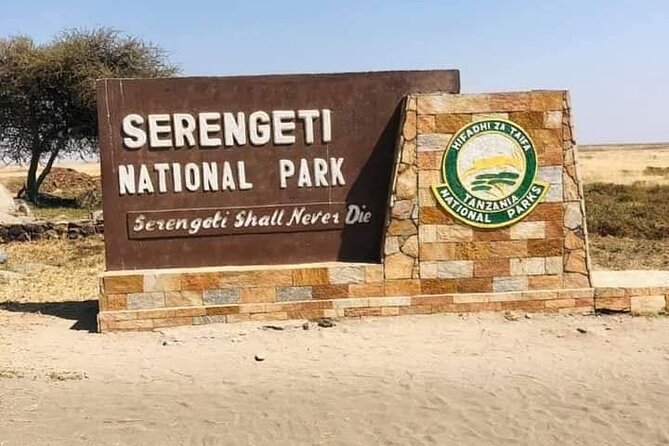
Reviewed · SERENGETI SAFARIS
4 Days /3 nights Tarangire, Serengeti and Ngorongoro crater
Tarangire’s giant baobabs and large elephant population make a strong opening to this four-day Tanzania safari. You then move into the Serengeti’s open plains before ending with a game drive inside Ngorongoro Crater, where the animal count can reach about 30,000.
I like the compact route: you see three of northern Tanzania’s biggest names without adding extra hotel nights. I also like the small maximum group of six, plus the careful pre-trip planning associated with Adam, who answers questions and adjusts the days around your interests. The main drawback is the pace. Long drives connect the parks, and the final crater visit comes after two full days on the road.
Key points to know before booking
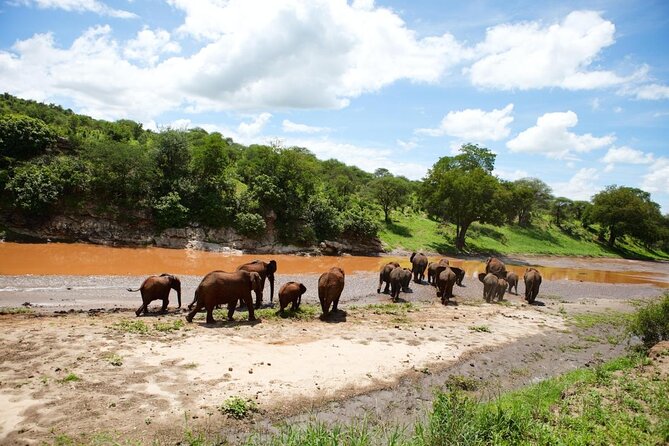
- Tarangire begins with elephants and baobabs: The park is known for huge elephant groups and trees that help make its scenery distinctive.
- Serengeti includes the Seronera area: This central zone has the Seronera River, a key water source that draws a wide range of wildlife.
- Ngorongoro Crater is the finale: You descend for a full-day game drive, with a picnic lunch on the crater floor.
- The group is limited to six people: That gives you a more personal setup than a large coach tour.
- Meals are built into the price: You receive three breakfasts, three dinners, and four lunches.
- The rate is $980 per person: Pickup is offered, mobile tickets are available, and free cancellation applies up to 24 hours before departure.
Why this route works in four days
This safari follows a sensible north Tanzania circuit from Arusha. Tarangire gives you a first full day among elephants and baobabs. Day two shifts to Serengeti, with a stop through the highlands and Ngorongoro Conservation Area. Day three takes you toward the crater, and day four is reserved for the crater floor before the return to Arusha.
That order gives each park a different role. Tarangire is especially strong for elephants and unusual trees. Serengeti gives you wide views and the feeling of open country. Ngorongoro concentrates many animals into a much smaller setting.
You should know what this schedule does not do. It is not a slow safari with several nights in every park. The itinerary includes substantial driving, and your time in Serengeti is limited compared with a longer five or seven-day trip. Still, if you have only four days and want the classic trio, the route covers a lot of ground.
The maximum group size of six is important here. A smaller vehicle group can make long drives more manageable, and it gives you a better chance to discuss timing and animal sightings with the guide. The advertised information does not specify the vehicle type, so ask about that before paying if transport comfort matters to you.
More Serengeti Safaris in Arusha
- Balloon Safari & Bush Breakfast in Serengeti – Miracle Experience
★ 5.0 · 1,646 reviews - 3 Days Serengeti & Ngorongoro Group Camping Safari
★ 5.0 · 574 reviews - 5-Day Highlights mid-Range Crater, Serengeti, Tarangire
★ 5.0 · 296 reviews
Day one: Tarangire’s elephants beneath the baobabs
After breakfast, you head from Arusha toward Tarangire National Park. The day includes a full game drive and a picnic lunch in the park, followed by a late-afternoon drive to the campsite for dinner and overnight accommodation.
Tarangire is not simply a warm-up park. It is known for its large elephant population, with an annual movement that can include up to 3,000 elephants, 25,000 wildebeest, and 30,000 zebras. Those figures describe the wider seasonal cycle, not a promise that you will see every animal in one afternoon, but they explain why the park has such a strong reputation for elephant watching.
The baobab trees are another reason to pay attention between sightings. Their thick trunks and unusual shapes give the park a character different from Serengeti. The trees also provide food for elephants, helping explain the connection between Tarangire’s plant life and its famous herds.
With roughly seven hours assigned to the day, you get time to look for more than elephants. Wildebeest and zebra are part of the park’s moving animal population, and you may find other species during the drive. The value here comes from having a full day rather than a short stop on the way to another park.
The practical tradeoff is the heat and road time. A picnic lunch keeps the schedule inside the park, but it also means you spend most of the day outdoors. Comfortable clothing, sun protection, and patience will matter more than trying to rush from one sighting to the next.
Day two: From Karatu highlands to the Seronera River
Day two begins with breakfast and a drive toward Serengeti. The route passes through the high farmland around Karatu and the Ngorongoro Conservation Area before dropping toward the park’s open plains.
The change in scenery is part of the experience. You leave the higher country behind and enter the broad Serengeti, where the view stretches far into the distance. This is the day when the safari feels less like a series of isolated animal sightings and more like a journey through a huge natural system.
The planned focus is the central Serengeti, especially the Seronera area. The Seronera River supplies water and attracts animals, making this one of the more productive parts of the park. You arrive around lunchtime, then continue with an afternoon game drive.
That timing has a clear advantage: you see the Serengeti during an afternoon drive rather than only crossing it in transit. The open country may reveal animals at a distance, and the river area gives the guide a useful place to search for wildlife.
It is also the longest-feeling transfer day. The schedule allows about seven hours, and the route includes both highlands and park roads. If you prefer a relaxed safari with long periods at one camp, this plan may feel rushed. If you want to reach the Serengeti on a four-day schedule, the travel is the price of admission.
Dinner and overnight accommodation are at a campsite. The supplied details do not specify the campsite name or whether tents are permanent or mobile, so ask for those particulars if sleeping arrangements are a major concern. You should also confirm what facilities are available before departure.
Day three: Leaving Serengeti for Ngorongoro
After breakfast, you take a morning game drive before leaving for Ngorongoro with packed lunch. The route includes game viewing along the way, then continues to the campsite for dinner and overnight accommodation.
This morning matters because it gives you one more chance to see the Serengeti before the route changes. You are not simply checking out and driving away. The plan allows time for wildlife viewing, though the exact length of the morning drive is not stated.
The journey to Ngorongoro is also part of the appeal. You move from Serengeti’s wide plains toward the crater region, with another shift in terrain and scenery. The day is listed at about six hours, which makes it shorter than the previous transfer but still substantial.
The schedule can be read in two ways. For a short safari, it is efficient because you get a final Serengeti drive and position yourself for the crater. On the other hand, you do not spend a second full night in Serengeti, so anyone focused on extended wildlife time there may want a longer program.
Dinner and overnight accommodation are again at a campsite. Three dinners are included across the trip, along with three breakfasts and four lunches. Since lunch is supplied every day, you do not need to plan separate restaurant stops during the safari portion.
Same country, a completely different kind of safari:
- Tanzania Classic – 7 Days
★ 5.0 · 1,151 reviews - 4 Days Group Camping Safari
★ 5.0 · 1,101 reviews - 5 Days Group Camping Safari
★ 5.0 · 730 reviews - Materuni Waterfalls, coffee tour & Kikuletwa Hot Springs
★ 5.0 · 643 reviews
Day four: The crater floor and the return to Arusha
Day four starts with breakfast, then you descend into Ngorongoro Crater with a lunch box for a full-day game drive. Lunch is taken on the crater floor, and the late afternoon is spent driving back to Arusha, with arrival expected around 5 p.m.
Ngorongoro is a dramatic final stop because the crater gathers an exceptional range of wildlife into a contained setting. The area supports an estimated 30,000 animals, including wildebeest, zebra, buffalo, eland, warthog, hippo, and African elephants.
You may also search for predators such as lions, hyenas, jackals, cheetahs, and leopards. Black rhino are among the crater’s most important possible sightings. No safari can guarantee a particular animal, but the crater’s year-round water and grazing help explain why the game drive can be so productive.
Lake Magadi is another named point of interest. The itinerary specifically highlights buffalo, gazelle, zebra, and flamingo around the lake. That gives the day more variety than a simple drive around the crater rim.
The full-day timing is a real strength. You have room for repeated stops and different parts of the crater rather than a quick descent followed by an immediate exit. The drawback is the return to Arusha afterward. A crater drive followed by several hours on the road makes this a long closing day, especially if you have an evening flight.
For that reason, I would not schedule a flight too close to the expected 5 p.m. arrival. The tour information gives an approximate return time, not a guarantee, and game drives and road conditions can affect the day.
Guide support and the small-group setup
The strongest service detail attached to this safari is the pre-trip communication. Adam is described as answering questions, explaining the plan, and putting effort into arranging the days around your interests. Communication through WhatsApp is also part of the planning experience.
That can make a real difference in Tanzania, where a safari involves several parks, campsites, meals, park access, and long drives. You should use that contact before departure to clarify the campsite standard, vehicle details, pickup point, and the exact meeting time.
The driver-guide role is central to the quality of a safari. The available information describes the guide as a very capable driver and a strong source of information about the parks. It also records careful driving as an important part of the experience. That matters on rough park roads, where comfort and safe pacing affect your enjoyment as much as the animal sightings.
The group maximum is six people. That is small enough to keep the trip from feeling like a mass tour, but you should still remember that you share decisions with other people. If you want complete control over every stop, a private departure would be worth asking about, though no private option is stated here.
What the $980 price covers
At $980 per person, this is not a bare-bones day trip. It includes four lunches, three breakfasts, and three dinners, along with three nights of campsite accommodation. The route also covers three major parks and return transport to Arusha.
The price looks strongest for someone who wants the classic northern circuit without arranging meals and lodging separately. You are paying for a ready-made route, a driver-guide, park access as specified, and the convenience of moving between parks in one organized plan.
The exact value depends on the campsite standard and what is included in the vehicle arrangement. Those details are not provided, so I would ask for them in writing. Also clarify whether any park or conservation fees beyond the listed inclusions are expected, since the daily schedule marks admission differently from one day to another.
Airfare and travel insurance are not included. You must budget for both separately, and you should not treat the approximate 5 p.m. Arusha arrival as a firm airport transfer time.
Who will get the most from this safari
This trip suits you if you have four days, want to see the best-known parks around Arusha, and prefer a small group. It is also a good fit if elephants, broad Serengeti views, and a high chance of seeing many species in Ngorongoro are your main goals.
Families and first-time safari visitors may appreciate the clear route and included meals. The supplied information says most people can participate, and the small group can make the experience easier to manage than a large departure.
You may want another option if you dislike long road transfers, need luxury lodging, or want to spend several days in one park. The campsite details are limited, and the pace is active. Anyone with mobility concerns should ask the operator for specific information before booking, since the general participation note does not explain vehicle access or campsite conditions.
Practical details to settle before departure
Pickup is offered, and a mobile ticket is available. The listed operating hours run Monday through Sunday, from 8:00 a.m. to 10:30 a.m., but you should confirm your actual pickup time because the safari itself begins with breakfast and an early travel schedule may apply.
Confirmation is received at booking. Public transportation is nearby, though the safari provides pickup, so that detail may matter mainly if you need to reach the meeting point independently.
Free cancellation is available if you cancel at least 24 hours before the local start time. Changes or cancellations inside that 24-hour window are not accepted for a refund. I would make sure your arrival in Arusha is secure before the cutoff, since missing the start could be costly.
Should you book the Tarangire, Serengeti, and Ngorongoro route?
I would book this safari if you want a focused first taste of northern Tanzania and value a small group, included meals, and help planning the details. The combination of Tarangire elephants, central Serengeti, and a full Ngorongoro game drive gives you three very different settings in only four days.
I would pause if your priority is comfort, unhurried travel, or a long stay in Serengeti. Before paying, ask Adam about the vehicle, campsite facilities, park fees, and the expected driving time on each day.
At $980 per person, the trip offers solid value for a compact, meal-inclusive safari, provided you are comfortable with the road time and campsite format. It is best for an active schedule that puts variety ahead of lingering in one place.
FAQ
How long is the safari?
The experience lasts four days and includes three nights of accommodation.
Where does the safari begin?
The safari is based in Arusha, Tanzania, and pickup is offered.
Which national parks are included?
The route includes Tarangire National Park, Serengeti National Park, and Ngorongoro Crater.
How many people can join the tour?
The maximum group size is six people.
Is food included?
Yes. The package includes three breakfasts, three dinners, and four lunches.
Is lunch provided on every day?
Yes. Four lunches are included for the four-day program, including picnic or packed lunches during the park drives.
What animals might I see in Tarangire?
Tarangire is known for elephants, and the wider annual cycle can include wildebeest and zebras. Baobab trees are also a major feature of the park.
What is special about the Seronera area?
Seronera is in central Serengeti and includes the Seronera River, a water source that attracts wildlife.
What happens at Ngorongoro Crater?
You descend into the crater for a full-day game drive, eat a picnic lunch on the crater floor, and may see buffalo, gazelle, zebra, flamingo, elephants, predators, and possibly black rhino.
Is cancellation free?
Yes, you can cancel for a full refund up to 24 hours before the experience start time. Cancellations or changes made less than 24 hours before the start are not accepted for a refund.
More Tarangire National Park Safaris in Arusha
- Private 6-Day Tarangire Manyara Crater and Serengeti with Mid-Range Lodges
★ 5.0 · 238 reviews - 4 Days Tarangire Serengeti Ngorongoro Crater
★ 5.0 · 117 reviews - 3 Days Tarangire, Ngorongoro & Lake Manyara Group Camping Safari
★ 5.0 · 102 reviews - Tarangire Day Tour
★ 5.0 · 95 reviews
More Ngorongoro Crater Tours in Arusha
- 5 Days Camping Tarangire, Serengeti & Ngorongoro crater & Visiting Maasai
★ 5.0 · 229 reviews - 4 Days Join Group tour Tarangire Serengeti and Ngorongoro crater
★ 5.0 · 219 reviews - 4-Day Safari from Arusha: Tarangire, Serengeti and Ngorongoro
★ 5.0 · 173 reviews - 2 Days Tarangire and Ngorongoro Group Camping Safari
★ 5.0 · 146 reviews
Just added around Arusha
- 8 Days Serengeti Migration safari★ 5.0 · 11 reviews
- tarangire, ngorongoro & lake manyara park 3 days private tour★ 5.0 · 11 reviews
- tarangire & ngorongoro 2 days tour★ 5.0 · 14 reviews
- Mt. Kilimanjaro: Shira plateau to Cathedral point 3872m Day hike★ 5.0 · 7 reviews
- serengeti, ngorongoro & tarangire 4 days private tour★ 5.0 · 18 reviews
- serengeti & ngorongoro 3 days private tour★ 5.0 · 15 reviews
- 2 Days Tanzania Midrange Group Join Safari★ 5.0 · 7 reviews
- climb the KILIMANJARO via Lemosho route★ 5.0 · 4 reviews
Serengeti Safaris, compared.

Serengeti Balloon Safari and authentic bush breakfast
Read our review →
3 Days Serengeti & Ngorongoro Group Camping Safari
Read our review →
5-Day Highlights mid-Range Crater, Serengeti, Tarangire
Read our review →


Private 6-Day Tarangire Manyara Crater and Serengeti with Mid-Range Lodges
Read our review →
5 Days Camping Tarangire, Serengeti & Ngorongoro crater & Visiting Maasai
Read our review →
4 Days Join Group tour Tarangire Serengeti and Ngorongoro crater
Read our review →Browse the lists this tour appears in