
Reviewed · 3-DAY EXPERIENCES
3 Days Tanzania Safari
Tarangire’s giant baobabs, Ngorongoro’s crater floor, and Lake Manyara’s bird-filled shoreline make this three-day route a strong first safari from Arusha. You get three very different parks without committing a full week, and the 4×4 pop-up roof gives you a good view when elephants, zebra, buffalo, or lions appear.
I like the well-chosen park mix and the practical extras: bottled water, field guidebook, binoculars, park fees, meals, and emergency evacuation insurance are included. I also like the private format, since your group alone takes part. The main drawback is the pace. Seven-hour game-drive days and long road transfers leave little room for a slow morning or extra time in one park.
Quick reasons to consider this safari
- Three distinct wildlife settings: See baobab country in Tarangire, the enclosed wildlife world of Ngorongoro Crater, and Rift Valley scenery at Lake Manyara.
- A private vehicle for your group: You are not placed with unknown people, and the guide can focus on your party’s interests.
- Camping with useful safari equipment: The package includes two nights of accommodation, a 4×4 with a pop-up roof, binoculars, and a bird and animal field guide.
- Guides with strong personal reputations: Nyange’s safari team includes guides such as Roger, Alan, Francis, Rashid, Edwin, Joshua, and Richard Moshi. Your assigned guide is not specified in advance.
- A clear price with many major costs covered: At $1,038.47 per person, park fees, meals, taxes, water, and guide service are included.
- Easy return options on the final day: You can finish in Arusha, Moshi, or at Kilimanjaro Airport, though airport transfers before or after the safari cost extra.
What this three-day route gets right
A short safari needs a smart plan. This one uses three parks that feel different enough to avoid repetition, while keeping the route within Tanzania’s Northern Circuit around Arusha. You move from dry woodland and baobabs to a volcanic crater, then finish beside a Rift Valley lake.
The route also works well for a first visit. You have a fair chance of seeing large mammals, plenty of scenery, and a broad introduction to birdlife. The parks are not interchangeable, and that is the real strength here.
The private format matters more than it may sound. You share the vehicle only with your own party, so you can ask questions, spend longer watching an animal, or request a change in focus when practical. The company’s guides are repeatedly praised for their patience, warmth, animal knowledge, and driving skill. Roger, Alan, Francis, Rashid, Edwin, Joshua, and Richard Moshi are among the guides connected with past safari arrangements, but you should confirm who will lead your trip before booking.
The rating supplied for the experience is 4.8 from 20 reviews, with 95 percent recommending it. That is a useful signal, but it does not erase the one clear concern raised in the feedback: safari quality depends heavily on the guide, vehicle, camp arrangements, and communication. Ask for those details in writing before you pay.
A few more Arusha trips to weigh up
- Balloon Safari & Bush Breakfast in Serengeti – Miracle Experience
★ 5.0 · 1,646 reviews - 4 Days Group Camping Safari
★ 5.0 · 1,101 reviews - 5 Days Group Camping Safari
★ 5.0 · 730 reviews
Day 1: Tarangire’s baobabs and elephant country
Your morning begins with pickup from Mount Meru Hotel in Arusha. From there, you drive to Tarangire National Park for an afternoon game drive and picnic lunch.
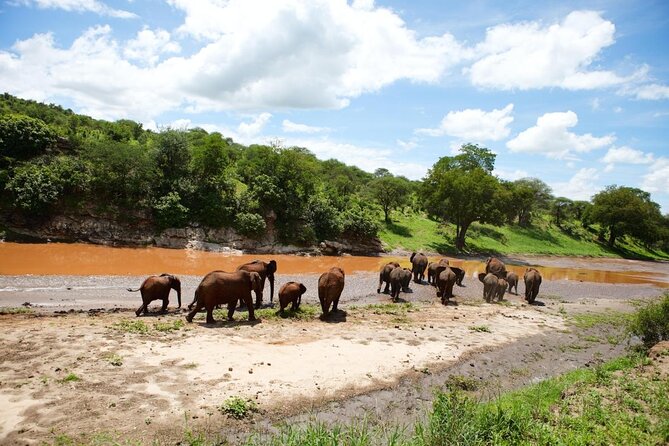
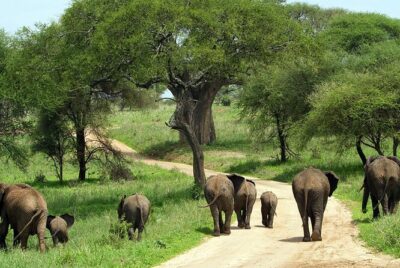
Tarangire is a fine opening act because it looks unlike the other two parks. Its vegetation is relatively sparse, and enormous baobab trees give the park a distinctive shape. During dry periods, elephants search near dry riverbeds for underground water, while shrinking lagoons draw wildebeest, zebra, and buffalo.
You might see large elephant groups here, with herds sometimes reaching around 300 animals. That number is an estimate of what the park can hold, not a promise for your drive. Wildlife sightings always depend on season, water, and luck, but Tarangire gives you a good setting for elephant viewing.
The listed stop lasts about seven hours. That includes the park visit and game-driving time, not simply seven hours of watching animals from one spot. Bring patience. A safari vehicle may spend time waiting quietly, moving between sightings, or searching a broad area for wildlife.
The pop-up roof is a practical advantage. It lets you stand or sit higher for a wider view and makes it easier to photograph animals without looking through a side window. Binoculars and the supplied field guidebook are also useful, especially when your guide points out birds or distant animals.
Your picnic lunch is included. Coffee or tea, bottled water, and the listed meals are part of the package, so you do not need to organize food stops during the park visit. Still, keep personal snacks if you like to eat between scheduled meals, since the supplied information does not describe snack service.
Tarangire is also the day most likely to feel long. You are picked up in the morning, drive out from Arusha, spend the afternoon in the park, and then continue toward your overnight camp. That makes comfortable clothes, sun protection, and a small day bag worthwhile.
Day 2: Down into Ngorongoro Crater
Day two starts early. You descend about 600 meters from the crater rim to the floor of Ngorongoro Crater, a dramatic change in elevation and one of the defining moments of the trip.
The crater is a UNESCO World Heritage Site and one of Africa’s best-known wildlife areas. Its enclosed setting can make animal viewing feel concentrated and rewarding. You may see large mammals at relatively close range, and there is a chance of spotting the endangered black rhino.
The word chance matters. A rhino sighting is never guaranteed, and no responsible guide can promise one. The same applies to the Big Five. Several past safari parties connected with Nyange reported seeing all five, but your result will depend on conditions and timing.
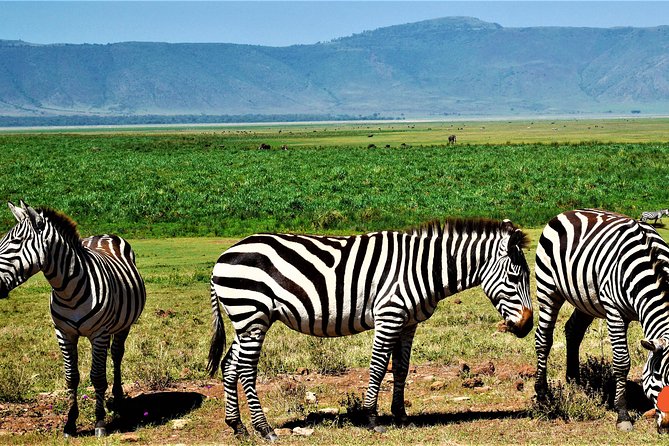
Ngorongoro is valuable because it gives you a compact wildlife day after the more open spaces of Tarangire. The crater floor offers a different sense of place: instead of scanning wide woodland, you are inside a vast natural bowl with steep walls around you.
The day is listed at about seven hours. Since it begins early and involves a descent, game viewing, and the return route, expect a full day rather than a gentle excursion. You should have a moderate level of physical fitness, although the main activity is vehicle-based rather than a strenuous hike.
Camping adds to the sense of being close to the parks, but it may not suit everyone. You receive two nights of accommodation, yet the exact camp standard, tent setup, bedding, and bathroom arrangements are not stated. If you need a specific level of comfort, ask before booking. Some people enjoy the simplicity and outdoor feeling; others would prefer a lodge after two long safari days.
Food is included according to the itinerary, with breakfast, lunch, and dinner listed. Vegetarian meals are available if you request them at booking. Tell the company about dietary needs early, since the information only confirms the vegetarian option and does not promise other special diets.
Day 3: Lake Manyara and a bird-filled finish
On the third morning, you drive to Lake Manyara National Park in the Great Rift Valley. The park is smaller in feel than the open spaces of Tarangire and the crater, but it packs in a different mix of scenery and wildlife.
Lake Manyara is known for tree-climbing lions and its soda-ash lake. A lion in a tree is not guaranteed, but the possibility gives the game drive a particular focus. Keep your eyes up as well as down. The supplied binoculars can help with both animals and birds.
Birdlife is a major reason to include this park. The lake’s shores can attract pink flamingos, and more than 400 bird species have been recorded in the park, including waterfowl and migrant birds. You do not need to be a serious birder to enjoy it. The variety simply adds movement and color to the final day.
The visit lasts about six hours, followed by the drive back to Arusha, Moshi, or Kilimanjaro Airport. This makes the final day useful for people with onward plans, but you should confirm your departure time carefully. The safari does not include pre- or post-trip accommodation or airport transfers, although those services can be arranged on request.
Lake Manyara may feel like the quickest stop of the three, particularly if road conditions or your onward schedule affect the timing. Its value is variety rather than a guaranteed headline sighting. You finish with forest, lake, birds, and the chance of tree-climbing lions instead of repeating another open-country game drive.
Same country, a completely different kind of safari:
- Tanzania Classic – 7 Days
★ 5.0 · 1,151 reviews - Materuni Waterfalls, coffee tour & Kikuletwa Hot Springs
★ 5.0 · 643 reviews - 3 Days Serengeti & Ngorongoro Group Camping Safari
★ 5.0 · 574 reviews - 7-Day Premium Luxury Tanzania Safari All-Inclusive
★ 5.0 · 426 reviews
The vehicle, guide, and pace
The safari uses a 4×4 vehicle with a pop-up roof and unlimited mileage. That last point gives the guide freedom to cover the park roads without counting each kilometer as an extra charge. It does not mean you can add unlimited detours or extend the tour beyond three days.
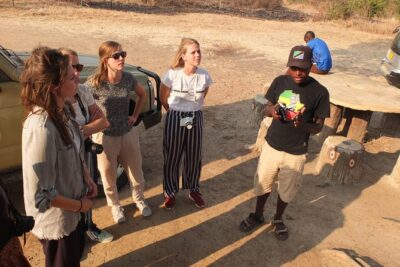
Your guide is central to the experience. A good guide explains animal behavior, reads the road, knows when to wait, and keeps the day comfortable. The strongest comments about Nyange’s staff focus on guides being friendly, patient, thoughtful, and able to teach about wildlife and the environment. Some people also returned to the company for a Kilimanjaro day hike or other activities, which suggests the company can handle more than one type of trip.
Still, do not assume a particular guide based on a name you have heard. Ask who is assigned, how many people will be in your private group, and what happens if the named guide is unavailable.
The pace is active. The itinerary lists roughly seven hours on the first two days and six on the third. Add road time, early starts, meals, and camp routines, and you have a busy schedule. I would recommend it for people who want to see a lot in a short visit, not for anyone hoping to spend long afternoons resting at camp.
What the $1,038.47 price really covers
At $1,038.47 per person, this is not a cheap add-on, but safari costs build quickly. The price includes two nights of accommodation, national park fees, a professional guide, a private 4×4 with a pop-up roof, emergency evacuation insurance, government taxes, bottled water, coffee or tea, and meals listed for the trip.
You also receive binoculars and a bird and animal field guidebook. Those are small items, but they improve the experience and save you from renting or buying equipment at the last minute.
The price does not include personal items, visas, alcoholic drinks, travel insurance, gratuities, pre- or post-safari accommodation, or airport transfers before and after the trip. Visa arrangements are your responsibility, and the supplied information says a visa must be obtained at the border or airport.
Tipping deserves planning. The stated industry recommendation is $15 per day for the cook and $20 per day for the guide, divided by everyone in the vehicle. For a private group of two, that works out differently than for a private group of six, so calculate it before you leave home. Tips are not part of the listed price.
Group discounts are available, which can improve the value for families or friends booking together. The private setup also makes the price easier to justify for a small group that wants control over the vehicle and schedule.
Camping, meals, and what to pack
The trip includes two nights of accommodation while camping. The description does not provide the camp names or detailed facilities, so ask about tent size, toilets, showers, bedding, and electricity if those details matter to you.
Meals are supplied according to the itinerary, and the package lists four lunches, three dinners, and four breakfasts. That count appears broader than the three-day outline, so confirm exactly which meals are provided on your departure and return days.
Pack light but prepare for dust, sun, and changing temperatures. Useful items include:
- A camera with a strong optical zoom
- Binoculars, even though a pair is supplied
- Sun protection and a hat
- Insect repellent containing DEET
- Comfortable clothes for long vehicle rides
- Personal toiletries and any required medication
- A small amount for guide and cook tips
- Your visa and travel documents
A camera with a 60x optical zoom was specifically recommended in the supplied practical advice. That kind of reach can help with distant animals and birds, though the guide’s binoculars give you a second way to watch without staring at a screen.
Who should book this safari?
This trip suits a first-time safari visitor with only three days available around Arusha. It also works well for couples, families, and friends who want a private vehicle and do not want to join a mixed group.
Families can benefit from the private setup, since the group can ask for breaks or adjust attention to children’s interests when the schedule allows. One past party traveled with three children and found the experience memorable, but the long drives and early start on day two still require realistic expectations.
It is a good match for people who want camping, wildlife, and a broad sample of northern Tanzania. It is less suitable if you need luxury lodging, a slow timetable, or guaranteed airport timing.
You should also decide how important birds are to you. Lake Manyara gives the route an appealing bird focus, while Tarangire and Ngorongoro offer stronger large-animal appeal. That balance makes the itinerary broad, but it means no single park receives a full extra day.
Booking details worth checking first
Pickup is offered from Mount Meru Hotel in Arusha. The final drop-off can be in Arusha, Moshi, or at Kilimanjaro Airport. Pickup and drop-off are included as described, but separate airport transfers before or after the safari are not included.
Confirmation is sent at booking. The activity is listed as private, and group discounts are available. Public transportation is nearby, and the experience is marked as requiring a moderate physical fitness level.
Cancellation is free if you cancel at least 24 hours before the local start time. A cancellation made less than 24 hours before departure is not refunded, and late changes are not accepted.
Before confirming, I would ask four practical questions: Who is the guide? What are the camp facilities? Which meals are covered on each day? What exact time can you reach Kilimanjaro Airport on day three? Clear answers will prevent most unpleasant surprises.
FAQ
Where does the safari begin?
Pickup is offered from Mount Meru Hotel in Arusha.
Which national parks are included?
The route includes Tarangire National Park, Ngorongoro Conservation Area and Crater, and Lake Manyara National Park.
How long is the safari?
The experience lasts approximately three days.
Is the safari private?
Yes. Only your group participates in the private activity.
What type of vehicle is used?
The safari uses a 4×4 vehicle with a pop-up roof for game viewing and unlimited mileage.
Are accommodation and meals included?
Yes. Two nights of accommodation and meals listed in the itinerary are included. The package lists breakfast, lunch, and dinner.
Is a vegetarian meal available?
Yes. A vegetarian option is available if you request it when booking.
Can I finish at Kilimanjaro Airport?
Yes. On the final day, the return destination can be Arusha, Moshi, or Kilimanjaro Airport. Airport transfers before or after the safari are not included unless arranged separately.
Are tips and visas included?
No. Personal items, visas, alcoholic drinks, travel insurance, and gratuities are not included. The stated tip recommendation is $15 per day for the cook and $20 per day for the guide, divided by everyone in the vehicle.
Should you book it?
I would book this safari if you want a compact, private introduction to Tanzania’s Northern Circuit and are comfortable with camping and long days in a vehicle. The park choices are excellent for variety, and the package covers many major expenses that can otherwise push a safari price higher.
I would pause before booking if your priority is luxury, relaxed mornings, or a guaranteed airport arrival time. Confirm the camp standard, guide assignment, meal schedule, and final-day timing first. If those answers suit you, this three-day trip gives you a lot of Tanzania in a short stretch, from elephant country and baobabs to a volcanic crater and flamingo-lined water.
Just added around Arusha
- 8 Days Serengeti Migration safari★ 5.0 · 11 reviews
- tarangire, ngorongoro & lake manyara park 3 days private tour★ 5.0 · 11 reviews
- tarangire & ngorongoro 2 days tour★ 5.0 · 14 reviews
- Mt. Kilimanjaro: Shira plateau to Cathedral point 3872m Day hike★ 5.0 · 7 reviews
- serengeti, ngorongoro & tarangire 4 days private tour★ 5.0 · 18 reviews
- serengeti & ngorongoro 3 days private tour★ 5.0 · 15 reviews
- 2 Days Tanzania Midrange Group Join Safari★ 5.0 · 7 reviews
- climb the KILIMANJARO via Lemosho route★ 5.0 · 4 reviews
3-Day Experiences, compared.

3 Days Serengeti & Ngorongoro Group Camping Safari
Read our review →

3 Days Tarangire, Ngorongoro & Lake Manyara Group Camping Safari
Read our review →
3 Days Private Safari – manyara, Ngorongoro & Tarangire
Read our review →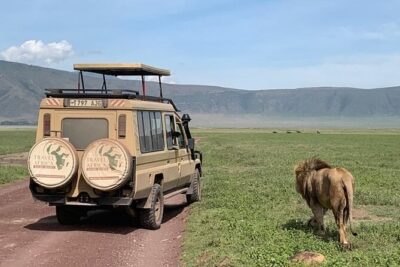
3 Days Small Group Safari to Serengeti NP and Ngorongoro Crater Tour in Tanzania
Read our review →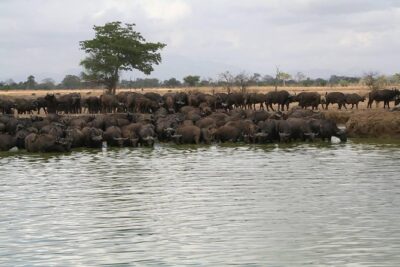
3 Days 2 Nights Group Joining Serengeti and Ngorogoro Safari
Read our review →Browse the lists this tour appears in