
Reviewed · SERENGETI SAFARIS
3 Days Serengeti & Ngorongoro Group Camping Safari
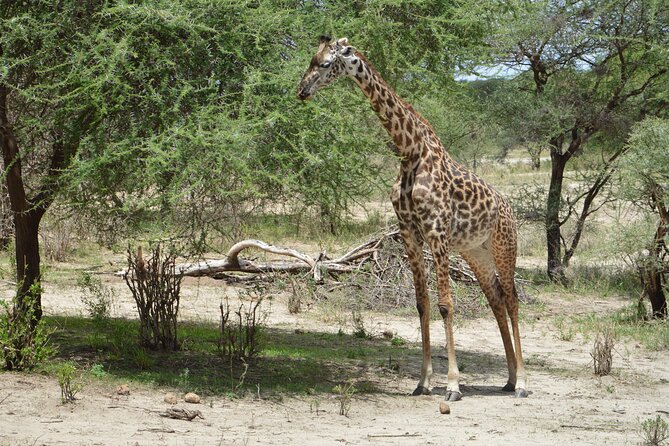
The best part of this safari is the chance to sleep close to the wild, then wake for game drives where lions, elephants, buffalo, leopards, and rhinos may appear. I like the six-person maximum, which gives you a better view from the vehicle, and I like that guides such as Adam and Gerald add animal facts rather than simply pointing at wildlife. The cooks, including Puis and Tito on different departures, also make the camping days easier with proper meals.
The catch is comfort. Serengeti camping can mean no hot water, cold nights, and the sound of lions after dark. The long road from Arusha also takes time, so this is best for you if wildlife matters more than polished lodging.
Key points to know before booking
- Small groups of up to six: You get a more personal ride and a better chance to ask questions during game drives.
- Two famous wildlife areas in three days: The route covers the Serengeti and Ngorongoro Crater, starting and ending in Arusha.
- Camping is part of the adventure: Expect simple conditions, with the Serengeti camp more basic than the camp near Ngorongoro.
- Guides make a major difference: Adam and Gerald have been praised for close but respectful animal viewing and clear explanations.
- The Big Five are possible early: The route offers strong wildlife chances, though nature never works to a fixed schedule.
- Pack for cold mornings: Temperatures at night can fall to about 5°C, and luggage is limited to 10 kilograms per person.
What three days in Tanzania really gives you
At $900 per person, this safari packs two major conservation areas into a short trip. The price includes a 4×4 safari vehicle, an English-speaking guide, park entrance fees, mineral water, accommodation, and meals during the safari. That makes the cost easier to judge because the main expenses inside the parks are already covered.
You are not paying for a luxury lodge or a private vehicle. You are paying for access, transport, food, camping, and a guide who knows how to read the wildlife. For a first safari, that can be good value, especially if you want the Serengeti and Ngorongoro without arranging each part yourself.
The small group matters. With no more than six participants, you should have a more personal experience than in a large coach. You can ask why a pride of lions is resting, where to look for a leopard, or how flamingos gather in the crater. A smaller vehicle also helps when everyone wants a clear view.
Still, three days is tight. The first day includes the long drive from Arusha to the Serengeti, and the last day returns to Arusha after a morning in Ngorongoro. You get a strong sample of northern Tanzania, not a slow, wide-ranging safari.
More Serengeti Safaris in Serengeti
- Serengeti Balloon Safari and authentic bush breakfast
★ 5.0 · 2,480 reviews - Nyssa Luxury Balloon in Safaris and Serengeti
★ 5.0 · 69 reviews - 4 Days Tarangire, Serengeti, Ngorongoro Group Camping Safari
★ 4.7 · 30 reviews
Day 1: The long road from Arusha to the Serengeti
Your pickup begins in Arusha, with a company representative meeting you at your accommodation reception. The representative carries a sign with your name and provides a short introduction before the safari gets underway.
The road toward the Serengeti takes you through changing Tanzanian scenery. This is not just dead time, but it is a full travel day. Bring patience, water, and something warm for the early start. The 4×4 vehicle is the base for much of the trip, so anyone with back problems should think carefully before booking.
After reaching the Serengeti, you have lunch and then head out for an afternoon game drive. This timing gives you a first look at the park when you are still getting used to scanning the open plains. Your guide will help you spot animals that are easy to miss, especially at a distance.
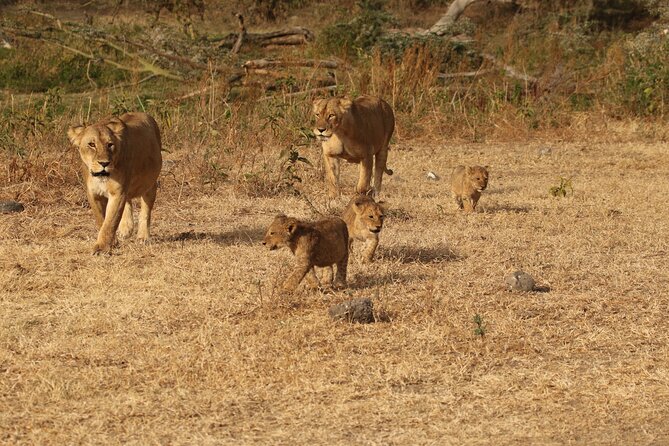
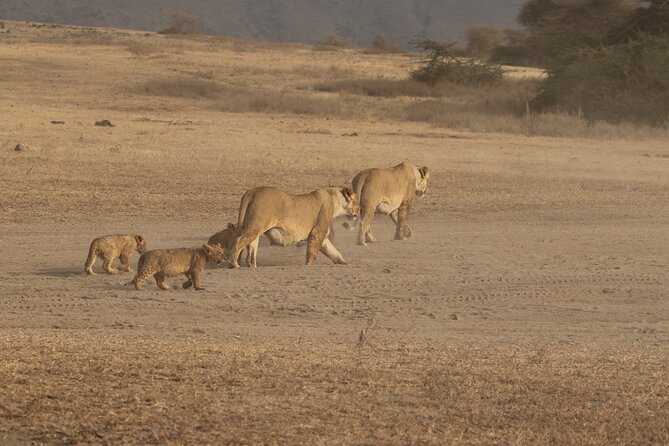
The Serengeti is famous for its open grasslands and large animal populations. You may see lions, elephants, buffalo, leopards, and rhinos, along with zebras and many other species. The Big Five are a central hope for many people, and one group managed to see all five within the first two days. That is a wonderful result, but you should treat it as good fortune, not a promise.
Your first night is spent camping in the Serengeti. This is the point where the safari becomes more than a sequence of vehicle rides. You are sleeping in an iconic wildlife area, with darkness, open space, and animal sounds replacing the usual hotel routine.
The Serengeti camp can be basic. Hot water may not be available, and roaring lions can be heard at night. That sound may thrill you, or it may make you check your tent twice. Bring a warm sweater, jacket, and socks because nighttime temperatures can fall to around 5°C.
Day 2: Sunrise wildlife and the road to Ngorongoro
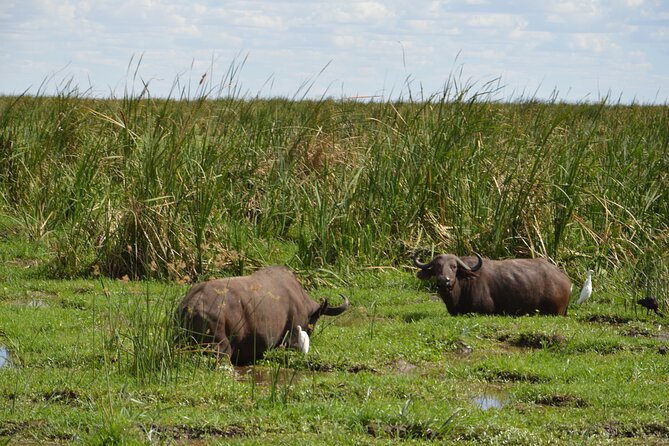
An early morning game drive starts the second day. Sunrise is a useful time to be out because the light changes quickly and animals may be active before the day grows warmer. You will want your camera ready, but do not let it keep you from watching the plains directly.
This drive also gives your guide another chance to work with the group. Adam has been praised for placing the vehicle close enough for good views without disturbing the animals. That balance is important. The best guide is not the one who chases every sighting, but the one who helps you watch without turning wildlife into a spectacle.
After lunch, you leave the Serengeti and drive toward the Ngorongoro Conservation Area. The change is part of the appeal. The Serengeti offers broad open spaces, while Ngorongoro gives you a more enclosed setting with steep crater walls and a concentrated mix of wildlife.
The transfer is also one of the trip’s less exciting stretches. You will have time to rest, but you are still spending hours on the road. If you prefer long game drives with little transit, a longer safari would suit you better. If you want two major sites in a short holiday, this route makes practical sense.
You spend the night at a camp near Ngorongoro Crater. Conditions can be more comfortable here than in the Serengeti. One departure included hot showers and striking views, with a zebra even visiting the camp. Do not count on a zebra appearing during your stay, but the setting gives this night a different feel from the first.
Food is another strong part of the camping experience. Puis and Tito have both been singled out for enjoyable cooking on different trips, and meals are included. That matters after long drives and early starts. You are not expected to solve every meal yourself, though you should still bring any special snacks you need.
Day 3: Inside Ngorongoro Crater
The final day begins early with a descent into Ngorongoro Crater. The crater is a UNESCO World Heritage site and one of Tanzania’s most memorable wildlife settings. From above, the scale is impressive. Once inside, the enclosed area can make animal viewing feel especially rewarding.
During the morning game drive, you may see elephants, lions, zebras, and flamingos. The crater is known for its mix of habitats, so the drive can bring several types of wildlife into a relatively compact outing. That does not guarantee every animal, but it gives you a strong final morning.
The early start is worth accepting. You have limited time in the crater before returning to Arusha, and a morning drive gives you the best use of that window. Keep your jacket handy, since the air can feel cold before the sun climbs higher.
After the game drive, you begin the return to Arusha and arrive in the afternoon. That timing can work well if you have onward plans, but you should avoid scheduling a flight too tightly. The safari is designed to finish in Arusha, not at the airport, and road conditions or wildlife stops can affect the pace.
More Serengeti Safaris in Tanzania:
- Balloon Safari & Bush Breakfast in Serengeti – Miracle Experience
★ 5.0 · 1,646 reviews - 3 Days Serengeti & Ngorongoro Group Camping Safari
★ 5.0 · 574 reviews - 5-Day Highlights mid-Range Crater, Serengeti, Tarangire
★ 5.0 · 296 reviews - Safari Serengeti And Ngorongoro
★ 5.0 · 288 reviews
How the guides shape the experience
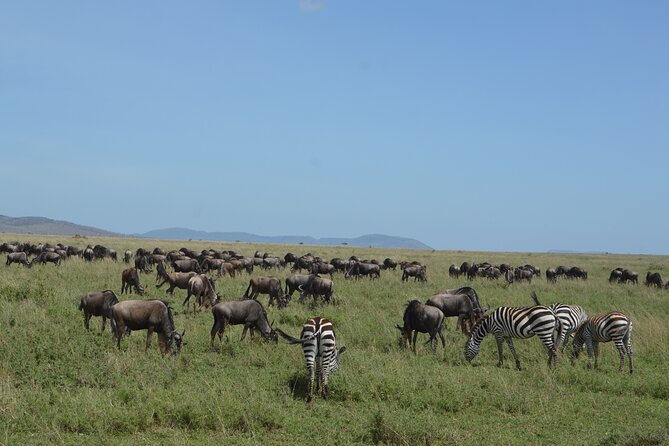
A safari guide can change the whole trip. You may see an animal, but the guide helps you understand what you are seeing, where to look next, and how to behave around it.
Adam has been praised for taking care of the group, handling the camping arrangements, and getting close to animals without disturbing them. Gerald has also been praised for smooth transport and for sharing facts about the animals. Those details point to the practical role your guide plays: driving, spotting, explaining, and keeping the day moving.
You should also expect staff beyond the driver-guide. A company representative handles the welcome in Arusha, and a cook supports the camping meals. John has helped with meet-and-greet arrangements and taxi assistance before or after the safari. The exact staff depends on your departure, but the operation includes more than the person holding the steering wheel.
The live guide language is English. If you want lengthy discussion about animal behavior, ask questions early and often. A small group makes that easy, and it helps your guide tailor explanations to your interests.
Camping comfort, food, and what to pack
This is a camping safari, not a lodge safari with tents as decoration. You should be ready for simple facilities and changing conditions. The Serengeti camp may have no hot water, while the Ngorongoro camp can offer hot showers and better views.
Pack neutral clothing in white, beige, or green. Bright colors are not allowed, and practical clothing is more useful than stylish clothing here. Nights can be cold, so take a warm sweater, jacket, and socks even if Arusha feels mild.
The luggage limit is 10 kilograms per person. Use a duffel bag rather than a hard suitcase. Extra luggage can be left in the hotel storage room, which is useful if you are combining this safari with a longer Tanzania trip.
Bring mosquito repellent with a high mint concentration, binoculars, a towel, and toilet paper. The guide has binoculars to share in the vehicle, but a personal pair saves you from waiting during a good sighting. A small bag for daily essentials will also help keep the vehicle tidy.
You should not bring a drone, feed animals, or touch them. Bright colors are also not permitted. These rules are simple, but they protect the animals and keep the safari respectful.
Is $900 a fair price?
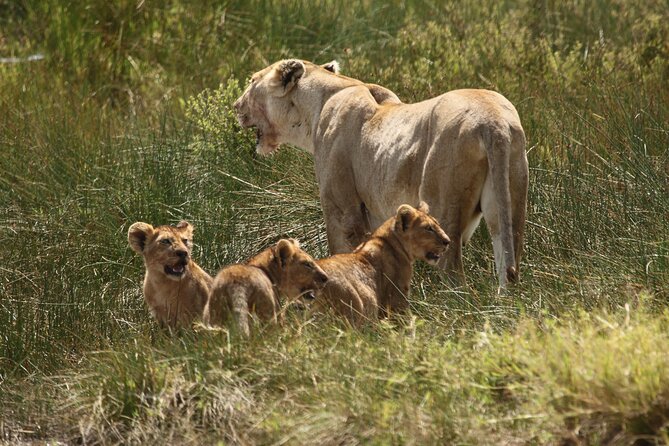
The $900 rate is easier to justify if you value convenience and park access. Included are the 4×4, guide, park fees, water, accommodation, and meals. Park entrance fees alone can make northern Tanzania expensive, so having them built into one price gives you a clearer budget.
The tradeoff is that this is a group trip, not a private safari. You will share the vehicle with up to five other people, and the pace must work for the whole group. A private option might give you more control, but it would usually cost more.
The price also reflects a simple camping style. If you want hot showers every night, polished rooms, and more time at each location, you should compare lodge-based or longer itineraries. If you want close contact with the outdoors and do not mind basic conditions, the camping format gives you more safari for the money.
Free cancellation up to 24 hours before departure and the option to reserve now and pay later add flexibility. Those policies are useful if your Arusha plans are still shifting, but you should still check the available start time before booking.
Who should book this safari?
I would suggest this trip to you if you have only three days, want to see both the Serengeti and Ngorongoro, and care more about wildlife than hotel comfort. It also suits solo participants or couples who like meeting a small group and sharing the cost of a 4×4.
You should be comfortable with early mornings, long drives, camping, cold nights, and basic facilities. The activity is not suitable for wheelchair users, babies under one year, people over 95, or people with back problems.
The trip works especially well for first-time safari visitors who want a clear route and an English-speaking guide. It is less suitable if you need a relaxed pace, accessible facilities, or guaranteed sightings.
Final call: is Suricata Safaris worth it?
I would book this safari if you want a compact, practical introduction to Tanzania’s two biggest wildlife names. The strongest reasons are the six-person group limit, included park fees and meals, capable guides such as Adam and Gerald, and the genuine thrill of camping near the Serengeti.
I would pause if you dislike rough conditions or long road transfers. The Serengeti night can be cold and noisy, and three days leaves little spare time. Pack light, bring warm layers, accept that wildlife follows its own timetable, and you get a focused safari with a good balance of cost, access, and adventure.
FAQ
Where does the safari start and finish?
The safari starts in Arusha and returns to Arusha on the afternoon of the third day.
How long is the safari?
The experience lasts three days.
How many people are in the group?
The group is limited to six participants.
What language does the guide speak?
The live tour guide speaks English.
Is transportation included?
Yes. Transportation is provided in a 4×4 safari vehicle.
Are park entrance fees included?
Yes. Park entrance fees are included in the tour price.
Are meals and accommodation included?
Yes. Accommodation and meals during the safari are included.
What should I pack?
Bring neutral-colored clothing, a warm sweater, jacket, socks, mosquito repellent with a high mint concentration, binoculars if you have them, a towel, and toilet paper. Luggage is limited to 10 kilograms per person, and duffel bags are recommended.
Can I cancel the booking?
Yes. You can cancel up to 24 hours in advance for a full refund. You can also reserve the safari and pay later.
More Camping Safaris in Tanzania
- 4 Days Group Camping Safari
★ 5.0 · 1,101 reviews - 5 Days Group Camping Safari
★ 5.0 · 730 reviews - 6 Days Tanzania Budget Camping Safari
★ 5.0 · 145 reviews - 3 Days Tarangire, Ngorongoro & Lake Manyara Group Camping Safari
★ 5.0 · 102 reviews
More Ngorongoro Crater Tours in Tanzania
- 5 Days Camping Tarangire, Serengeti & Ngorongoro crater & Visiting Maasai
★ 5.0 · 229 reviews - 4 Days Join Group tour Tarangire Serengeti and Ngorongoro crater
★ 5.0 · 219 reviews - 4-Day Safari from Arusha: Tarangire, Serengeti and Ngorongoro
★ 5.0 · 173 reviews - 2 Days Tarangire and Ngorongoro Group Camping Safari
★ 5.0 · 146 reviews
Just added around Tanzania
- Zanzibar: Mikumi Wonderful Safari with Open Jeeps★ 4.9 · 15 reviews
- Zanzibar: Maasai village and Nungwi turtles experience trip★ 4.9 · 16 reviews
- Zanzibar: Mnemba Atoll, Spice farm, Jozani forest & Lunch★ 3.9 · 3 reviews
- Zanzibar: Maasai World Tour with Cultural Practices★ 4.0 · 4 reviews
- Zanzibar: Kendwa Beach Professional Photoshoot★ 5.0 · 5 reviews
- Zanzibar: Maalum Cave Natural Swimming Pool Tour in Paje★ 4.4 · 3 reviews
- Zanzibar: Jozani Forest Watching Colobus Monkeys Guided Tour★ 4.1 · 7 reviews
- ZANZIBAR: Jozani Forest,Salaam Cave, The Rock & Blue Lagoon★ 4.8 · 8 reviews
Serengeti Safaris, compared.

Serengeti Balloon Safari and authentic bush breakfast
Read our review →
3 Days Serengeti & Ngorongoro Group Camping Safari
Read our review →
5-Day Highlights mid-Range Crater, Serengeti, Tarangire
Read our review →


Private 6-Day Tarangire Manyara Crater and Serengeti with Mid-Range Lodges
Read our review →
5 Days Camping Tarangire, Serengeti & Ngorongoro crater & Visiting Maasai
Read our review →
4 Days Join Group tour Tarangire Serengeti and Ngorongoro crater
Read our review →Browse the lists this tour appears in