
Reviewed · NGORONGORO CRATER TOURS
3-Day Tarangire, Lake Manyara and Ngorongoro
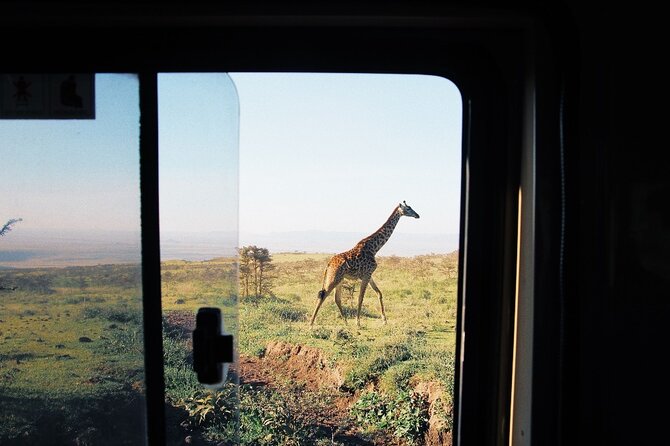
Tarangire’s elephant herds, Ngorongoro’s crowded crater floor, and Lake Manyara’s birdlife give you three very different safari days in one compact trip. The route is a smart choice if you have only a short time in Arusha but still want a proper taste of northern Tanzania’s wildlife.
I like the small maximum group of six, which gives you a better chance of seeing from both sides of the vehicle and asking your guide plenty of questions. I also like the broad price coverage: park fees, transport, accommodation, meals, camping equipment, a sleeping bag, drinks, taxes, and airport transfers are included.
The main thing to consider is the pace. Day 1 lasts about 12 hours, Day 2 begins around 6:00 a.m. and includes six to seven hours on the crater floor, and Day 3 adds another nine-hour park and return drive. This is an active safari, not a lazy lodge holiday.
Key points before you book
- Three major parks in three days: Tarangire, Ngorongoro, and Lake Manyara each offer a different setting and wildlife focus.
- Big elephant country: Tarangire is the best-known stop here for large elephant groups and striking baobab scenery.
- Ngorongoro’s permanent wildlife: The crater floor offers year-round game viewing, with hippos and possible black rhino sightings.
- A small group of up to six: This keeps the vehicle more personal than a large coach-style safari.
- Camping is part of the experience: The package includes equipment and a sleeping bag, with overnight stays at Africa Safari Glamping Campsite and a budget lodge near Manyara.
- $700 covers the main safari costs: Park fees, activities, accommodation, meals, drinks, taxes, transportation, and airport transfers are included, but tips and personal items are not.
Why this three-park route works
Northern Tanzania gives you a lot of wildlife in a fairly short circuit from Arusha. This trip uses that advantage well. You begin with Tarangire, continue to the Ngorongoro Conservation Area, then finish at Lake Manyara before returning to Arusha.
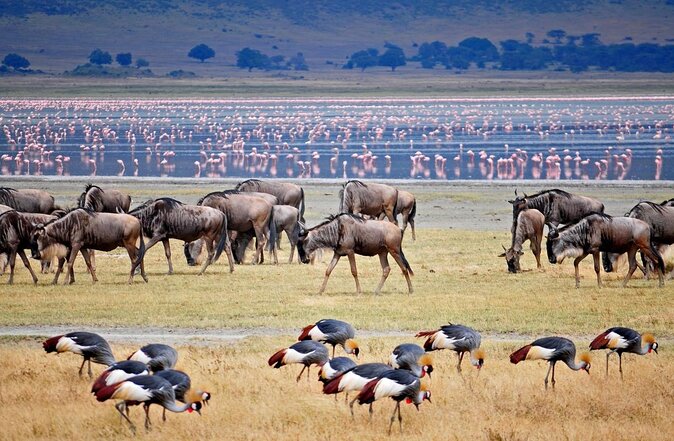
The parks are not interchangeable. Tarangire is about broad open country, elephants, baobabs, and seasonal wildlife movement. Ngorongoro is a contained natural bowl where water and grazing support animals throughout the year. Lake Manyara is smaller, greener in feel, and especially useful for bird watching and the chance to spot lions resting in trees.
That variety matters. If you only have three days, you want each day to bring a different type of safari rather than three repeats of the same drive. You also get a good mix of large mammals, predators, hippos, birds, and scenery.
Still, you should keep expectations sensible. No safari can promise a black rhino, a tree-climbing lion, a leopard, or a flamingo flock on a particular day. The itinerary identifies these as important targets, but wildlife sightings depend on season, conditions, and luck.
More Lake Manyara Safaris in Arusha
- Private 6-Day Tarangire Manyara Crater and Serengeti with Mid-Range Lodges
★ 5.0 · 238 reviews - 3 Days Tarangire, Ngorongoro & Lake Manyara Group Camping Safari
★ 5.0 · 102 reviews - 3 Days Private Safari – manyara, Ngorongoro & Tarangire
★ 5.0 · 94 reviews
Day 1: elephants and baobabs in Tarangire
Your pickup from an Arusha hotel is scheduled for 6:00 a.m. After a safari briefing, you set off for Tarangire National Park. The first day is long, but it gives you a full introduction to the rhythm of a safari: a road transfer, a game drive, a meal break, then more time in the park.
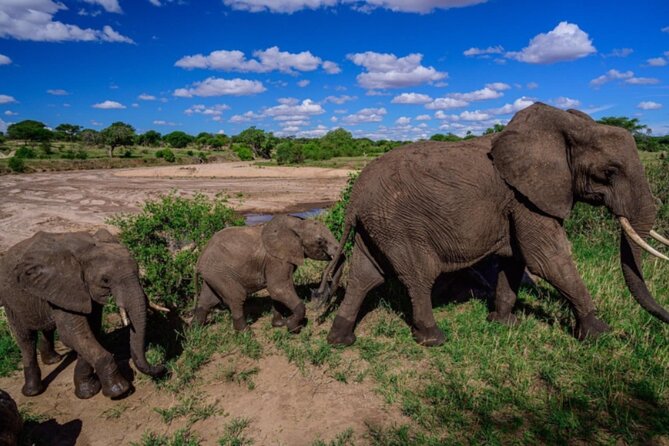
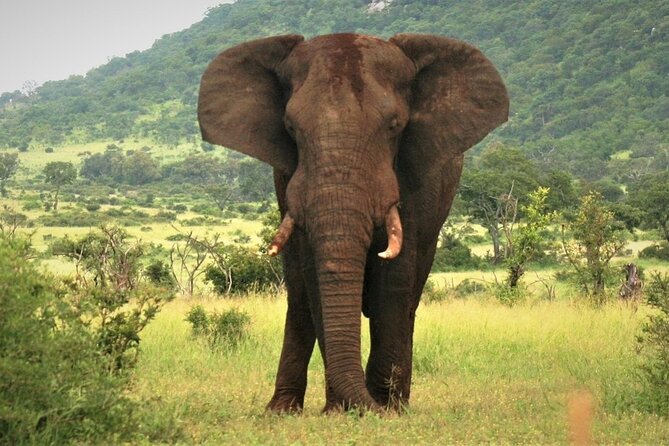
Tarangire is especially appealing if elephants are high on your list. The park is known for large groups, and the combination of elephants, open grass, and baobab trees gives this first day a strong visual identity. You may also encounter giraffes, zebras, wildebeest, buffalo, warthogs, baboons, antelope, and gazelles during the drive.
The schedule brings you to lunch in good time, followed by an afternoon game drive. That split is useful. You are not asked to spend the entire day staring through a dusty window without a break, and the afternoon drive gives your guide another chance to search for animals when the park changes character.
Your overnight stop is Africa Safari Glamping Campsite. Camping can be one of the most memorable parts of a safari because you are sleeping in a setting connected to the park experience rather than retreating to an ordinary city hotel. The package includes camping equipment and a sleeping bag, so you do not need to bring those items.
Do note the difference between glamping and a full-service luxury lodge. The accommodation is described as a campsite, and one review specifically appreciated the setting while another noted practical issues such as the distance to the bathroom and limited convenience. If private facilities and hotel-style comfort are essential to you, ask for the exact accommodation setup before paying.
Meals are included, with dinner listed for this night. The food received strong praise, which is welcome after a long drive. You should still pack personal snacks if you have dietary needs, since the supplied information does not describe special menus or dietary arrangements.
Day 2: six to seven hours inside Ngorongoro Crater
Day 2 starts with an early breakfast at about 6:00 a.m., followed by the drive toward Ngorongoro. After completing the required paperwork, you descend to the crater floor for a six to seven-hour game drive with a picnic lunch.
This is the most wildlife-focused day of the trip. Ngorongoro Crater is a World Heritage Site and a remarkably compact place to search for animals. The crater floor has grazing and water supplies throughout the seasons, so a permanent wildlife population lives here. That gives you a strong chance of seeing several species in one outing.
The stated targets include black rhino and hippos. You may also see lions, buffalo, zebras, wildebeest, warthogs, antelope, and other animals already familiar from Tarangire. The appeal is not only the number of species. The crater’s enclosed setting can make sightings feel close and concentrated, though the number of vehicles in busy areas may affect the sense of solitude.
Six to seven hours is a serious game drive. Bring patience, sun protection, and a camera battery that can handle a full day. The picnic lunch keeps the drive moving, but it also means you should be ready to eat outdoors rather than at a restaurant.
After the crater visit, you drive to the Manyara area for dinner and an overnight stay at a budget lodge. This change from camping to lodge accommodation may be welcome after the previous night. The description does not identify the lodge, so ask the operator for its name and room details if accommodation standards are important to you.
Day 2 is also where the route can feel demanding. You have an early start, several hours in the vehicle, paperwork, a crater descent, and a later transfer. The reward is one of Tanzania’s strongest all-season wildlife settings, but this is not the day for a relaxed timetable.
Day 3: birds, baboons, and tree-climbing lions
After breakfast, you transfer to Lake Manyara National Park. The park is smaller than Tarangire and Ngorongoro, but do not mistake small for unimportant. Its appeal comes from the range of habitats and the chance to see a different mix of wildlife.
Bird watching is a major reason to include Manyara. Pink flamingos are among the highlights, especially near the lake, and the park can reward both first-time bird watchers and people who already know their birds. Bring binoculars if you have them. The guide may also help you identify species, though the specific equipment provided is not stated.
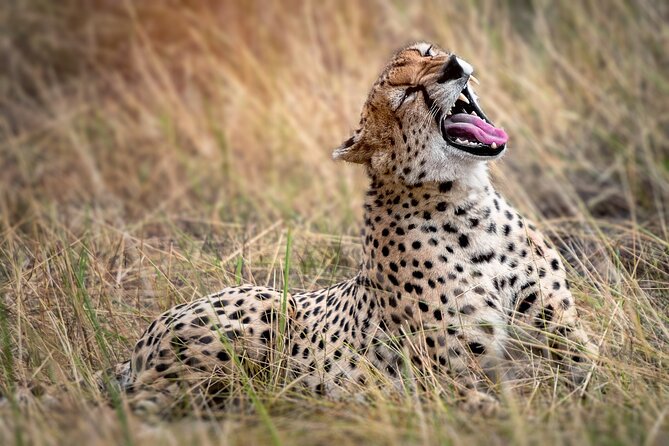
The other headline attraction is the tree-climbing lion. These sightings are never guaranteed, but Manyara is one of the few places in Africa associated with lions resting in trees. You might also see baboon troops, giraffes, elephants, zebras, hippos, and other wildlife.
One striking account describes a lion seen at very close range. That kind of encounter can happen on safari, but you should not treat a reported distance as a promise. The safe and responsible approach is to follow the guide’s instructions and remember that wild animals need space.
Lunch is served at a picnic site. After the game drive, you return to Arusha, ending the service. The final day lasts about nine hours, so your arrival time can vary with road conditions and the pace of the park visit. If you have a flight that evening, confirm the timing carefully before booking.
More Ngorongoro Crater Tours in Arusha:
- 3 Days Serengeti & Ngorongoro Group Camping Safari
★ 5.0 · 574 reviews - 5 Days Camping Tarangire, Serengeti & Ngorongoro crater & Visiting Maasai
★ 5.0 · 229 reviews - 4 Days Join Group tour Tarangire Serengeti and Ngorongoro crater
★ 5.0 · 219 reviews - 4-Day Safari from Arusha: Tarangire, Serengeti and Ngorongoro
★ 5.0 · 173 reviews
What the $700 price really covers
At $700 per person, this is not simply a three-day vehicle rental. The listed inclusions cover many of the expenses that can make a Tanzania safari costly.
Included are park fees, all listed activities, accommodation, camping equipment, a professional driver-guide, transportation, taxes and VAT, roundtrip airport transfer, meals, drinks, a sleeping bag, three breakfasts, two dinners, and three lunches.
That makes the price easier to judge. You are paying for access to three protected areas, a guide and safari vehicle, two nights of accommodation, food, and the operating costs tied to moving through the parks. Group discounts may also improve the value if you are booking with friends or family.
The package does not include international flights, extra nights before or after the safari, bath towels, tips, personal items, or government-imposed increases in taxes or park fees. Those exclusions are normal for this type of trip, but budget for them rather than treating $700 as your total Tanzania cost.
The airport transfer is a useful inclusion if you are arriving in Arusha by air. If you already have your own airport transport, its value is less important, but it still removes one logistical task.
The guide makes a major difference
A safari guide is not just a driver. The guide controls the pace, watches the road and animals, explains behavior, and helps you make the most of a sighting that may last only a few seconds.
The strongest personal praise here centers on guides called Noel and Issaya. Noel is described as energetic and warm, while Issaya is associated with organizing trips around Arusha and helping people get good value. You cannot assume either person will lead your departure, so ask whether Noel or Issaya is available if that matters to you.
There is also a charming language detail from one safari experience: a guide greeted the group in Chinese and learned some animal words while the group practiced English terms such as buffalo, leopard, rhinoceros, giraffe, zebra, wildebeest, hippo, cheetah, antelope, gazelle, impala, baboon, ostrich, and flamingo. It is a small example of how a good guide can turn animal spotting into an informal lesson.
You should use the briefing to explain what you care about most. Tell the guide if you are especially interested in birds, elephants, predators, photography, or learning animal names. A group of six makes those conversations easier than a much larger departure.
Camping, lodge nights, and daily comfort
The accommodation is practical rather than lavish. Night one is at Africa Safari Glamping Campsite, with camping equipment and a sleeping bag included. Night two is at a budget lodge near Manyara.
The campsite can be a highlight if you like being outdoors and want the safari feeling to continue after the game drive. It can also test your patience if you expect a short walk to the bathroom, hotel-style service, or complete quiet and privacy. Bring a small flashlight and keep your overnight bag organized, but do not assume towels are provided because bath towels are specifically excluded.
Food is one of the better-covered parts of the package. Breakfasts, dinners, and picnic lunches are included, and the available comments praise both the meals and campsite food. Drinks are included too, though the exact selection is not specified.
This arrangement suits you if you value time in the parks over polished accommodation. If your priority is a private lodge, a slower schedule, or a large room with guaranteed amenities, ask about an upgraded version before booking.
The pace, vehicle time, and group size
The timetable is full:
- Day 1: approximately 12 hours
- Day 2: approximately 7 hours, plus the early breakfast and transfer to Manyara
- Day 3: approximately 9 hours
These figures include the day’s safari and transport, not simply time spent watching animals. You will spend a lot of time seated in the vehicle. That is part of the northern Tanzania safari experience, but it deserves an honest warning.
The maximum of six is a real advantage. You have fewer people competing for window space, and the guide can respond more easily to the group’s interests. Group discounts may make the trip more attractive for a larger booking, though the supplied information does not state the discount amount.
Pickup is offered from your hotel in Arusha, and roundtrip airport transfer is included. The meeting time is 6:00 a.m. Confirmation is provided at booking, and most people can participate. The operator does not provide further details about vehicle type, luggage limits, or accessibility, so ask those questions if they affect your plans.
Who should book this safari
I would recommend this trip to a first-time safari visitor with only a few days available from Arusha. It gives you elephants, crater wildlife, birds, flamingos, and the possibility of tree-climbing lions without requiring a week away from your wider Tanzania plans.
It also suits people who enjoy variety. Tarangire’s scenery, Ngorongoro’s concentrated wildlife, and Manyara’s birdlife make the three days feel more varied than a single-park visit.
Families, friends, solo visitors willing to share a vehicle, and people staying in Arusha can all find value here. The small group limit helps, and the included meals and park fees simplify planning.
I would hesitate if you dislike early starts, long drives, camping, or basic accommodation. I would also hesitate if your schedule cannot absorb a late return to Arusha on Day 3, or if you need a guaranteed tree-climbing lion or black rhino sighting.
Cancellation is free if you cancel at least 24 hours before the 6:00 a.m. start time. Late cancellations and late changes are not refunded or accepted, and poor weather may lead to a new date or a full refund.
Should you book the three-day route?
Book it if your goal is to see as much wildlife variety as possible in a short, fairly inclusive package. The strongest reason to choose it is the combination of three very different parks, not one guaranteed animal.
At $700 per person, the value is good when you count the park fees, transport, guide, accommodation, camping gear, meals, drinks, taxes, and airport transfer. Just go in ready for long days and practical nights.
Before confirming, ask who your guide will be, whether the night at Africa Safari Glamping Campsite has the bathroom arrangement you want, what the budget lodge near Manyara provides, and how the group discount works. If those details suit you, this is a sensible three-day introduction to Tanzania’s northern safari circuit.
FAQ
Where does the safari start?
The safari starts in Arusha, Tanzania, with pickup from your hotel offered.
What time does the tour begin?
The stated start time is 6:00 a.m.
How long is the safari?
The experience lasts approximately three days.
Which parks are included?
The route includes Tarangire National Park, the Ngorongoro Conservation Area, and Lake Manyara National Park.
How many people can join the group?
The maximum group size is six travelers.
Is accommodation included?
Yes. Accommodation is included, with camping at Africa Safari Glamping Campsite and a budget lodge near Manyara listed in the schedule.
Are meals included?
Yes. The package lists three breakfasts, two dinners, and three lunches, along with drinks.
Are park fees included?
Yes. Park fees and all listed activities are included.
Is camping equipment provided?
Yes. Camping equipment and a sleeping bag are included. Bath towels are not included.
What is the cancellation policy?
You can cancel at least 24 hours before the start time for a full refund. Cancellations or changes made less than 24 hours before the start are not accepted for a refund. If poor weather causes the operator to cancel, you will be offered another date or a full refund.
More 3-Day Experiences in Arusha
- 3-Day Classic Serengeti Safari
★ 5.0 · 263 reviews - 3 Days Small Group Safari to Serengeti NP and Ngorongoro Crater Tour in Tanzania
★ 5.0 · 77 reviews - 3 Days 2 Nights Group Joining Serengeti and Ngorogoro Safari
★ 5.0 · 56 reviews - 3 Days Safari to Serengeti National Park & Ngorongoro Crater in Tanzania
★ 5.0 · 34 reviews
More Tarangire National Park Safaris in Arusha
- 5-Day Highlights mid-Range Crater, Serengeti, Tarangire
★ 5.0 · 296 reviews - 2 Days Tarangire and Ngorongoro Group Camping Safari
★ 5.0 · 146 reviews - 4 Days Tarangire Serengeti Ngorongoro Crater
★ 5.0 · 117 reviews - Tarangire Day Tour
★ 5.0 · 95 reviews
Just added around Arusha
- 8 Days Serengeti Migration safari★ 5.0 · 11 reviews
- tarangire, ngorongoro & lake manyara park 3 days private tour★ 5.0 · 11 reviews
- tarangire & ngorongoro 2 days tour★ 5.0 · 14 reviews
- serengeti & ngorongoro 3 days private tour★ 5.0 · 15 reviews
- Mt. Kilimanjaro: Shira plateau to Cathedral point 3872m Day hike★ 5.0 · 7 reviews
- serengeti, ngorongoro & tarangire 4 days private tour★ 5.0 · 18 reviews
- 2 Days Tanzania Midrange Group Join Safari★ 5.0 · 7 reviews
- climb the KILIMANJARO via Lemosho route★ 5.0 · 4 reviews
Ngorongoro Crater Tours, compared.

3 Days Serengeti & Ngorongoro Group Camping Safari
Read our review →

5 Days Camping Tarangire, Serengeti & Ngorongoro crater & Visiting Maasai
Read our review →
4 Days Join Group tour Tarangire Serengeti and Ngorongoro crater
Read our review →
4-Day Safari from Arusha: Tarangire, Serengeti and Ngorongoro
Read our review →
2 Days Tarangire and Ngorongoro Group Camping Safari
Read our review →

3 Days Tarangire, Ngorongoro & Lake Manyara Group Camping Safari
Read our review →Browse the lists this tour appears in