
Reviewed · NGORONGORO CRATER TOURS
2 Day Safari Tarangire and Ngorongoro Crater
Tarangire’s giant elephants and ancient baobabs give this short safari a strong sense of place, while Ngorongoro Crater packs an impressive range of animals into one dramatic day. I like the way two very different wildlife areas fit into a single overnight trip, and I like that the group is capped at seven, which gives you a better chance to ask questions and get a good view from the vehicle.
The included meals, transport from Arusha, and overnight stay make the price easier to understand, especially if you have only two days. The main catch is the pace: you spend about eight hours in Tarangire and seven hours in the crater, with substantial driving between parks, and hotel pickup may cost an extra $5.
Key points to know before booking
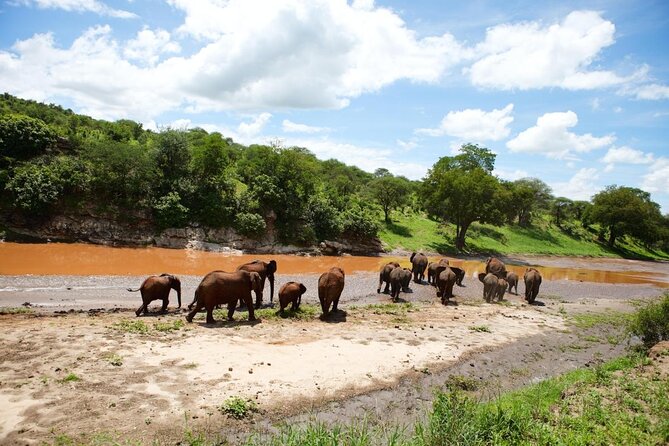
- Tarangire is the elephant day: Expect large elephant herds, baobabs, zebra, wildebeest, buffalo, and possible sightings of lions, leopards, and hyenas.
- Ngorongoro is compact but crowded with wildlife: The crater can offer buffalo, rhinoceros, hippopotamus, and other animals across one concentrated game-viewing area.
- The group limit is seven people: This is small enough for more personal attention than a large safari vehicle.
- Meals are included: Dinner, breakfast, and two lunches are listed as part of the package.
- Arusha transport is built in: The trip starts and ends at Masailand Safari & Lodge, though hotel pickup and drop-off may require a $5 supplement.
- The price favors convenience: At $440 per person, you are paying for two national park visits, transport, meals, and an overnight stay rather than just park entry.
Why this two-day safari works
A two-day safari is a useful compromise. You do not need to rearrange an entire Tanzanian holiday, yet you still get time in two of the country’s best-known wildlife areas. Tarangire and Ngorongoro also offer different visual and animal experiences, so the trip does not feel like the same game drive repeated twice.
Tarangire is open, dry, and marked by enormous baobabs. Ngorongoro is a volcanic caldera with a more enclosed setting and a high concentration of wildlife. That contrast gives the trip variety, even though the schedule is tight.
The strongest appeal is simplicity. You meet at Masailand Safari & Lodge in Arusha, ride with a guide and a small group, eat meals along the way, spend one night out, and return to the same meeting point. You do not have to arrange separate park transfers, meals, or transport back to town.
The tradeoff is that this is an introductory safari, not a slow, luxury expedition. The package is designed to give you a taste of two major parks. If you want several days in one area, long periods waiting quietly for a particular animal, or an upscale lodge, you should consider a longer and more expensive trip.
More Ngorongoro Crater Tours in Arusha:
- 3 Days Serengeti & Ngorongoro Group Camping Safari
★ 5.0 · 574 reviews - 5 Days Camping Tarangire, Serengeti & Ngorongoro crater & Visiting Maasai
★ 5.0 · 229 reviews - 4 Days Join Group tour Tarangire Serengeti and Ngorongoro crater
★ 5.0 · 219 reviews
Starting in Arusha with a small group
The official starting point is Masailand Safari & Lodge, listed at MJ7W+X3, Arusha 1531, Tanzania. The activity ends back at that meeting point, which is handy if you are staying nearby or can reach it easily.
Round-trip transport from Arusha is included in the general arrangement. One important practical detail is that hotel pickup and drop-off may cost an additional $5. Confirm this before departure, particularly if you are staying outside the immediate meeting-point area.
The maximum group size is seven people. That matters on safari. A smaller group usually means less waiting while people settle into the vehicle, more room for each person to look out, and a better chance to speak directly with the guide. It also makes it easier to agree on how long to stay at a sighting.
You should expect an early start on the first morning. The drive from Arusha to Tarangire takes time, and the day includes roughly eight hours in the park. This is a full day, not a casual morning outing, so bring patience along with your camera.
Day one: Tarangire’s elephants and baobabs
Tarangire is the heart of the first day. It is particularly compelling in the dry season, when the Tarangire River becomes an important water source for animals in the area. That seasonal pattern helps explain why the park can gather so much wildlife in one place.
The park is known for its large elephant population. Seeing elephants beside baobabs gives Tarangire a look that is quite different from the classic grassland image many people associate with African safari. The trees are as much a part of the experience as the animals.
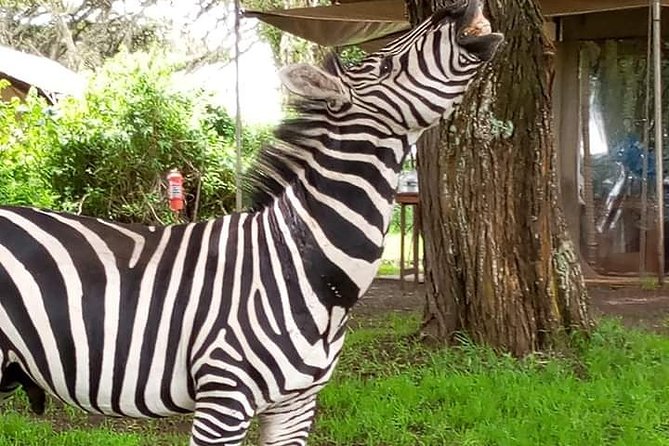
You may also look for wildebeest, zebra, and buffalo. The park’s predators include lions, leopards, and hyenas, though no safari can promise a particular sighting. The appeal is the mix: one stretch may be about elephants, another about grazing herds, and another about watching for a predator near the animals it follows.
The schedule allows about one hour for the drive or first stop connected with Tarangire, followed by about eight hours of exploration in the park. That long park period is valuable because wildlife sightings rarely run according to a timetable. You have more opportunity to watch animal behavior instead of simply ticking off species.
Tarangire is described as an alternative to the more heavily visited Serengeti routes. That does not mean you should expect an empty park, but it does mean the experience has its own identity. The baobabs, elephant herds, and river-centered dry-season activity are the main reasons to choose it.
A good guide can make a real difference here. Ask your guide to explain how the dry season changes animal movement, why elephants gather in particular areas, and how to distinguish the main grazing animals. With a group of no more than seven, you have a reasonable setting for those questions.
Lunch is included, as are the other listed meals. The exact lunch setting is not specified for Tarangire, so do not assume a private table or a particular picnic site. Think of the meal as practical fuel for a long day outside.
The overnight break and included meals
The overnight stay is one reason this package works better than trying to force both parks into a single day. Dinner and breakfast are included, along with two lunches listed in the meal package. That reduces the number of small arrangements you need to make yourself.
The accommodation level is not described in detail, and luxury is specifically excluded. If you are comparing this with a high-end lodge safari, keep expectations in check. The value here is in the parks, transport, guide, and included food, not in premium accommodation or polished extras.
That distinction is useful. You are choosing time with wildlife over a lavish place to sleep. For a short first safari, many people would rather put the budget toward seeing Tarangire and Ngorongoro than toward a more elaborate overnight property.
Because you move from a full day in Tarangire to an early crater visit, the overnight stop is functional. Pack lightly and keep essentials within reach. A phone, camera, sun protection, water, and any personal medication should not be buried in a large bag.
More Tarangire National Park Safaris in Arusha:
- 5-Day Highlights mid-Range Crater, Serengeti, Tarangire
★ 5.0 · 296 reviews - Private 6-Day Tarangire Manyara Crater and Serengeti with Mid-Range Lodges
★ 5.0 · 238 reviews - 4-Day Safari from Arusha: Tarangire, Serengeti and Ngorongoro
★ 5.0 · 173 reviews - 2 Days Tarangire and Ngorongoro Group Camping Safari
★ 5.0 · 146 reviews
Day two: descending into Ngorongoro Crater
The second day focuses on the Ngorongoro Conservation Area, with about seven hours scheduled there. The crater is famous for its dense wildlife and enclosed setting. Instead of spreading across a huge open region, animals can often be found across the caldera’s broad floor.
The possible sightings include Cape buffalo, rhinoceros, and hippopotamus. You may also encounter other wildlife during the drive, but the exact animals and timing depend on conditions in the park. Rhino sightings are never something to treat as guaranteed, yet the possibility is one of the major reasons this stop attracts safari visitors.
The crater’s appeal is concentration. You can spend much of the day moving through a setting where grassland, water, and wildlife are close together. This can make Ngorongoro especially rewarding if you have limited time and want a strong chance of seeing several kinds of large animals in one day.
It can also make the day feel busy. A famous site with dense wildlife tends to attract more vehicles than a less familiar route. You should be prepared for moments when the view is shared with other safari vehicles, particularly around popular animal sightings.
That is where a good guide and a small group help. You can ask to stop at a sighting for a sensible amount of time, and the guide can help you understand what you are seeing rather than simply pointing out an animal and moving on. The small-group limit does not remove park traffic, but it improves the personal side of the outing.
A picnic near the hippo pool
One of the more memorable details of the crater day is the planned picnic lunch by a hippo pool. You may eat within a few dozen feet of these powerful animals, creating a close view that feels very different from seeing wildlife through a distant pair of binoculars.
This is also the moment to take safety instructions seriously. Hippopotamuses look slow and calm when they are resting, but they are large, strong animals. Stay where the guide tells you to stay and do not treat the picnic area as a place for independent exploring.
The lunch stop gives the long game drive a useful pause. You can eat, watch the pool, and take in the setting before continuing. Since lunch is included, you do not need to arrange food separately for this part of the day.
The description of the picnic is specific, but the exact conditions can change. Weather, park rules, and animal movement may affect how the stop works. You should enjoy it as a special possibility within the day, not as a guarantee of a particular animal performance.
What the $440 price really covers
At $440 per person, this is not the cheapest way to see wildlife, but the price includes several costly and useful parts of a safari: transport from Arusha, time in two protected areas, an overnight stay, dinner, breakfast, and two lunches. Parking fees are also included.
The value is strongest for someone starting in Arusha who wants a short, organized introduction. Arranging two parks, transport, meals, a guide, and accommodation independently could take more time and create more chances for mistakes. Here, the basic structure is already in place.
The value is weaker if you want luxury. The package does not include luxury services, and the accommodation details are limited. You are paying for access and convenience, not for a premium lodge, private vehicle, or carefully tailored schedule.
The group cap improves the calculation. A safari vehicle with up to seven people is more personal than a large coach-style arrangement, yet the tour still spreads transport and guide costs across a small group. If the group fills to seven, it may feel less private than a couple’s or family-only safari, but it should remain manageable.
The experience has a 4.8 out of 5 rating based on 16 ratings, with 100 percent recommending it. That is a positive signal, though the sample is small. The most convincing strengths are practical ones: the first-day hotel pickup, the strong first-safari introduction, and the chance to combine Tarangire and Ngorongoro without building the trip yourself.
One person paid an extra $5 for hotel pickup and drop-off after being collected early from an Arusha hotel. Treat that small fee as part of your real budget if you do not plan to reach Masailand Safari & Lodge on your own.
Who should choose this safari
I would recommend this trip to you if you have only two days available, are based in Arusha, and want to see more than one major wildlife area. It is also a sensible first safari for someone who wants an organized introduction before deciding if a longer trip is worthwhile.
It suits people who value animal sightings and efficient planning more than upscale lodging. The included meals and transport keep the trip straightforward, while the small group adds a more personal feel.
Families and most able-bodied participants can take part, since the activity states that most people can participate. Still, the long game-drive days and early departures may be tiring for anyone who needs frequent rest or has difficulty sitting in a vehicle for extended periods.
I would hesitate to recommend it if you dislike full schedules. Day one includes the road from Arusha and about eight hours in Tarangire. Day two gives you about seven hours in Ngorongoro before the return to Arusha, so this is not a restful weekend away.
I would also look elsewhere if your main goal is a luxury safari. The accommodation level is not presented as upscale, and luxury is excluded. A longer private itinerary would give you more control, but it would also cost more.
Booking and cancellation details
Confirmation is received when you book, and the experience uses a mobile ticket. You can cancel for a full refund up to 24 hours before the local start time. Cancellations or changes made inside that 24-hour window are not refunded or accepted.
The safari depends on good weather and a minimum number of participants. If poor weather or insufficient bookings causes cancellation, you are offered another date or experience, or a full refund.
Since the tour is often booked around 20 days ahead, reserve early if your dates are fixed. That is especially sensible if you want to keep the two-day safari as a firm part of a larger Tanzania itinerary.
Should you book the Tarangire and Ngorongoro trip?
Book it if you want a practical two-day introduction to safari, especially from Arusha. Tarangire’s elephants and baobabs give you a distinctive first day, and Ngorongoro’s concentrated wildlife adds a strong second act, with a possible hippo-pool picnic along the way.
Skip it if you want a slow, private, luxury-focused safari or several days in one park. For everyone else, the combination of two major wildlife areas, included meals, transport, and a group limit of seven makes $440 a reasonable price for a compact introduction to northern Tanzania.
FAQ
Where does the safari start?
The safari starts at Masailand Safari & Lodge, MJ7W+X3, Arusha 1531, Tanzania.
Where does the safari end?
The activity ends back at the starting meeting point.
Is pickup from my Arusha hotel included?
Round-trip transport from Arusha is offered, but hotel pickup and drop-off may require an additional $5 fee.
How long does the safari last?
The safari lasts approximately two days.
How many people can join the tour?
The maximum group size is seven travelers.
Are meals included?
Yes. Dinner, breakfast, and two lunches are included in the package.
Which parks and protected areas does the trip visit?
The trip visits Tarangire National Park on day one and the Ngorongoro Conservation Area, including Ngorongoro Crater, on day two.
Is the entrance fee included?
Parking fees are included. The supplied tour information does not separately specify other park-entry fee details.
Can most people participate?
Yes. The activity information states that most travelers can participate.
What is the cancellation policy?
You can cancel at least 24 hours before the local start time for a full refund. Cancellations or changes made less than 24 hours before the start are not accepted, and the amount paid is not refunded.
More 2-Day Experiences in Arusha
- 2 Days Group Joining Camping Safari Tarangire Park and Ngorongoro Crater
★ 4.5 · 28 reviews - 2 days Mid Range Safari in Ngorongoro and Tarangire Big 5 Parks
★ 5.0 · 27 reviews - 2 Days Joined Group Tarangire and Ngorongoro Crater National Park
★ 4.5 · 17 reviews - 7 Day Kilimanjaro Climb Lemosho Route & 2 Day Safari
★ 5.0 · 16 reviews
More Safari in Arusha
- Balloon Safari & Bush Breakfast in Serengeti – Miracle Experience
★ 5.0 · 1,646 reviews - 4 Days Group Camping Safari
★ 5.0 · 1,101 reviews - 5 Days Group Camping Safari
★ 5.0 · 730 reviews - 7-Day Premium Luxury Tanzania Safari All-Inclusive
★ 5.0 · 426 reviews
Just added around Arusha
- 8 Days Serengeti Migration safari★ 5.0 · 11 reviews
- tarangire, ngorongoro & lake manyara park 3 days private tour★ 5.0 · 11 reviews
- tarangire & ngorongoro 2 days tour★ 5.0 · 14 reviews
- Mt. Kilimanjaro: Shira plateau to Cathedral point 3872m Day hike★ 5.0 · 7 reviews
- serengeti, ngorongoro & tarangire 4 days private tour★ 5.0 · 18 reviews
- serengeti & ngorongoro 3 days private tour★ 5.0 · 15 reviews
- 2 Days Tanzania Midrange Group Join Safari★ 5.0 · 7 reviews
- climb the KILIMANJARO via Lemosho route★ 5.0 · 4 reviews
Ngorongoro Crater Tours, compared.

3 Days Serengeti & Ngorongoro Group Camping Safari
Read our review →

5 Days Camping Tarangire, Serengeti & Ngorongoro crater & Visiting Maasai
Read our review →
4 Days Join Group tour Tarangire Serengeti and Ngorongoro crater
Read our review →
4-Day Safari from Arusha: Tarangire, Serengeti and Ngorongoro
Read our review →
2 Days Tarangire and Ngorongoro Group Camping Safari
Read our review →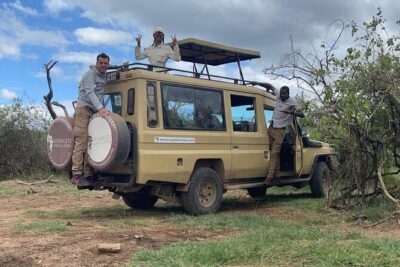

3 Days Tarangire, Ngorongoro & Lake Manyara Group Camping Safari
Read our review →Browse the lists this tour appears in